
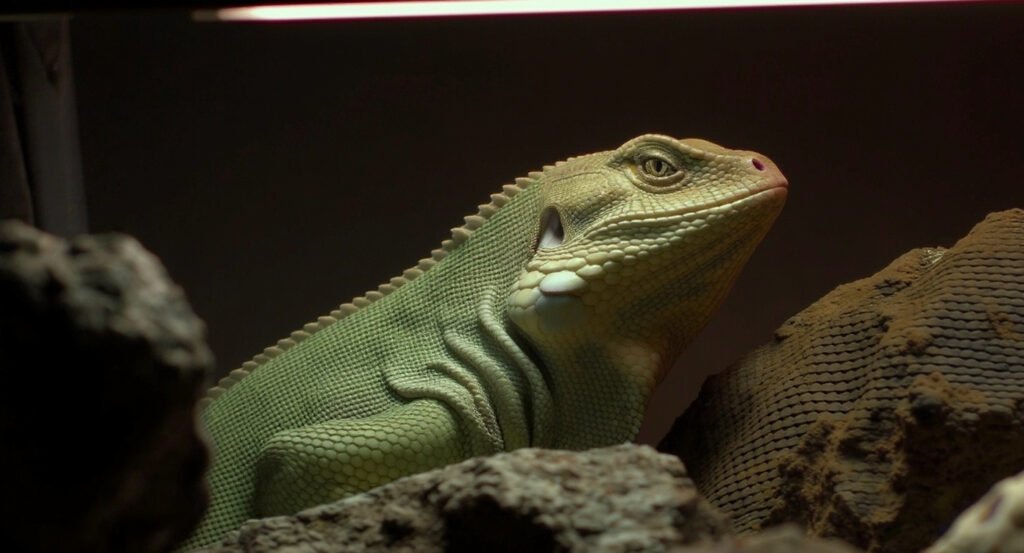
Monitor lizards are fascinating reptiles that have captivated exotic pet enthusiasts for decades. These intelligent, active creatures can make rewarding companions for experienced keepers, but they require significant commitment and proper care. This comprehensive guide will walk you through everything beginners need to know before bringing a monitor lizard into their home.
Understanding Monitor Lizard Species
The monitor lizard family (Varanidae) includes over 80 species, ranging from the small 8-inch Short-tailed Monitor to the massive 10-foot Komodo Dragon. For beginners, certain species are more manageable than others.
Best Beginner-Friendly Species
- Ackie Monitor (Varanus acanthurus): Growing to 24-28 inches, Ackies are the most recommended species for first-time monitor keepers. They’re relatively docile and have manageable space requirements.
- Savannah Monitor (Varanus exanthematicus): Reaching 3-4 feet in length, these monitors are popular but require substantial enclosures and can become obese without proper care.
- Timor Monitor (Varanus timorensis): A smaller species at around 24 inches, making them suitable for keepers with limited space.
Avoid large species like Nile Monitors or Water Monitors as a first monitor lizard—they can exceed 6 feet, require massive enclosures, and may display aggressive behavior.
Setting Up the Perfect Habitat
Monitor lizards need spacious, properly equipped enclosures that accommodate their active nature and specific environmental needs.
Worried About Your Reptile's Health?
Upload a photo and get instant AI health analysis. Catch problems before they become expensive vet bills.
Get Free Health Check →Enclosure Size Requirements
The minimum enclosure size depends on your monitor’s species and size. For an Ackie Monitor, start with at least a 4x2x2 foot enclosure for juveniles, upgrading to 5x3x3 feet or larger for adults. Savannah Monitors require significantly more space—at least 8x4x4 feet for adults. Always remember: bigger is better when it comes to monitor enclosures.
Temperature and Lighting
Monitor lizards are ectothermic and require a proper temperature gradient:
- Basking spot: 120-150°F (species dependent)
- Warm side: 90-95°F
- Cool side: 75-80°F
- Nighttime: 70-75°F
Provide UVB lighting with a 10-12% UVB bulb to support calcium metabolism and overall health. Replace UVB bulbs every 6-12 months as their output diminishes over time.
Substrate and Furnishings
Choose a substrate that holds humidity and allows for natural digging behavior. A mix of organic topsoil, play sand, and excavator clay works well for most species. Provide multiple hiding spots, sturdy branches for climbing, and a large water dish for soaking. Monitor lizards are surprisingly arboreal and appreciate vertical space.
Never Miss Early Warning Signs
AI photo analysis catches subtle health issues humans miss 80% of the time. Early detection = healthier reptile + lower vet bills.
Start Free Trial →Feeding Your Monitor Lizard
Monitor lizards are carnivorous with high metabolisms, requiring a varied diet rich in protein.
Diet Components
- Insects: Dubia roaches, crickets, superworms, and hornworms (appropriately sized)
- Whole prey: Mice, rats, chicks, and quail (once large enough)
- Occasional treats: Hard-boiled eggs, high-quality canned monitor food
Juveniles should be fed daily, while adults can be fed 3-4 times weekly. Always dust insects with calcium powder (with D3 if not using UVB) and a multivitamin supplement weekly. Avoid feeding prey that’s larger than the space between your monitor’s eyes to prevent choking or impaction.
Hydration
Provide fresh water daily in a dish large enough for your monitor to soak in. Many monitors defecate in their water, so be prepared to change it frequently. Maintain humidity levels between 40-60% for most species, adjusting based on specific requirements.
Health Concerns and Veterinary Care
Monitor lizards can live 15-20 years with proper care, making preventative health management essential.
Join thousands of successful reptile owners
Try ReptileCoach Free →Common Health Issues
- Metabolic Bone Disease (MBD): Caused by calcium deficiency or inadequate UVB exposure. Symptoms include lethargy, tremors, and deformed limbs.
- Respiratory Infections: Often resulting from improper temperatures or humidity. Watch for wheezing, mucus, and open-mouth breathing.
- Obesity: Particularly common in Savannah Monitors. Maintain appropriate feeding schedules and ensure adequate exercise space.
- Parasites: Both internal and external parasites are common. Schedule regular fecal exams with a reptile veterinarian.
Find an experienced reptile veterinarian before you need one. Annual check-ups help catch problems early and establish baseline health metrics for your monitor.
Common Beginner Mistakes to Avoid
Many new monitor lizard owners make preventable errors that compromise their pet’s health and wellbeing.
Underestimating Space Requirements
The most common mistake is purchasing an enclosure that’s too small. Monitor lizards are highly active and intelligent animals that need room to explore, climb, and exhibit natural behaviors. Cramped conditions lead to stress, aggression, and health problems.
Inadequate Research on Species
Not all monitors are created equal. A Savannah Monitor has vastly different care requirements than an Ackie Monitor. Research your specific species thoroughly and be honest about whether you can meet their long-term needs.
"This app saved my bearded dragon's life. The AI caught early MBD in photos I thought looked completely normal. Worth every penny!"
— Sarah K., ReptileCoach User
Get Your Free 7-Day Trial →Poor Handling Practices
Monitor lizards have powerful jaws and sharp claws. Start handling sessions when they’re young, keep sessions brief, and always support their entire body. Never grab a monitor by the tail, as they can drop it (though it won’t regenerate like some lizards).
Inconsistent Husbandry
Maintaining proper temperatures, humidity, and lighting schedules requires daily attention. Inconsistent care leads to stress and illness. Track your pet’s care schedule with our free app to ensure you never miss feedings, temperature checks, or maintenance tasks.
Is a Monitor Lizard Right for You?
Before committing to a monitor lizard, honestly assess whether you can provide:
- A large, properly equipped enclosure (with space for upgrades)
- A consistent supply of appropriate food
- Daily husbandry and interaction time
- Access to specialized veterinary care
- A 15-20 year commitment
- Financial resources for ongoing care (food, electricity, vet bills)
Monitor lizards are not beginner reptiles in the traditional sense—they require more commitment than bearded dragons or leopard geckos. However, with proper research, preparation, and dedication, they can be incredibly rewarding pets that form genuine bonds with their keepers.
Worried About Your Reptile's Health?
Upload a photo and get instant AI health analysis. Catch problems before they become expensive vet bills.
Get Free Health Check →Final Thoughts
Monitor lizards represent a significant step up in reptile keeping, but their intelligence, personality, and fascinating behaviors make them worth the effort for the right keeper. Start with a beginner-friendly species like an Ackie Monitor, invest in proper equipment from the start, and commit to continuous learning about your specific monitor’s needs. Join online communities, consult with experienced keepers, and never stop improving your husbandry practices.
With patience, dedication, and proper care, your monitor lizard will thrive and provide years of companionship and wonder.
Ready to Give Your Reptile the Best Care?
Stop guessing and start knowing. Get personalized AI-powered care guidance, photo health analysis, and 24/7 expert advice for YOUR specific reptile.
Get Personalized Care Guidance
AI-powered photo analysis and daily care tracking for YOUR reptile
Try Free for 7 Days →