
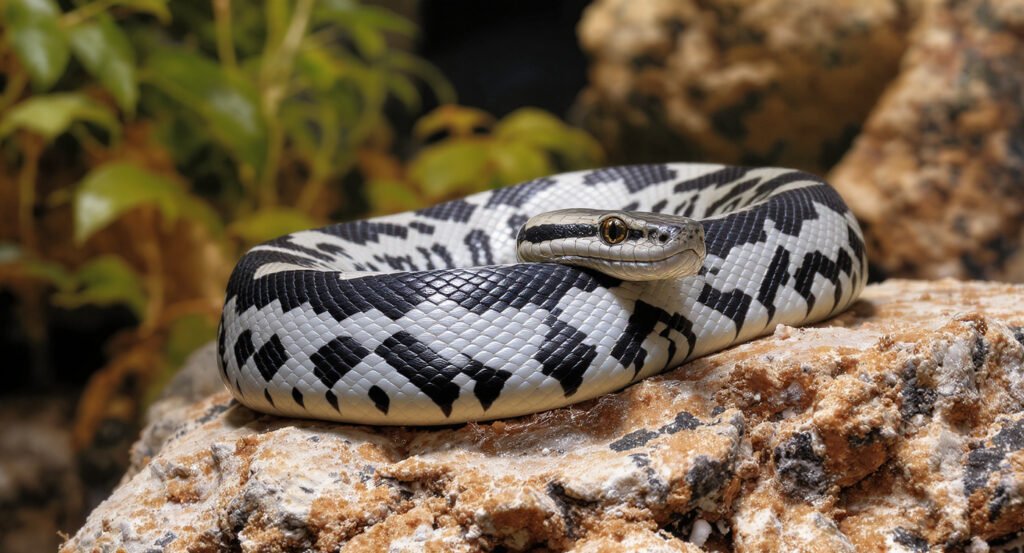
King snakes are among the most popular pet snakes for beginners, and for good reason. These beautiful, docile serpents are hardy, easy to care for, and come in stunning color variations. Whether you’re considering a California kingsnake, Eastern kingsnake, or Mexican black kingsnake, this comprehensive care guide will give you everything you need to successfully keep these remarkable reptiles.
Why King Snakes Make Excellent Beginner Snakes
King snakes have earned their reputation as ideal starter snakes through several key advantages. They tolerate handling well, have straightforward care requirements, and are generally healthy and robust. Unlike some snake species that can be finicky eaters or require precise environmental conditions, king snakes are forgiving and adaptable. They’re also immune to the venom of other snakes, which is how they earned their “king” designation in the wild.
These snakes typically remain manageable in size, rarely exceeding five feet in length, making them suitable for standard enclosures. Their calm temperament means even nervous beginners can build confidence through regular, gentle interaction.
Popular King Snake Species for Pet Owners
California Kingsnake
The California kingsnake is perhaps the most common king snake in the pet trade. These snakes display incredible pattern variation, including banded, striped, and even aberrant color morphs. They typically reach 3 to 4 feet in length and are known for their curious, active personalities. California kingsnakes come in color combinations ranging from classic black and white bands to chocolate brown and cream.
Worried About Your Reptile's Health?
Upload a photo and get instant AI health analysis. Catch problems before they become expensive vet bills.
Get Free Health Check →Eastern Kingsnake
Eastern kingsnakes are slightly larger than their California cousins, often reaching 4 to 5 feet. They feature beautiful chain-link patterns of white or yellow markings on a dark background. These snakes have a reputation for being particularly docile and are excellent for handling, though individual personalities can vary.
Mexican Black Kingsnake
For those who appreciate sleek, solid coloration, the Mexican black kingsnake is stunning. As juveniles, they may show faint banding, but adults develop into glossy, jet-black serpents. They’re typically the most docile of the king snake varieties and remain on the smaller end of the size spectrum at 3 to 4 feet.
King Snake Enclosure Requirements
Proper housing is fundamental to king snake health and happiness. A 20-gallon terrarium is the minimum for juvenile king snakes, but adult snakes require at least a 40-gallon enclosure. Many keepers prefer 4-foot-long enclosures to provide adequate space for these active snakes to explore and exercise.
The enclosure should include several essential elements:
Never Miss Early Warning Signs
AI photo analysis catches subtle health issues humans miss 80% of the time. Early detection = healthier reptile + lower vet bills.
Start Free Trial →- Secure lid: King snakes are notorious escape artists, so a locking screen lid is non-negotiable
- Substrate: Aspen shavings, cypress mulch, or paper towels work well and make cleaning easy
- Hide boxes: Provide at least two hides—one on the warm side and one on the cool side of the enclosure
- Water bowl: A sturdy, tip-proof water dish large enough for soaking
- Climbing branches: Optional but appreciated, especially by younger snakes
Avoid substrates like cedar or pine, which contain oils toxic to reptiles. Similarly, avoid sand, which can cause impaction if ingested during feeding.
Temperature and Humidity Requirements
Creating the proper thermal gradient is critical for king snake digestion and overall health. The warm side of the enclosure should maintain temperatures between 85-90°F, while the cool side should stay around 70-75°F. This gradient allows your snake to thermoregulate by moving between zones.
Use an under-tank heating pad or heat tape controlled by a thermostat to create the warm zone. Never rely on heat rocks, which can cause severe burns. A thermostat prevents overheating and ensures consistent temperatures. Always verify temperatures with a reliable thermometer on both sides of the enclosure.
King snakes tolerate a wide humidity range but do best between 40-60% relative humidity. This moderate humidity supports healthy shedding without creating a damp environment that encourages respiratory infections or scale rot. During shedding periods, you can slightly increase humidity by misting the enclosure or providing a humid hide filled with damp sphagnum moss.
Join thousands of successful reptile owners
Try ReptileCoach Free →Feeding Your King Snake
King snakes are enthusiastic eaters with hearty appetites, which makes feeding straightforward for beginners. These constrictors prey on appropriately sized rodents in captivity.
What to Feed
Mice are the staple diet for most king snakes, though larger adults may graduate to small rats. Always choose prey items no wider than the widest part of your snake’s body. Frozen-thawed rodents are safer and more convenient than live prey, which can injure your snake if left unattended.
Feeding Schedule
Juvenile king snakes (under one year) should be fed every 5-7 days. Adults can be fed every 7-10 days. As snakes mature and their growth rate slows, feeding intervals can extend to every 10-14 days. Adjust portion sizes and frequency based on your snake’s body condition—you should see a slight taper from the body to the tail rather than visible spine or rolls of fat.
After feeding, avoid handling your snake for at least 48 hours to prevent regurgitation. Keep feeding simple and consistent, and most king snakes will be reliable eaters throughout their lives.
"This app saved my bearded dragon's life. The AI caught early MBD in photos I thought looked completely normal. Worth every penny!"
— Sarah K., ReptileCoach User
Get Your Free 7-Day Trial →Handling Tips for Beginners
King snakes generally tolerate handling well once they’re settled into their new environment. Allow your new snake 5-7 days to acclimate before attempting to handle it. This adjustment period reduces stress and allows your snake to feel secure in its new home.
When you’re ready to handle your king snake, approach calmly and confidently. Support the snake’s body, allowing it to move freely through your hands. Sessions of 10-15 minutes several times per week help your snake become accustomed to handling without causing excessive stress.
Young king snakes may be more defensive, occasionally musking (releasing a foul-smelling secretion) or attempting to bite when startled. These behaviors typically diminish with regular, gentle handling. If your snake becomes stressed, return it to its enclosure and try again another day.
Common Health Issues and Prevention
King snakes are generally hardy, but several health issues can arise with improper care:
Worried About Your Reptile's Health?
Upload a photo and get instant AI health analysis. Catch problems before they become expensive vet bills.
Get Free Health Check →- Respiratory infections: Often caused by temperatures that are too low or excessive humidity. Symptoms include wheezing, mucus around the nostrils, and open-mouth breathing
- Scale rot: Results from prolonged exposure to damp substrate. Appears as discolored, softened scales on the belly
- Mites: Tiny external parasites that appear as moving black or red dots. Prevent by quarantining new animals and maintaining clean enclosures
- Inclusion Body Disease (IBD): A serious viral condition more common in boas and pythons but occasionally affecting king snakes
Prevention is always easier than treatment. Maintain proper temperatures, keep the enclosure clean, provide fresh water, and quarantine any new reptiles for at least 60 days before introducing them to established collections. Regular observation helps you catch potential problems early.
Shedding: What to Expect
King snakes shed their skin periodically as they grow. Before shedding, your snake’s colors will appear dull, and its eyes will turn opaque or bluish. During this “blue” phase, vision is impaired, so your snake may be more defensive or refuse food.
A healthy king snake should shed its skin in one complete piece. Incomplete sheds often indicate humidity issues. If your snake experiences stuck shed, particularly around the eyes or tail tip, slightly increase enclosure humidity and provide a humid hide. You can also offer a lukewarm water soak to help loosen stubborn skin.
Juveniles shed more frequently—sometimes every 4-6 weeks—while adults may shed every 2-3 months. Never attempt to pull off shedding skin, as this can damage healthy scales underneath.
Never Miss Early Warning Signs
AI photo analysis catches subtle health issues humans miss 80% of the time. Early detection = healthier reptile + lower vet bills.
Start Free Trial →Lifespan and Long-Term Commitment
With proper care, king snakes regularly live 15-20 years in captivity, with some individuals reaching 25 years or more. This longevity means acquiring a king snake is a significant commitment. Before bringing one home, ensure you’re prepared for decades of care, including the costs of housing, heating, food, and veterinary care.
The long lifespan also means king snakes can be rewarding long-term companions. Many keepers develop strong bonds with their snakes over the years, appreciating their individual personalities and the low-maintenance companionship they provide.
Take Your King Snake Care to the Next Level
Starting your journey with a king snake is exciting, but every reptile is unique. While this guide covers the fundamentals, you may have specific questions about your individual snake’s behavior, feeding patterns, or health concerns. That’s where personalized guidance makes all the difference.
Ready for expert advice tailored to your specific situation? Visit ReptileCoach.com for personalized reptile care recommendations from experienced keepers. Whether you’re troubleshooting a shedding issue, optimizing your enclosure setup, or just want reassurance that you’re on the right track, ReptileCoach provides the customized support every reptile keeper deserves. Give your king snake the best care possible—get started today!
Join thousands of successful reptile owners
Try ReptileCoach Free →Ready to Give Your Reptile the Best Care?
Stop guessing and start knowing. Get personalized AI-powered care guidance, photo health analysis, and 24/7 expert advice for YOUR specific reptile.
Get Personalized Care Guidance
AI-powered photo analysis and daily care tracking for YOUR reptile
Try Free for 7 Days →