
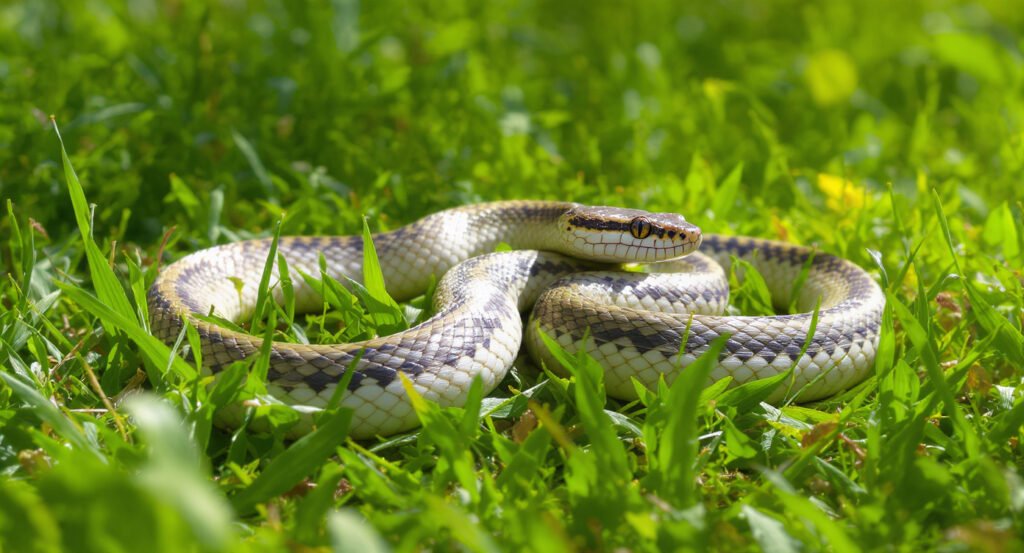
Garter snakes are among the most popular pet snakes for beginners, and for good reason. These docile, low-maintenance reptiles are native to North America and make excellent first snakes for aspiring reptile keepers. Whether you’ve just brought home your first garter snake or you’re considering adding one to your family, this comprehensive care guide will walk you through everything you need to know about housing, feeding, handling, and keeping your garter snake healthy.
Why Garter Snakes Make Great Beginner Pets
Garter snakes (Thamnophis species) are small to medium-sized snakes that typically reach 18-26 inches in length, though some species can grow up to 4 feet. They’re known for their distinctive longitudinal stripes running down their bodies and their generally calm temperament. Unlike some snake species that require specialized care, garter snakes are forgiving of minor husbandry mistakes, making them ideal for those new to reptile keeping.
These snakes are also diurnal, meaning they’re active during the day when you’re most likely to observe and interact with them. Their varied diet and relatively simple housing requirements make them accessible pets that won’t break the bank.
Setting Up the Perfect Garter Snake Enclosure
Choosing the Right Tank Size
A 20-gallon long tank is the minimum size for an adult garter snake, though a 30-40 gallon enclosure is preferable if you have the space. Garter snakes are active and enjoy exploring, so providing adequate floor space is more important than height. Juveniles can start in a 10-gallon tank, but they’ll outgrow it within their first year.
Worried About Your Reptile's Health?
Upload a photo and get instant AI health analysis. Catch problems before they become expensive vet bills.
Get Free Health Check →Always use a secure screen lid with clips or locks. Garter snakes are surprisingly good escape artists and can push through unsecured lids.
Substrate Options
The substrate you choose should maintain humidity while being easy to clean. Good options include:
- Aspen shavings – affordable and absorbent, though avoid if your snake needs higher humidity
- Cypress mulch – excellent for humidity retention and natural appearance
- Paper towels or reptile carpet – easiest to clean and ideal for quarantine or medical monitoring
- Coconut fiber – holds moisture well and allows for natural burrowing behavior
Avoid cedar and pine shavings, as the aromatic oils can cause respiratory problems in reptiles.
Temperature and Lighting Requirements
Garter snakes need a thermal gradient in their enclosure to thermoregulate properly. Create a warm side with temperatures between 80-85°F and a cool side around 70-75°F. Use an under-tank heating pad or heat lamp on one end only, never heating the entire enclosure.
Never Miss Early Warning Signs
AI photo analysis catches subtle health issues humans miss 80% of the time. Early detection = healthier reptile + lower vet bills.
Start Free Trial →A basking spot of 85-88°F is ideal. Monitor temperatures with digital thermometers placed at both ends of the tank. Never rely on dial thermometers, as they’re notoriously inaccurate.
While garter snakes don’t require UVB lighting like some reptiles, providing a low-level UVB bulb (5.0) for 10-12 hours daily can enhance their overall health and natural behaviors. At minimum, maintain a regular day-night cycle with ambient lighting.
Humidity and Water
Maintain humidity levels between 40-60%. During shedding periods, you can increase this to 60-70% by misting the enclosure or providing a humid hide filled with damp sphagnum moss.
Always provide a large, shallow water bowl that your snake can soak in. Garter snakes love water and will often soak before shedding. Change the water daily, as they may defecate in it.
Join thousands of successful reptile owners
Try ReptileCoach Free →Hides and Enrichment
Provide at least two hides – one on the warm side and one on the cool side. Garter snakes are semi-fossorial and appreciate having secure hiding spots. Add branches, rocks, and artificial plants to create a stimulating environment that encourages natural behaviors.
Feeding Your Garter Snake
What Do Garter Snakes Eat?
Garter snakes have diverse diets in the wild, and you can replicate this variety in captivity. The most common food items include:
- Earthworms – an excellent staple food that’s readily accepted
- Nightcrawlers – larger worms for adult snakes
- Small fish (minnows, guppies) – should be gut-loaded and offered occasionally
- Pinky mice – can be offered to larger adults as a nutritional supplement
- Frozen-thawed fish fillets – cut into appropriate sizes
Many keepers feed a combination of earthworms and fish to provide nutritional variety. If feeding fish exclusively, ensure they’re vitamin B1 (thiamine) enriched, as some fish contain thiaminase, an enzyme that destroys this essential vitamin.
Feeding Schedule and Portion Sizes
Juveniles should be fed every 2-3 days, while adults can be fed every 5-7 days. Offer prey items that are roughly the same width as the thickest part of your snake’s body. For worms, this typically means 2-4 earthworms per feeding for juveniles and 4-6 for adults.
"This app saved my bearded dragon's life. The AI caught early MBD in photos I thought looked completely normal. Worth every penny!"
— Sarah K., ReptileCoach User
Get Your Free 7-Day Trial →Feed your snake in the evening when they’re most active. Some keepers prefer feeding in a separate container to prevent substrate ingestion, though this isn’t necessary if you use feeding tongs.
Supplements and Vitamins
Dust prey items with calcium powder once weekly and a reptile multivitamin once every two weeks. This is especially important if you’re feeding primarily worms or fish.
Handling Your Garter Snake Properly
Garter snakes can become quite tame with regular, gentle handling. Wait 48 hours after bringing your snake home before attempting to handle it, allowing time to acclimate. Similarly, wait 24-48 hours after feeding to avoid regurgitation.
To handle your garter snake:
Worried About Your Reptile's Health?
Upload a photo and get instant AI health analysis. Catch problems before they become expensive vet bills.
Get Free Health Check →- Approach slowly and let the snake see your hand
- Gently scoop from underneath, supporting the body
- Never grab from above, as this mimics predator behavior
- Support the body with both hands, allowing the snake to move freely
- Keep handling sessions to 10-15 minutes initially, gradually increasing duration
Young garter snakes may musk when frightened – releasing a foul-smelling substance from their cloaca. This behavior typically decreases with regular, calm handling. If your snake musks, remain calm and gently return it to its enclosure. Wash your hands thoroughly afterward.
Handle your snake 2-3 times per week once acclimated. Regular interaction helps maintain tameness, but over-handling can cause stress.
Common Health Issues and Prevention
Recognizing a Healthy Garter Snake
A healthy garter snake should have:
- Clear, bright eyes (except during shedding)
- Smooth, glossy scales
- A rounded body with visible muscle tone
- Active, alert behavior
- Regular feeding response
- Consistent defecation
Common Health Problems
Respiratory Infections: Signs include wheezing, mucus around the nostrils, and open-mouth breathing. Caused by temperatures that are too low or excessive humidity. Maintain proper temperature gradients and ensure adequate ventilation.
Never Miss Early Warning Signs
AI photo analysis catches subtle health issues humans miss 80% of the time. Early detection = healthier reptile + lower vet bills.
Start Free Trial →Parasites: Both internal and external parasites can affect garter snakes, especially wild-caught specimens. Schedule a fecal exam with a reptile veterinarian within the first month of ownership.
Shedding Problems: Incomplete sheds indicate low humidity. Provide a humid hide and ensure the water bowl is large enough for soaking. Stuck shed around the eyes or tail tip can cause serious problems if not addressed.
Mouth Rot (Stomatitis): Characterized by swelling, redness, or cheese-like discharge in the mouth. Requires veterinary treatment with antibiotics.
Finding a Reptile Veterinarian
Locate an experienced reptile veterinarian before emergencies arise. Not all vets treat exotic animals, so research specialists in your area. Schedule a wellness check within the first month of ownership to establish baseline health.
Join thousands of successful reptile owners
Try ReptileCoach Free →Take Your Snake Care to the Next Level
Managing your garter snake’s care schedule, tracking feeding, monitoring health metrics, and logging husbandry notes can be challenging. That’s where technology can help. ReptileCoach’s app makes it easy to track every aspect of your snake’s care, from feeding schedules to shed cycles, ensuring you never miss important care tasks and can spot health trends early.
Creating a Long-Term Care Routine
Consistency is key to successful garter snake keeping. Establish a regular routine for:
- Daily: Check temperatures, refill water, observe behavior
- Weekly: Feed, spot-clean substrate, check humidity
- Monthly: Deep clean enclosure, check equipment
- Annually: Veterinary wellness exam
Keep a care journal documenting feeding dates, shed cycles, weight measurements, and any behavioral changes. This record becomes invaluable when troubleshooting health issues or discussing concerns with your veterinarian.
Conclusion
Garter snakes are rewarding pets that offer years of enjoyment when provided with proper care. By maintaining appropriate housing conditions, offering a varied diet, handling gently and consistently, and staying vigilant about health, you’ll create an environment where your garter snake can thrive. Remember that every snake has a unique personality – some become incredibly tame while others remain more shy. With patience and consistent care, you’ll develop a rewarding relationship with your scaly companion that can last 10-15 years or more.
"This app saved my bearded dragon's life. The AI caught early MBD in photos I thought looked completely normal. Worth every penny!"
— Sarah K., ReptileCoach User
Get Your Free 7-Day Trial →Start your garter snake keeping journey with confidence, and don’t hesitate to reach out to experienced keepers or reptile veterinarians when questions arise. Welcome to the wonderful world of snake keeping!
Ready to Give Your Reptile the Best Care?
Stop guessing and start knowing. Get personalized AI-powered care guidance, photo health analysis, and 24/7 expert advice for YOUR specific reptile.
Get Personalized Care Guidance
AI-powered photo analysis and daily care tracking for YOUR reptile
Try Free for 7 Days →