
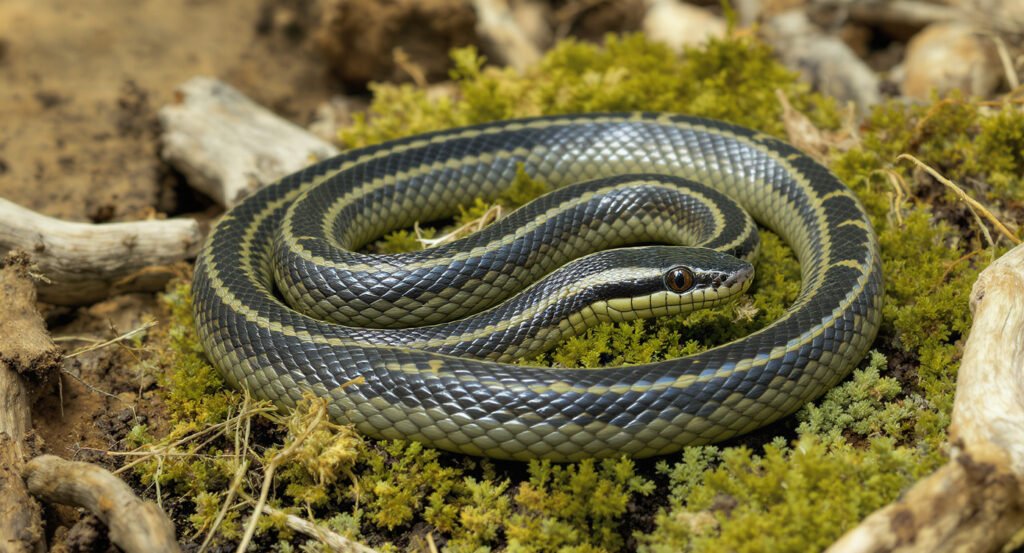
Garter snakes are among the best starter snakes for new reptile keepers. They’re active, personable, hardy, and — unlike many reptiles — relatively tolerant of handling. Whether you’ve just acquired your first garter snake or you’re researching before buying, this complete care guide covers everything you need.
About Garter Snakes
Garter snakes (genus Thamnophis) are native to North America and are the most widely distributed snake on the continent. Common species kept as pets include the common garter snake (T. sirtalis), the ribbon snake (T. sauritus), and the checkered garter snake (T. marcianus). They typically live 6-10 years in captivity, with some reaching 15 years under ideal conditions.
Adults usually reach 18-26 inches in length, though some females can exceed 3 feet. They’re slender, fast-moving snakes with characteristic stripes running the length of their body.
Enclosure Setup
Tank Size
A single adult garter snake is comfortable in a 20-gallon long enclosure (30″ x 12″ x 12″). For pairs or larger females, a 40-gallon breeder (36″ x 18″ x 18″) provides better space. Garter snakes are active and exploratory — bigger is always better when possible.
Worried About Your Reptile's Health?
Upload a photo and get instant AI health analysis. Catch problems before they become expensive vet bills.
Get Free Health Check →Screen lids are essential. Garter snakes are escape artists and will exploit any gap. Secure lids with clips.
Substrate
Good substrate options include:
- Coconut fiber (coco coir): Holds humidity well, looks natural
- Organic topsoil mixed with sand (70/30): Excellent burrowing substrate
- Paper towels or newspaper: Easy to clean, good for monitoring new arrivals
Avoid cedar and pine shavings — the aromatic oils are toxic to snakes.
Hides and Enrichment
Provide at least two hides: one on the warm side and one on the cool side. Cork bark, half logs, and commercial plastic hides all work well. Garter snakes also appreciate climbing branches, fake plants, and a water dish large enough to soak in.
Never Miss Early Warning Signs
AI photo analysis catches subtle health issues humans miss 80% of the time. Early detection = healthier reptile + lower vet bills.
Start Free Trial →Temperature and Lighting
Temperature Gradient
Garter snakes need a thermal gradient to thermoregulate:
- Basking spot: 85-90°F (29-32°C)
- Warm side ambient: 75-80°F (24-27°C)
- Cool side: 65-72°F (18-22°C)
Use an under-tank heater (UTH) with a thermostat, or a low-wattage basking bulb. Always use a thermostat — unregulated heat mats can cause thermal burns.
UVB Lighting
While not strictly required in the same way as for bearded dragons or chameleons, garter snakes benefit from low-level UVB (5.0 or T5 HO 6%) for 10-12 hours daily. UVB supports D3 synthesis and may improve long-term health. A 5.0 linear UVB bulb is ideal.
Feeding Your Garter Snake
Garter snakes are unique among popular pet snakes in that they thrive on a varied diet that doesn’t have to be exclusively mice. Wild garter snakes eat fish, frogs, earthworms, and occasionally small rodents.
Join thousands of successful reptile owners
Try ReptileCoach Free →Recommended Foods
- Earthworms: Excellent staple food, high in protein
- Frozen/thawed fish: Smelt, tilapia strips, or other non-oily freshwater fish
- Frozen/thawed pinky mice: Good protein source for adults
- Commercial garter snake diet: Available from some reptile suppliers
Avoid: Feeder goldfish (contain thiaminase which causes vitamin B1 deficiency), wild-caught prey (risk of parasites), and large prey items that create visible lumps.
Feeding Frequency
- Juveniles (under 6 months): Every 3-4 days
- Sub-adults (6-18 months): Every 5-7 days
- Adults: Every 7-10 days
Dust food occasionally with a calcium supplement (without D3 if using UVB). A multivitamin supplement once or twice monthly supports overall health.
Humidity and Water
Garter snakes do well at 40-60% humidity. They’re more tolerant of humidity variation than tropical species, but shouldn’t be kept bone dry. Provide a water dish large enough to soak in — garter snakes drink regularly and enjoy bathing, especially before shedding.
Mist one side of the enclosure lightly 1-2 times per week if humidity drops below 40%.
"This app saved my bearded dragon's life. The AI caught early MBD in photos I thought looked completely normal. Worth every penny!"
— Sarah K., ReptileCoach User
Get Your Free 7-Day Trial →Handling and Temperament
Newly acquired garter snakes can be nippy and musking (releasing a foul-smelling secretion) is common. With regular, gentle handling of 10-15 minutes daily, most calm down within 2-4 weeks. Some individual snakes remain defensive, but many become quite docile.
Handle your snake at least 2-3 times per week to maintain tameness. Avoid handling for 48 hours after feeding to prevent regurgitation.
Health and Common Issues
- Respiratory infections: Caused by low temperatures or high humidity. Symptoms include wheezing or mucus. See a vet promptly.
- Mites: Tiny black or red dots moving on the snake or in the water dish. Treat with vet-approved miticides.
- Incomplete sheds: Retained eye caps or skin. Increase humidity and provide a humid hide.
- Thiamine deficiency: From eating goldfish. Symptoms include neurological issues. Supplement with B1 if feeding fish.
Is a Garter Snake Right for You?
Garter snakes are ideal if you want an active, interesting snake that tolerates varied foods and handles reasonably well. They’re less hands-off than ball pythons and require more frequent feeding, but their personality and variety of colors make them rewarding pets.
They’re not recommended for keepers who want a snake that rarely moves — garter snakes are constantly exploring and benefit from enriched environments.
Worried About Your Reptile's Health?
Upload a photo and get instant AI health analysis. Catch problems before they become expensive vet bills.
Get Free Health Check →Get Expert Care Guidance
Setting up the perfect garter snake habitat takes research, but you don’t have to figure it out alone.
👉 Try the ReptileCoach App — access personalized care plans, feeding reminders, and expert guidance for your garter snake and all your reptiles. Thousands of reptile owners use ReptileCoach to keep their animals healthy and thriving.
Summary
Garter snakes are active, hardy, and rewarding reptiles that make excellent pets for beginners and experienced keepers alike. Provide a proper temperature gradient, varied diet of worms and fish, moderate humidity, and regular handling. With good husbandry, your garter snake will be a lively, long-lived companion for years to come.
Ready to Give Your Reptile the Best Care?
Stop guessing and start knowing. Get personalized AI-powered care guidance, photo health analysis, and 24/7 expert advice for YOUR specific reptile.
Get Personalized Care Guidance
AI-powered photo analysis and daily care tracking for YOUR reptile
Try Free for 7 Days →