
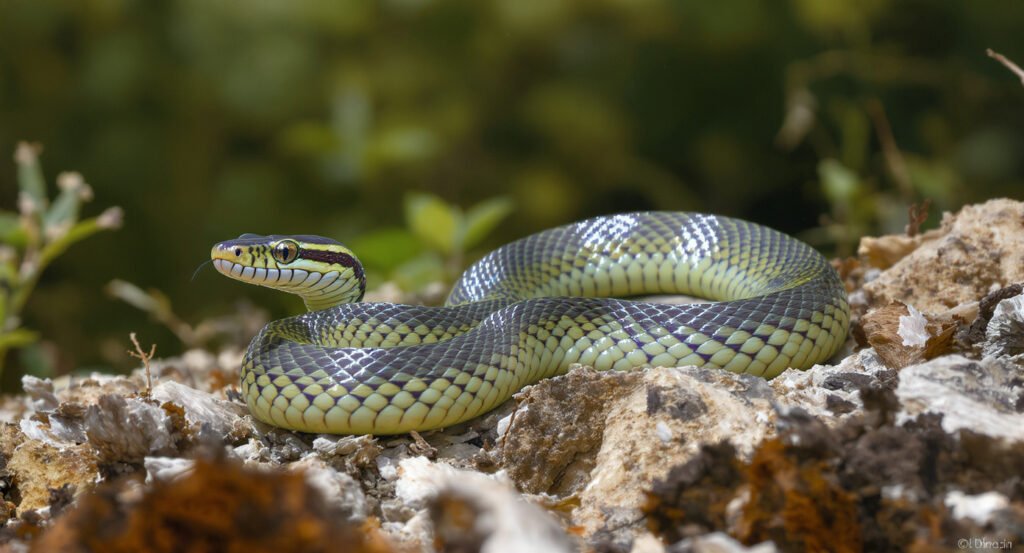
Introduction to Garter Snakes as Pets
Garter snakes are among the most popular and beginner-friendly pet reptiles available today. These small, non-venomous snakes are native to North America and make excellent starter pets for reptile enthusiasts. With their docile temperament, manageable size, and relatively simple care requirements, garter snakes offer an ideal introduction to snake keeping.
Whether you’re a first-time reptile owner or looking to expand your collection, this comprehensive guide will walk you through everything you need to know about garter snake care.
Understanding Garter Snake Species
There are several species of garter snakes commonly kept as pets, including:
- Common Garter Snake (Thamnophis sirtalis) – The most widely available species with vibrant color variations
- Eastern Garter Snake – Hardy and adaptable, perfect for beginners
- California Red-Sided Garter Snake – Known for stunning red coloration
- Checkered Garter Snake – Smaller species with distinctive patterns
Most garter snakes grow to 18-26 inches in length, though some species can reach up to 4 feet. Their lifespan typically ranges from 10-15 years with proper care, making them a long-term commitment.
Worried About Your Reptile's Health?
Upload a photo and get instant AI health analysis. Catch problems before they become expensive vet bills.
Get Free Health Check →Setting Up the Perfect Garter Snake Enclosure
Tank Size and Type
For a single adult garter snake, a 20-gallon long terrarium is the minimum recommended size. Juveniles can start in a 10-gallon tank. These snakes are active and enjoy space to explore, so bigger is always better. Glass terrariums with secure screen tops work best as they allow proper ventilation while preventing escapes.
Temperature and Heating
Garter snakes require a thermal gradient to regulate their body temperature:
- Basking spot: 85-90°F (29-32°C)
- Cool side: 70-75°F (21-24°C)
- Nighttime: Can drop to 65-70°F (18-21°C)
Use an under-tank heating pad or ceramic heat emitter on one side of the enclosure. Always monitor temperatures with digital thermometers on both sides of the tank.
Lighting Requirements
While garter snakes don’t require UVB lighting as strictly as some reptiles, providing a low-level UVB bulb (5.0) for 10-12 hours daily can benefit their overall health and natural behavior patterns. This helps regulate their circadian rhythm and supports vitamin D3 synthesis.
Never Miss Early Warning Signs
AI photo analysis catches subtle health issues humans miss 80% of the time. Early detection = healthier reptile + lower vet bills.
Start Free Trial →Substrate Options
Safe substrate choices include:
- Aspen shavings (most popular and absorbent)
- Cypress mulch (holds humidity well)
- Paper towels (easiest for cleaning and monitoring)
- Reptile carpet (reusable but requires regular washing)
Avoid cedar and pine shavings, as these contain toxic oils that can harm your snake.
Feeding Your Garter Snake
Diet Basics
Garter snakes have diverse diets in the wild, and this should be reflected in captivity. Their primary diet consists of:
- Fish: Silversides, guppies, and minnows (freshwater fish are preferred)
- Earthworms: Nightcrawlers are excellent and nutritious
- Pinkie mice: Occasional supplement for adults
- Leeches: If available, though not necessary
Feeding Schedule
Juvenile garter snakes should be fed every 2-3 days, while adults can be fed every 4-5 days. Offer appropriately sized prey—generally, food items should be no wider than the snake’s head. If you’re tracking your pet’s diet and growth, reptile care tracking apps can help you maintain consistent feeding schedules and monitor your snake’s health over time.
Join thousands of successful reptile owners
Try ReptileCoach Free →Important: Many fish contain thiaminase, an enzyme that breaks down vitamin B1. To prevent deficiency, dust fish with reptile vitamin supplements or alternate with earthworms and mice.
Humidity and Hydration
Garter snakes require moderate humidity levels between 40-60%. Provide a large, shallow water dish that’s big enough for your snake to soak in. They often defecate in their water, so change it daily. Mist the enclosure lightly 2-3 times per week to maintain humidity, especially during shedding periods.
Recognizing Shedding
Signs your garter snake is about to shed include:
- Cloudy, bluish eyes
- Dull, pale skin color
- Decreased appetite
- Increased hiding behavior
Increase humidity slightly during this time and ensure the water dish is full. A proper shed should come off in one complete piece.
"This app saved my bearded dragon's life. The AI caught early MBD in photos I thought looked completely normal. Worth every penny!"
— Sarah K., ReptileCoach User
Get Your Free 7-Day Trial →Handling and Temperament
Garter snakes are generally docile, but they can be nervous when first acquired. Here are handling tips:
- Wait 5-7 days after bringing your snake home before handling
- Start with short 5-10 minute sessions
- Support the snake’s body fully and avoid sudden movements
- Wash hands before and after handling
- Never handle within 48 hours of feeding
Some garter snakes may musk (release a foul-smelling substance) when stressed. This is a defense mechanism that typically decreases with regular, gentle handling.
Common Health Issues and Prevention
Parasites
Wild-caught garter snakes often carry internal parasites. Have a fecal exam performed by a reptile veterinarian shortly after acquisition. Captive-bred specimens are less likely to have this issue.
Respiratory Infections
Symptoms include wheezing, mucus around the mouth, and open-mouth breathing. These typically result from incorrect temperatures or humidity. Seek veterinary care immediately if you notice these signs.
Worried About Your Reptile's Health?
Upload a photo and get instant AI health analysis. Catch problems before they become expensive vet bills.
Get Free Health Check →Thiamine Deficiency
Caused by excessive fish-only diets, this presents as neurological symptoms and weight loss. Vary the diet and supplement with vitamins to prevent this condition.
Enrichment and Mental Stimulation
Even beginner snakes benefit from environmental enrichment:
- Provide multiple hiding spots (at least one on each temperature side)
- Add branches or rocks for climbing and basking
- Rearrange decorations occasionally to provide novelty
- Offer different textures and surfaces
Cost of Garter Snake Ownership
Initial setup costs typically range from $150-300, including:
- Terrarium: $50-100
- Heating equipment: $30-60
- Substrate and decorations: $30-50
- Water dish and hides: $20-40
- The snake itself: $20-100 (depending on species and morph)
Monthly maintenance costs are minimal, usually $15-30 for food and substrate replacement.
Never Miss Early Warning Signs
AI photo analysis catches subtle health issues humans miss 80% of the time. Early detection = healthier reptile + lower vet bills.
Start Free Trial →Final Thoughts on Garter Snake Care
Garter snakes represent an excellent entry point into reptile keeping. Their manageable size, simple care requirements, and engaging personalities make them perfect for beginners while still providing experienced keepers with an rewarding pet. By providing proper housing, nutrition, and regular health monitoring, your garter snake can thrive for over a decade.
Remember that while garter snakes are hardy, they still require commitment and proper care. Research thoroughly, prepare your setup before bringing your snake home, and don’t hesitate to consult with reptile veterinarians when questions arise. With the right approach, garter snake keeping can be an incredibly fulfilling hobby that introduces you to the fascinating world of reptiles.
Ready to Give Your Reptile the Best Care?
Stop guessing and start knowing. Get personalized AI-powered care guidance, photo health analysis, and 24/7 expert advice for YOUR specific reptile.
Get Personalized Care Guidance
AI-powered photo analysis and daily care tracking for YOUR reptile
Try Free for 7 Days →