
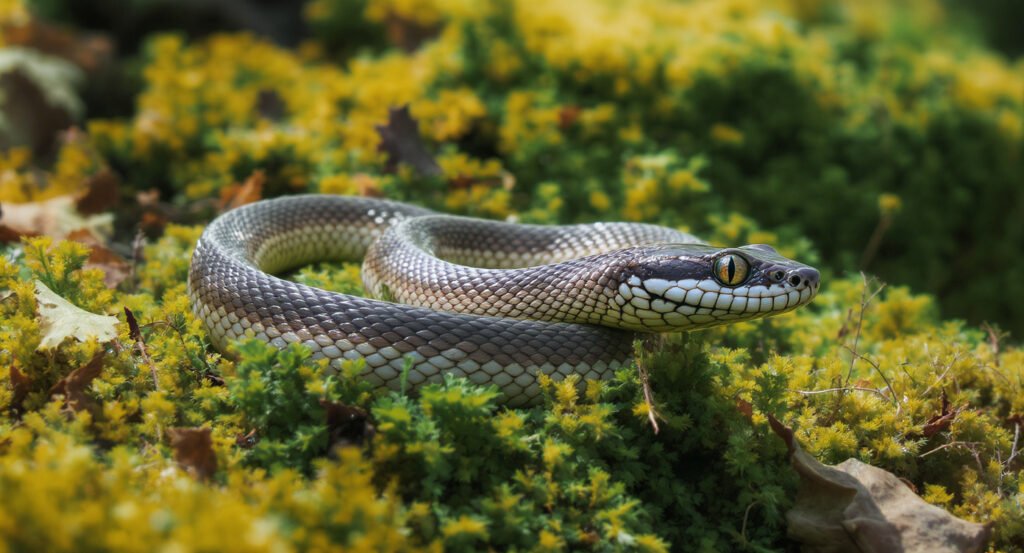
Garter Snake Care: Everything You Need to Know
Garter snakes (Thamnophis spp.) are one of the most popular beginner reptiles in the hobby — and for good reason. They’re small, active, relatively hardy, and can be kept without the same level of specialized equipment that larger constrictors demand. Whether you’ve just brought home your first garter snake or you’re researching before you buy, this guide covers everything you need to provide excellent care.
Choosing a Healthy Garter Snake
Always source your garter snake from a reputable captive breeder rather than wild-catching. Wild-caught snakes are often stressed, parasite-laden, and reluctant to feed on frozen-thawed prey. Captive-bred animals are healthier, calmer, and better adapted to life in an enclosure.
When selecting a snake, look for clear, bright eyes (outside of shed), a rounded body without visible ribs or hip bones, a clean vent with no swelling, and active, alert behavior. Avoid any animal that is limp, gaping, wheezing, or has mucus around the mouth or nostrils.
Enclosure Setup and Size
A single adult garter snake does well in a 20-gallon long terrarium (30″ x 12″ x 12″) at minimum. Larger is always better — a 40-gallon breeder enclosure gives your snake room to explore and thermoregulate properly. Garter snakes are active and curious, so they benefit greatly from enriched environments.
Worried About Your Reptile's Health?
Upload a photo and get instant AI health analysis. Catch problems before they become expensive vet bills.
Get Free Health Check →Key Enclosure Features
- Secure lid: Garter snakes are escape artists. A tight-fitting screen lid with clips is essential.
- Multiple hides: Provide at least one hide on the warm side and one on the cool side so your snake can feel secure at any temperature.
- Water dish: Large enough to soak in — garter snakes enjoy bathing, especially before a shed.
- Climbing opportunities: Branches and cork rounds add enrichment and encourage natural behaviors.
Temperature and Lighting
Garter snakes are ectotherms, meaning they rely on external heat sources to regulate their body temperature. A proper thermal gradient is critical for digestion, immune function, and overall health.
- Warm side (basking spot): 85–90°F (29–32°C)
- Cool side: 70–75°F (21–24°C)
- Nighttime low: No lower than 65°F (18°C)
Use an under-tank heater paired with a thermostat to maintain floor temperatures, and optionally a low-wattage basking bulb for a surface hotspot. A 12-hour light/dark cycle keeps your snake on a natural rhythm. Full-spectrum UVB lighting, while debated for this species, is increasingly recommended as a best practice for long-term health.
Substrate Options
The substrate (bedding) you choose affects humidity, hygiene, and your snake’s comfort. Good choices include:
- Coconut fiber (coco coir): Holds humidity well, easy to spot-clean, and natural-looking.
- Topsoil and play sand mix (70/30): Excellent for burrowing species and maintains moisture.
- Cypress mulch: Resists mold and retains humidity effectively.
Aim for 40–60% ambient humidity inside the enclosure. Mist lightly every few days or as needed to maintain this range, especially during shed cycles.
Never Miss Early Warning Signs
AI photo analysis catches subtle health issues humans miss 80% of the time. Early detection = healthier reptile + lower vet bills.
Start Free Trial →Feeding Your Garter Snake
Garter snakes are opportunistic feeders in the wild, eating earthworms, fish, amphibians, and small rodents. In captivity, a varied diet leads to the healthiest, most robust animals.
Recommended Prey Items
- Nightcrawlers (earthworms): A staple food, rich in protein and moisture — most garters accept these readily.
- Frozen-thawed pinky mice: An excellent protein boost, especially for larger adults.
- Feeder fish (gutloaded): Acceptable occasionally, but avoid goldfish and rosie reds long-term due to thiaminase content.
Feed juveniles every 5–7 days and adults every 7–10 days. Always offer food with tongs and remove any uneaten prey after 30 minutes. Dust prey occasionally with a reptile-specific vitamin/calcium supplement to prevent nutritional deficiencies.
Ready to track your reptile’s health? Try ReptileCoach App free — log feedings, behavior, and vet visits.
Handling and Temperament
Garter snakes are generally alert and fast-moving rather than aggressive, but many will musk (release a foul-smelling secretion) or bite when first handled. Regular, gentle handling sessions of 10–15 minutes, a few times per week, go a long way in taming a defensive animal.
Join thousands of successful reptile owners
Try ReptileCoach Free →Always support your snake’s full body weight when handling. Avoid handling for 48 hours after feeding, during shed, or if your snake appears stressed or ill. Over time, most garter snakes become curious and calm, even actively exploring their keepers’ hands and arms.
Common Health Issues
With proper husbandry, garter snakes are resilient animals. However, watch for these common health concerns:
- Incomplete shed (dysecdysis): Usually caused by low humidity. Soak the snake in lukewarm water for 20 minutes and gently help remove stuck shed.
- Respiratory infections: Symptoms include wheezing, open-mouth breathing, or mucus. Usually tied to cold temperatures or high humidity. See a reptile vet promptly.
- Mites: Tiny black or red specks moving on the snake or in the water dish. Requires treatment with appropriate reptile-safe products and a full enclosure clean.
- Regurgitation: Can result from handling too soon after feeding, prey that’s too large, or internal illness. If it happens more than once, consult a vet.
Final Thoughts
Garter snakes are rewarding pets that punch well above their weight in personality and activity. With the right setup, a varied diet, and consistent gentle handling, your garter snake can thrive for 10 or more years in captivity. Take the time to get your husbandry dialed in from the start, and you’ll be rewarded with a healthy, curious companion for years to come.
Ready to Give Your Reptile the Best Care?
Stop guessing and start knowing. Get personalized AI-powered care guidance, photo health analysis, and 24/7 expert advice for YOUR specific reptile.
Get Personalized Care Guidance
AI-powered photo analysis and daily care tracking for YOUR reptile
Try Free for 7 Days →