If your blue-tongued skink has stopped eating, you’re not alone — this is one of the most common concerns among skink owners. While it can be alarming to watch your pet refuse food, there are many reasons why this happens, and most are completely manageable with the right approach. In this guide, we’ll walk through the most common causes of appetite loss in blue-tongued skinks and give you actionable solutions to get your skink eating again.
Understanding Normal Feeding Behavior
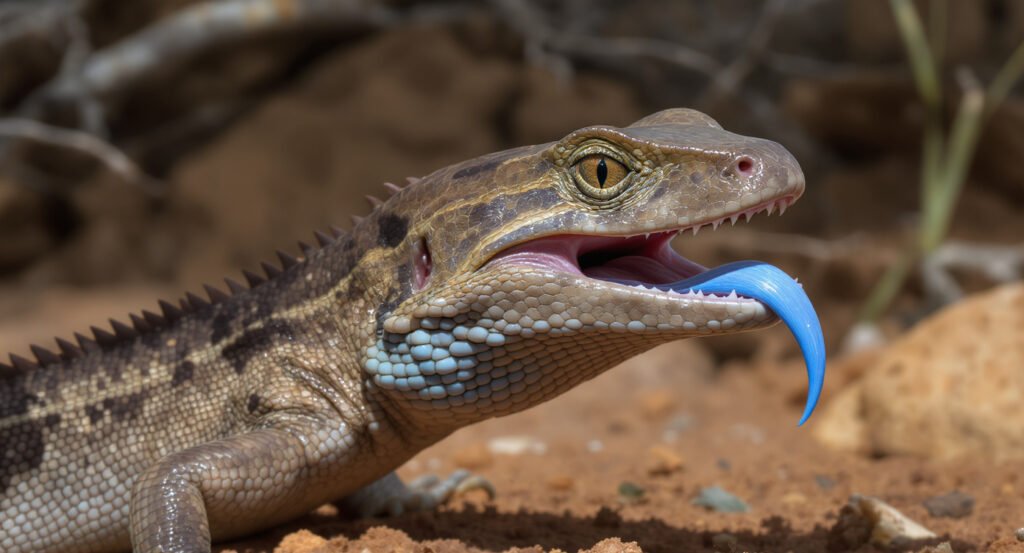
Blue-tongued skinks (Tiliqua spp.) are omnivores that naturally eat every 2–3 days in the wild. In captivity, juvenile skinks typically eat daily or every other day, while adults do well on feedings every 2–3 days. A healthy adult skink may occasionally skip a meal or two without any concern — but a prolonged refusal to eat (more than 1–2 weeks) warrants investigation.
Top Reasons Blue-Tongued Skinks Stop Eating
1. Incorrect Temperatures
Temperature is the number one reason skinks go off feed. Blue-tongued skinks are ectotherms — they rely on external heat sources to digest food properly. If their enclosure is too cool, their metabolism slows and they simply won’t feel hungry.
- Basking spot: 95–105°F (35–40°C)
- Warm side: 80–85°F (27–29°C)
- Cool side: 70–75°F (21–24°C)
- Nighttime: No lower than 65°F (18°C)
Use a digital thermometer with a probe — not a stick-on strip — to get accurate readings. Fix temperature issues before assuming anything else is wrong.
Worried About Your Reptile's Health?
Upload a photo and get instant AI health analysis. Catch problems before they become expensive vet bills.
Get Free Health Check →2. Shedding (Dysecdysis)
Skinks often stop eating before and during a shed. You may notice your skink’s skin becoming dull, eyes turning bluish, or their behavior becoming more reclusive. This is completely normal. Once the shed is complete, appetite typically returns within a few days.
Maintain humidity between 40–60% to support healthy sheds. If your skink is struggling to shed, a warm soak in shallow water for 20–30 minutes can help loosen stuck skin.
3. Seasonal Brumation
In autumn and winter, blue-tongued skinks may enter a period of reduced activity called brumation — similar to hibernation in other animals. During this time, food refusal is normal and expected. Signs include lethargy, spending more time hiding, and disinterest in food.
If this aligns with seasonal changes in your region (or even light cycle changes indoors), allow your skink to brumate naturally. Provide fresh water, reduce feeding attempts, and monitor weight monthly.
Never Miss Early Warning Signs
AI photo analysis catches subtle health issues humans miss 80% of the time. Early detection = healthier reptile + lower vet bills.
Start Free Trial →4. Stress and Environmental Changes
New environments, being handled too frequently, a new tank setup, or even rearranged decor can stress your skink and suppress their appetite. Blue-tongued skinks need time to acclimate to new surroundings — this can take 1–4 weeks.
Tips to reduce stress:
- Limit handling to 10–15 minutes per session during acclimation
- Provide multiple hides (warm side and cool side)
- Keep the enclosure in a low-traffic area
- Avoid sudden loud noises or vibrations near the tank
5. Illness or Parasites
If environmental factors check out and your skink has been refusing food for more than 2–3 weeks, illness may be the cause. Common health issues that suppress appetite include:
- Respiratory infections: Look for wheezing, mucus, or open-mouth breathing
- Parasites: Internal parasites (worms, coccidia) are common in wild-caught specimens
- Metabolic bone disease (MBD): Caused by calcium/UVB deficiency
- Mouth rot (stomatitis): Swelling or discharge around the mouth
If you suspect illness, a fecal exam and wellness check with a reptile-experienced vet is strongly recommended.
Join thousands of successful reptile owners
Try ReptileCoach Free →6. Diet Boredom or Food Rejection
Blue-tongued skinks are intelligent and can become bored with the same food. They may also reject food that is too cold (prey items should be room temperature or slightly warm), too large, or offered at the wrong time of day.
Try rotating proteins and vegetables. Good food options include:
- Cooked chicken or turkey (no seasoning)
- Snails, superworms, or dubia roaches
- Mixed greens (collard, dandelion, mustard greens)
- Squash, green beans, and blueberries
- High-quality dog food (grain-free, no onion/garlic)
Practical Steps to Encourage Eating
- Check and correct temperatures first. This solves the problem in the majority of cases.
- Try a different food item — something smelly and enticing like scrambled eggs or canned snails often works.
- Feed in a separate container to reduce stress and monitor intake.
- Try feeding in the evening — some skinks prefer twilight feeding times.
- Reduce handling for 1–2 weeks and see if appetite returns.
- Weigh your skink weekly — a loss of more than 10% body weight warrants a vet visit.
When to See a Vet
While many cases of food refusal resolve on their own, visit a reptile vet if your skink:
- Hasn’t eaten for more than 3–4 weeks
- Is losing weight rapidly
- Shows signs of physical illness (discharge, swelling, lethargy beyond brumation)
- Has recently been imported or was wild-caught
Track and Optimize Your Skink’s Care
Keeping detailed records of your skink’s feeding history, weight, and behavior patterns is one of the best things you can do as a reptile owner. Small changes in routine often reveal the root cause of appetite issues.
"This app saved my bearded dragon's life. The AI caught early MBD in photos I thought looked completely normal. Worth every penny!"
— Sarah K., ReptileCoach User
Get Your Free 7-Day Trial →Want a smarter way to track your reptile’s health? Try the ReptileCoach app — a free tool designed to help you log feedings, monitor growth, set care reminders, and get personalized guidance for your blue-tongued skink and other reptile pets.
Final Thoughts
A blue-tongued skink not eating is stressful, but it’s rarely cause for immediate panic. In most cases, the fix is as simple as adjusting the basking temperature, giving your skink time to acclimate, or waiting out a natural shed or brumation period. By systematically working through the possible causes in this guide, you’ll be well-equipped to identify the issue and get your skink back on track.
Stay patient, observe closely, and don’t hesitate to reach out to a reptile vet if things don’t improve within a few weeks.
Ready to Give Your Reptile the Best Care?
Stop guessing and start knowing. Get personalized AI-powered care guidance, photo health analysis, and 24/7 expert advice for YOUR specific reptile.
Get Personalized Care Guidance
AI-powered photo analysis and daily care tracking for YOUR reptile
Try Free for 7 Days →