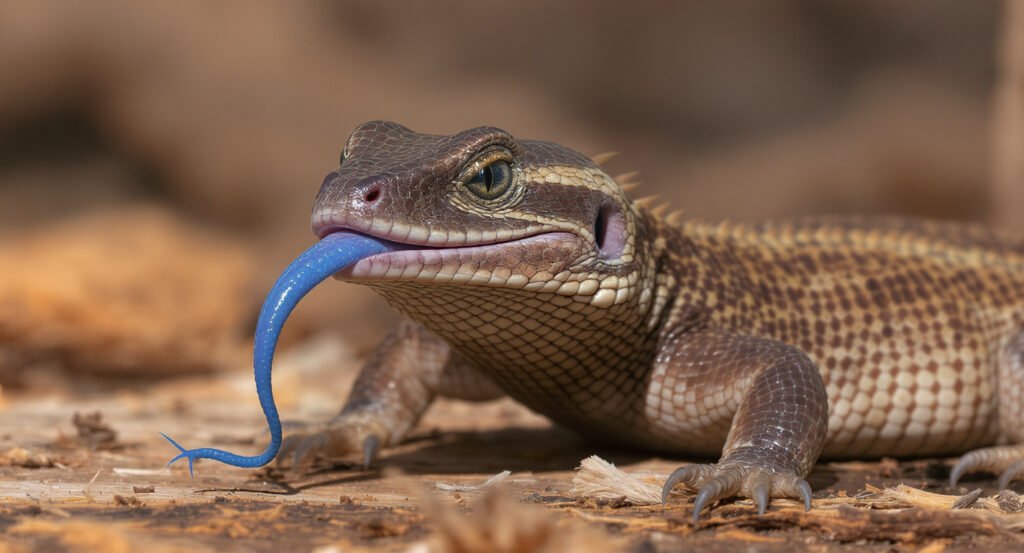
Why Is My Blue-Tongued Skink Not Eating?
One of the most common concerns among blue-tongued skink owners is a sudden or prolonged refusal to eat. Before you panic, know that this is a relatively common issue — and in most cases, completely fixable. Understanding the root cause is the first step toward getting your skink back on a healthy feeding schedule.
Top Reasons Blue-Tongued Skinks Stop Eating
1. Improper Temperature Gradients
Blue-tongued skinks are ectotherms, meaning they rely entirely on external heat sources to regulate their body temperature and digestion. If your enclosure doesn’t offer a proper thermal gradient — a warm basking spot between 95°F–105°F (35°C–40°C) and a cool side around 75°F–80°F (24°C–27°C) — your skink simply won’t be able to digest food properly. Without adequate heat, even a hungry skink may refuse meals.
Fix: Use a digital thermometer with probes to verify temperatures at both ends of the enclosure. Adjust your basking lamp wattage or positioning as needed.
2. Shedding (Dysecdysis)
It’s completely normal for blue-tongued skinks to stop eating before, during, and shortly after a shed cycle. Their eyes may appear bluish or cloudy, and their skin often looks dull. During this time, their digestive activity slows significantly.
Worried About Your Reptile's Health?
Upload a photo and get instant AI health analysis. Catch problems before they become expensive vet bills.
Get Free Health Check →Fix: Increase humidity slightly to support the shed (around 40–60%). Offer a humid hide. Resume feeding 3–5 days after the shed is complete.
3. Seasonal Brumation
Wild blue-tongued skinks in Australia experience a winter slowdown. Even captive-bred individuals may exhibit brumation-like behavior during cooler months, reducing or stopping food intake from late fall through early spring.
Fix: If your skink is otherwise healthy and active, simply reduce feeding frequency and monitor weight. A loss of more than 10–15% body weight warrants veterinary attention.
4. Stress and Environmental Changes
Skinks are highly sensitive to changes in their environment. Moving to a new enclosure, rearranging décor, changes in lighting schedules, or frequent handling can all trigger a feeding strike.
Never Miss Early Warning Signs
AI photo analysis catches subtle health issues humans miss 80% of the time. Early detection = healthier reptile + lower vet bills.
Start Free Trial →Fix: Give your skink at least 2 weeks of minimal handling to adjust after any change. Keep a consistent day/night lighting cycle using a timer.
5. Wrong Food or Food Preferences
Blue-tongued skinks are omnivores and can be picky. Some individuals refuse certain proteins (like dog food brands) or strongly prefer fruits and vegetables — or vice versa. Offering the same food repeatedly can also lead to boredom.
Fix: Rotate between proteins (lean ground turkey, chicken, high-quality dog food), vegetables (squash, collard greens, green beans), and occasional fruits. Aim for a 50% vegetable, 40% protein, 10% fruit diet ratio.
6. Illness or Parasites
Internal parasites, respiratory infections, mouth rot, and metabolic bone disease can all suppress appetite in blue-tongued skinks. Signs to watch for include lethargy, weight loss, mucus around the mouth, labored breathing, or visible parasites in feces.
Join thousands of successful reptile owners
Try ReptileCoach Free →Fix: If you suspect illness, consult a reptile-experienced veterinarian. A fecal exam can detect internal parasites, and a full exam can rule out other conditions.
How Long Can a Blue-Tongued Skink Go Without Eating?
A healthy adult blue-tongued skink can go several weeks to even a few months without eating, especially during brumation. Juveniles, however, need more frequent meals and should not go more than 1–2 weeks without eating before you investigate the cause.
When to See a Vet
Seek veterinary care if your skink:
- Has not eaten for more than 4–6 weeks without a clear cause
- Is losing significant weight
- Shows physical symptoms like swelling, discharge, or lethargy
- Is a juvenile that has stopped eating for more than 2 weeks
Feeding Tips to Encourage Eating
- Feed in the morning after the enclosure has warmed up
- Remove uneaten food after 20–30 minutes to prevent stress
- Try scenting vegetables with a bit of chicken broth
- Offer prey items live if your skink has a strong prey drive
- Avoid overhandling around feeding time
Track Your Skink’s Health with ReptileCoach
Monitoring feeding patterns, weight, and behavior over time is one of the best ways to catch problems early. ReptileCoach’s free app lets you log feedings, track your skink’s weight, and get personalized reminders — so you never miss a feeding or health check again. Try it free today.
"This app saved my bearded dragon's life. The AI caught early MBD in photos I thought looked completely normal. Worth every penny!"
— Sarah K., ReptileCoach User
Get Your Free 7-Day Trial →Final Thoughts
A blue-tongued skink that stops eating is often sending you a signal about its environment or health. By systematically checking temperature, humidity, stress levels, and food variety, most feeding strikes can be resolved without veterinary intervention. Stay observant, be patient, and don’t hesitate to seek professional help when needed.
Ready to Give Your Reptile the Best Care?
Stop guessing and start knowing. Get personalized AI-powered care guidance, photo health analysis, and 24/7 expert advice for YOUR specific reptile.
Get Personalized Care Guidance
AI-powered photo analysis and daily care tracking for YOUR reptile
Try Free for 7 Days →