
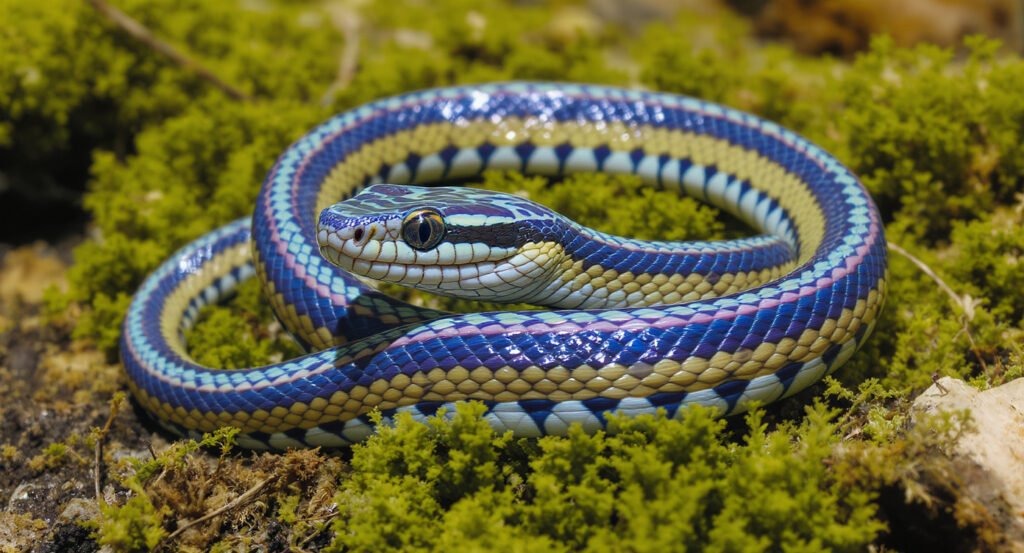
Introduction to Garter Snakes as Pets
Garter snakes (genus Thamnophis) are one of the most popular beginner snake species in North America — and for good reason. They’re small, active, hardy, and widely available as captive-bred animals. Whether you’re a first-time reptile keeper or an experienced hobbyist, garter snakes offer a rewarding and low-maintenance pet experience.
Choosing Your Garter Snake
There are dozens of garter snake species and subspecies, but the most commonly kept include:
- Common Garter Snake (Thamnophis sirtalis) — most widespread, many color morphs available
- Western Ribbon Snake (T. proximus) — slender, semi-aquatic, striking coloration
- Plains Garter Snake (T. radix) — hardy, tolerant of cooler temps
- Checkered Garter Snake (T. marcianus) — bold pattern, docile temperament
Always purchase captive-bred animals from reputable breeders. Wild-caught garter snakes are often stressed, parasite-laden, and difficult to acclimate to captivity.
Enclosure Setup
Size
A single adult garter snake does well in a 20-gallon long enclosure (30″×12″×12″). Larger snakes or pairs benefit from a 40-gallon breeder tank. Garter snakes are active and love to explore, so more space is always better.
Worried About Your Reptile's Health?
Upload a photo and get instant AI health analysis. Catch problems before they become expensive vet bills.
Get Free Health Check →Substrate
Use a moisture-retaining substrate to support humidity needs:
- Coconut fiber (coco coir)
- Topsoil/sand mix (60/40)
- Reptile bark blend
Avoid cedar and pine shavings, which are toxic to snakes.
Hides and Enrichment
Provide at least two hides — one on the warm side, one on the cool side. Garter snakes also appreciate:
- Cork bark tubes and flat pieces
- Live or artificial plants for cover
- Branches for climbing
- A water dish large enough for soaking
Temperature and Lighting
Garter snakes thrive with a thermal gradient:
Never Miss Early Warning Signs
AI photo analysis catches subtle health issues humans miss 80% of the time. Early detection = healthier reptile + lower vet bills.
Start Free Trial →- Basking spot: 85°F–90°F (29°C–32°C)
- Cool side: 70°F–75°F (21°C–24°C)
- Ambient temperature: Should not drop below 65°F (18°C) at night
Use a low-wattage basking bulb or ceramic heat emitter. A 12-hour light/dark cycle mimics natural conditions and supports healthy behavior.
Humidity
Garter snakes prefer moderate humidity between 40–70%. Semi-aquatic species like the ribbon snake may need higher levels. Mist one side of the enclosure lightly every 2–3 days, and always provide a full water dish.
Feeding Garter Snakes
Garter snakes are unique among commonly kept snakes because they are not exclusive rodent eaters. Their natural diet includes:
- Fish (frozen/thawed silversides, tilapia, or trout)
- Earthworms
- Mice (pinkies to fuzzy size for adults)
- Amphibians (not recommended due to toxicity risks in some species)
Feeding schedule:
Join thousands of successful reptile owners
Try ReptileCoach Free →- Juveniles: Every 4–5 days
- Adults: Every 7–10 days
Use feeding tongs to avoid training your snake to associate your hand with food. Always offer thawed frozen prey rather than live animals.
Thiaminase Warning
Many fish contain thiaminase, an enzyme that destroys vitamin B1 (thiamine) and can cause neurological issues over time. To prevent deficiency, dust fish meals with a thiamine supplement every 2–3 feedings, or rotate fish with earthworms and mice.
Handling and Temperament
Captive-bred garter snakes are generally calm and curious. They may musk (release a foul-smelling secretion) or bite when first acquired, but most tame down quickly with consistent, gentle handling.
Tips for handling:
"This app saved my bearded dragon's life. The AI caught early MBD in photos I thought looked completely normal. Worth every penny!"
— Sarah K., ReptileCoach User
Get Your Free 7-Day Trial →- Wait 48 hours after feeding before handling
- Handle for 10–15 minutes, 3–4 times per week
- Support the body fully; avoid grabbing near the head
- Watch for signs of stress: freezing, repeated musking, or attempting to flee
Health and Common Issues
- Respiratory infections: Caused by low temperatures or high humidity. Symptoms: wheezing, mucus, open-mouth breathing.
- Mites: Tiny black dots moving on skin or in water dish. Treat with reptile-safe mite spray and clean the enclosure thoroughly.
- Thiamine deficiency: Neurological symptoms like head wobbling or inability to right itself. Add thiamine supplementation immediately and consult a vet.
- Retained shed: Increase humidity and offer a wet paper towel hide to help. Never pull shed manually.
Track Your Garter Snake’s Care with ReptileCoach
Keeping detailed records of feeding, shedding, and health observations is essential for any reptile keeper. ReptileCoach’s free app makes it easy to log every feeding, monitor weight trends, and set reminders for habitat maintenance. Sign up free and start tracking today.
Final Thoughts
Garter snakes are an excellent choice for beginners and experienced keepers alike. With the right setup, a varied diet, and consistent handling, these charismatic little snakes can thrive in captivity for 10+ years. Do your research, source captive-bred animals, and enjoy one of the hobby’s most rewarding species.
Ready to Give Your Reptile the Best Care?
Stop guessing and start knowing. Get personalized AI-powered care guidance, photo health analysis, and 24/7 expert advice for YOUR specific reptile.
Get Personalized Care Guidance
AI-powered photo analysis and daily care tracking for YOUR reptile
Try Free for 7 Days →