
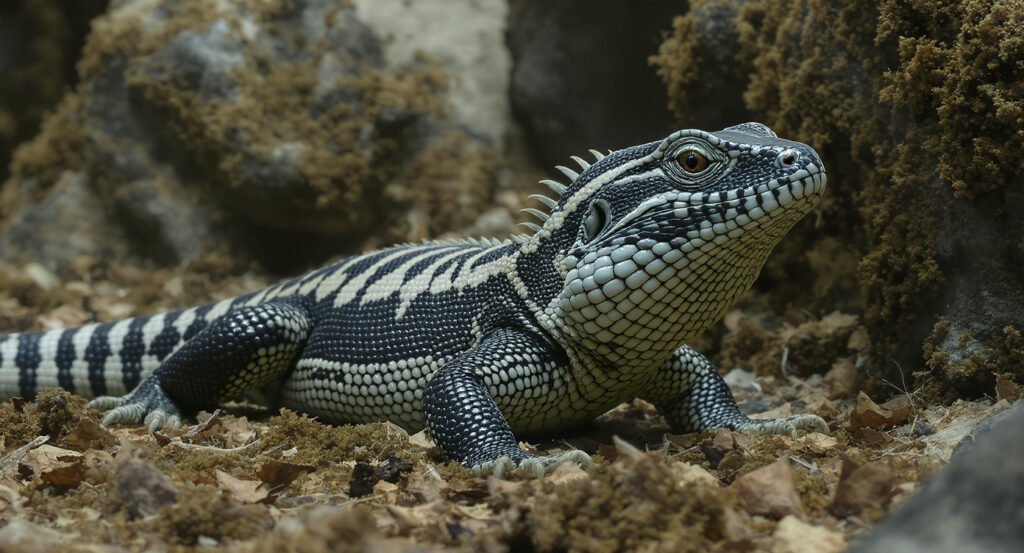
Argentine Black and White Tegu: The Ultimate Beginner’s Care Guide
The Argentine black and white tegu (Salvator merianae) is one of the most rewarding reptiles you can own. Known for their dog-like intelligence, affectionate personalities, and impressive size, tegus have quickly become a favorite among reptile enthusiasts. If you’re thinking about adding one of these magnificent lizards to your family, this care guide will walk you through everything you need to know to get started on the right foot.
Understanding the Argentine Black and White Tegu
Before diving into husbandry specifics, it helps to understand what makes tegus unique. Native to South America, Argentine tegus are large monitor-like lizards that can grow between 3 and 5 feet in length, with some males reaching up to 6 feet. They are highly intelligent, can recognize their owners, and with proper socialization, become extremely tame and handleable. Tegus are also one of the few reptiles known to exhibit semi-endothermy — meaning they can partially regulate their own body temperature.
Enclosure Setup: Space Matters
Tegus are active, curious animals that need plenty of room to roam. Providing the right enclosure is crucial to their health and happiness.
- Juvenile tegus (under 12 inches): A 4x2x2 foot enclosure works well to start.
- Adult tegus: A minimum of 8x4x4 feet is recommended, though larger is always better.
- Material: PVC or wood enclosures retain heat and humidity better than glass terrariums.
- Security: Tegus are escape artists — ensure all doors and lids lock securely.
Many experienced keepers allow adult tegus to free-roam a tegu-proofed room or dedicated space in the house, which supports mental enrichment and physical exercise.
Worried About Your Reptile's Health?
Upload a photo and get instant AI health analysis. Catch problems before they become expensive vet bills.
Get Free Health Check →Temperature and Lighting Requirements
Like all reptiles, tegus are ectothermic and depend on external heat sources to regulate their body temperature. Maintaining a proper temperature gradient is essential.
- Basking spot: 100–110°F (38–43°C)
- Cool side: 80–85°F (27–29°C)
- Ambient temperature: 82–88°F (28–31°C)
- Nighttime drop: No lower than 70°F (21°C)
Use a high-wattage basking bulb or ceramic heat emitter to achieve proper temperatures. Always use digital thermometers or temperature guns — never analog dial thermometers, which are inaccurate.
UVB Lighting
While tegus can survive without UVB, research increasingly supports the benefits of providing quality UVB lighting. A T5 HO 10.0 UVB bulb spanning at least two-thirds of the enclosure is ideal. Maintain a 12-hour light/dark cycle to support natural circadian rhythms.
Humidity and Substrate
Argentine tegus thrive in moderate humidity levels between 60–80%. Proper humidity helps with shedding and overall health. The best substrates for humidity retention include:
Never Miss Early Warning Signs
AI photo analysis catches subtle health issues humans miss 80% of the time. Early detection = healthier reptile + lower vet bills.
Start Free Trial →- A mix of topsoil and play sand (60/40 ratio)
- Organic topsoil alone
- Coconut coir blended with topsoil
Substrate depth should be at least 12 inches to allow for burrowing behavior — tegus love to dig, and this is a critical part of their natural enrichment. Mist the enclosure daily or use an automatic misting system to maintain humidity levels.
Diet and Nutrition
Tegus are omnivores with a hearty appetite. A varied, balanced diet is key to keeping them healthy throughout their lives.
Proteins (about 70% of diet):
- Whole prey items: mice, rats, chicks, quail
- Raw lean meats: ground turkey, chicken hearts, beef
- Eggs (raw or cooked)
- Insects: dubia roaches, superworms, crickets
Fruits and Vegetables (about 30% of diet):
- Leafy greens: collard greens, mustard greens, turnip greens
- Squash, bell peppers, carrots
- Fruits (in moderation): berries, mango, papaya
Juvenile tegus should be fed daily, while adults can be fed every other day. Always dust food with calcium and D3 supplements 2–3 times per week to prevent metabolic bone disease. Avoid processed meats, dog food, or foods high in fat and sodium.
Taming and Handling
One of the most rewarding aspects of tegu ownership is their potential to become truly tame companions. Consistency and patience are everything when building trust with your tegu.
Join thousands of successful reptile owners
Try ReptileCoach Free →- Start handling sessions short — 10 to 15 minutes — and gradually increase duration.
- Handle your tegu daily to build familiarity and reduce stress responses.
- Never grab from above, as this mimics predator behavior. Approach from the side.
- Support the full body during handling to make your tegu feel secure.
- Avoid handling for 48 hours after feeding to prevent regurgitation.
Young tegus can be nippy and defensive, but with consistent gentle handling, most become docile and even seek out human interaction within a few months.
Health Considerations
Keeping your tegu healthy starts with proper husbandry, but there are some common health issues to be aware of:
- Metabolic Bone Disease (MBD): Caused by calcium/D3 deficiency — preventable with proper supplementation and UVB.
- Respiratory infections: Often a result of inadequate temperatures or high humidity without proper ventilation.
- Parasites: Internal and external parasites can affect wild-caught tegus. Always have a new tegu checked by a reptile-savvy vet.
- Obesity: Tegus have big appetites — monitor weight and avoid overfeeding high-fat foods.
Find a reptile-experienced veterinarian before bringing your tegu home and schedule an initial wellness exam as soon as possible.
Brumation: Winter Slowdown
Argentine tegus naturally brumate (hibernate-like state) during cooler months, typically between October and March in captivity. During brumation, they eat little to nothing and sleep for extended periods. This is completely normal. Reduce feeding, maintain ambient temperatures, and allow your tegu to sleep undisturbed. Fresh water should always be available.
"This app saved my bearded dragon's life. The AI caught early MBD in photos I thought looked completely normal. Worth every penny!"
— Sarah K., ReptileCoach User
Get Your Free 7-Day Trial →Is an Argentine Tegu Right for You?
Argentine black and white tegus make incredible pets for those willing to invest the time, space, and resources required. They are not low-maintenance animals, but the bond you build with a well-socialized tegu is unlike almost any other reptile experience. With proper care, they can live 15–20 years in captivity.
Ready to give your reptile the best care? Try ReptileCoach free — your AI reptile care companion.
Final Thoughts
Whether you’re drawn to tegus for their intelligence, their striking appearance, or their friendly temperament, you’re in for an incredible journey. Start with the right setup, feed a balanced diet, handle them consistently, and connect with a knowledgeable vet. Your Argentine black and white tegu will reward your dedication many times over.
Ready to Give Your Reptile the Best Care?
Stop guessing and start knowing. Get personalized AI-powered care guidance, photo health analysis, and 24/7 expert advice for YOUR specific reptile.
Get Personalized Care Guidance
AI-powered photo analysis and daily care tracking for YOUR reptile
Try Free for 7 Days →