ReptileCoach

AI-powered reptile care assistant helping reptile owners provide the best care for their pets.

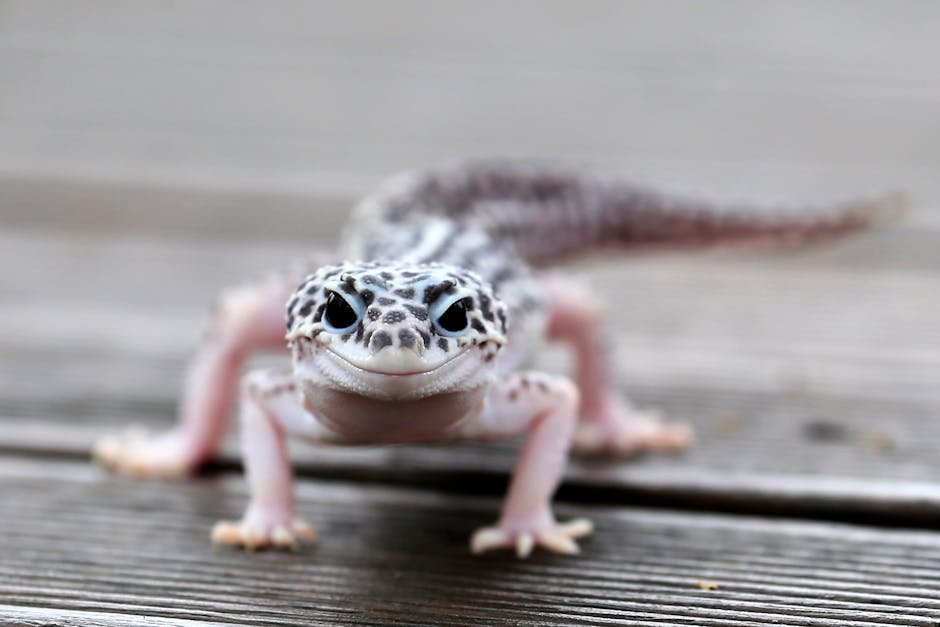
Detailed image of a spotted leopard gecko on a wooden surface, showcasing its unique patterns.

Leopard Gecko Tail Injuries: Adoption & Recovery Care Guide

Adopting a leopard gecko with a missing or injured tail isn’t just about giving a second chance—it’s a commitment to specialized care during their most vulnerable time. While a regrown tail might look lumpy or bumpy compared to the original, it’s often a visible sign of past trauma that requires immediate attention. These reptiles store […]

Leopard Gecko Tail Injuries: Adoption & Recovery Care Guide Read More »
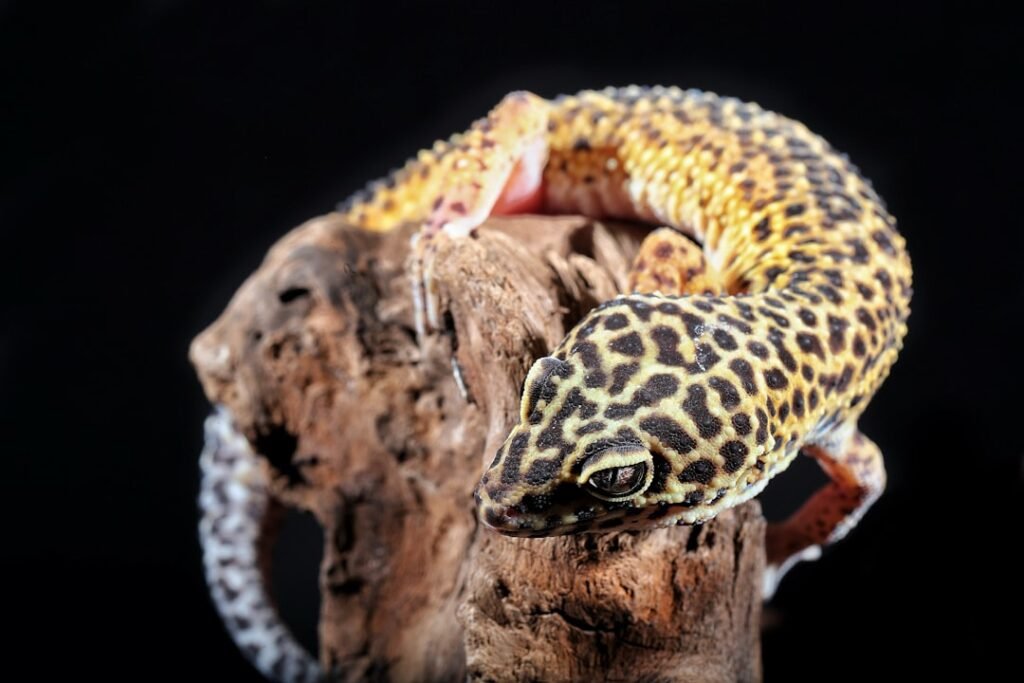
a leopard gecko sitting on top of a tree branch

Tokay Gecko: Defensive Postures vs Illness — How to Tell

As a Tokay gecko owner, you’ve probably felt that heart-pounding moment when your vibrant pet suddenly freezes, opens its mouth wide, and lets out that iconic “tokay!” bark. Your first thought might be panic: “Is it hurt? Sick? Why is it acting so strangely?” Conversely, you might worry when your usually feisty gecko seems unusually

Tokay Gecko: Defensive Postures vs Illness — How to Tell Read More »

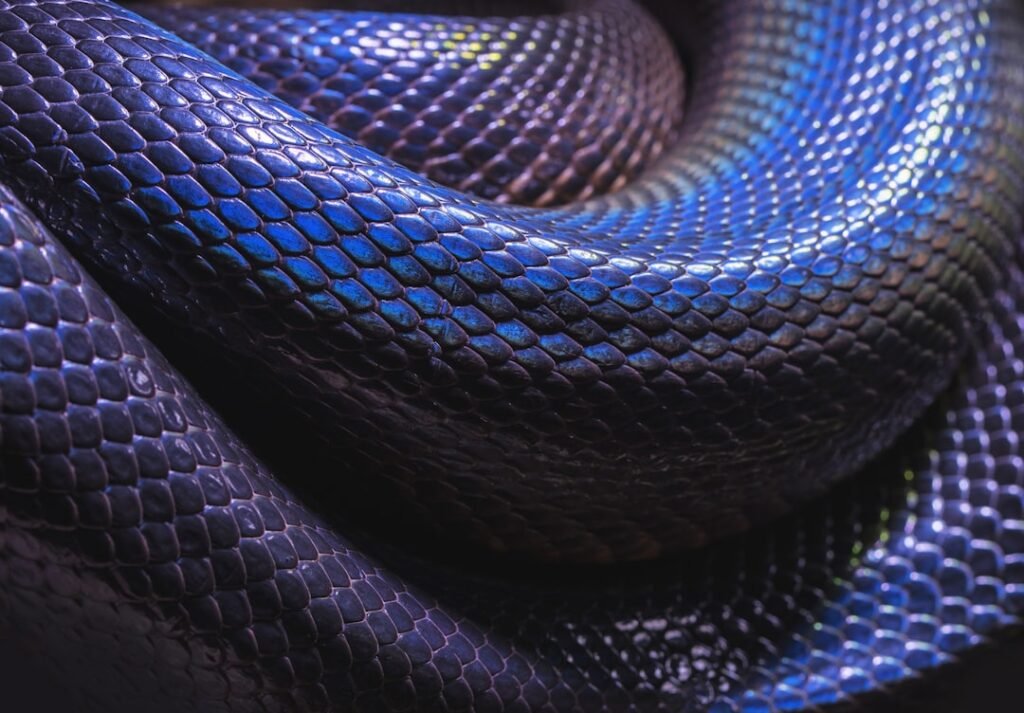
black snake closeup photo

Hognose Snake Breeding: Mastering Body Condition Scores Safely

Bringing new life into the world is one of the most rewarding experiences for any hognose snake keeper, but it comes with serious responsibility. Getting your snakes ready for breeding isn’t just about throwing a male and female together—it’s about ensuring your scaly friends are truly prepared for the physical demands of reproduction. An underweight

Hognose Snake Breeding: Mastering Body Condition Scores Safely Read More »

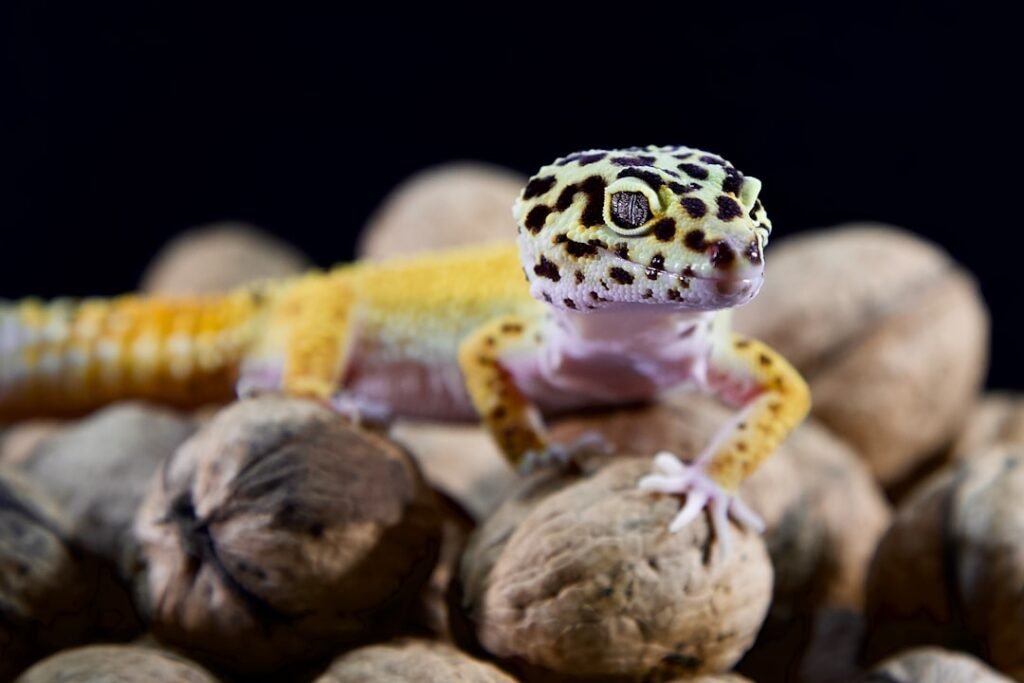
a leopard gecko sitting on top of nuts

Fat-Tailed Gecko UVB Testing: Why a Meter is Non-Negotiable

Imagine meticulously setting up your African fat-tailed gecko’s enclosure with the perfect heat lamp, cozy hide, and top-rated UVB bulb—only to discover months later that your pet is developing metabolic bone disease. Shocking, right? This scenario happens more often than you’d think, and it’s entirely preventable. While many reptile keepers follow care guides to the

Fat-Tailed Gecko UVB Testing: Why a Meter is Non-Negotiable Read More »

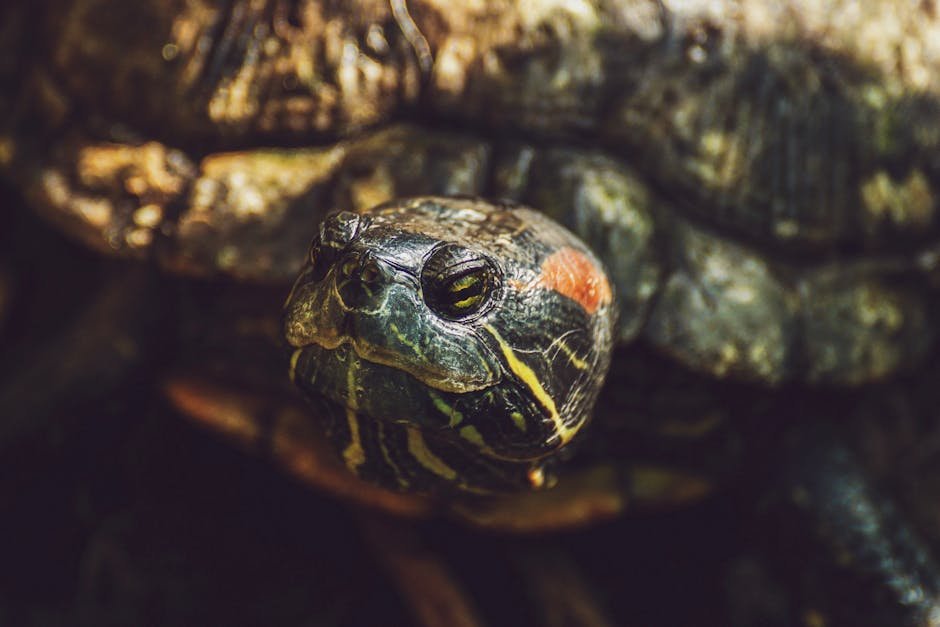
Detailed close-up of a red-eared slider turtle showcasing its distinctive markings and textures.

Red-Eared Slider Digging Holes: Nesting, Brumation & When to Worry

Have you ever walked past your red-eared slider’s enclosure only to find them frantically digging with their hind legs? Or perhaps you’ve noticed your turtle buried halfway under the substrate, looking completely absorbed in their excavation project. It’s a common sight that leaves many turtle owners puzzled and concerned. Is this normal? Should you be

Red-Eared Slider Digging Holes: Nesting, Brumation & When to Worry Read More »

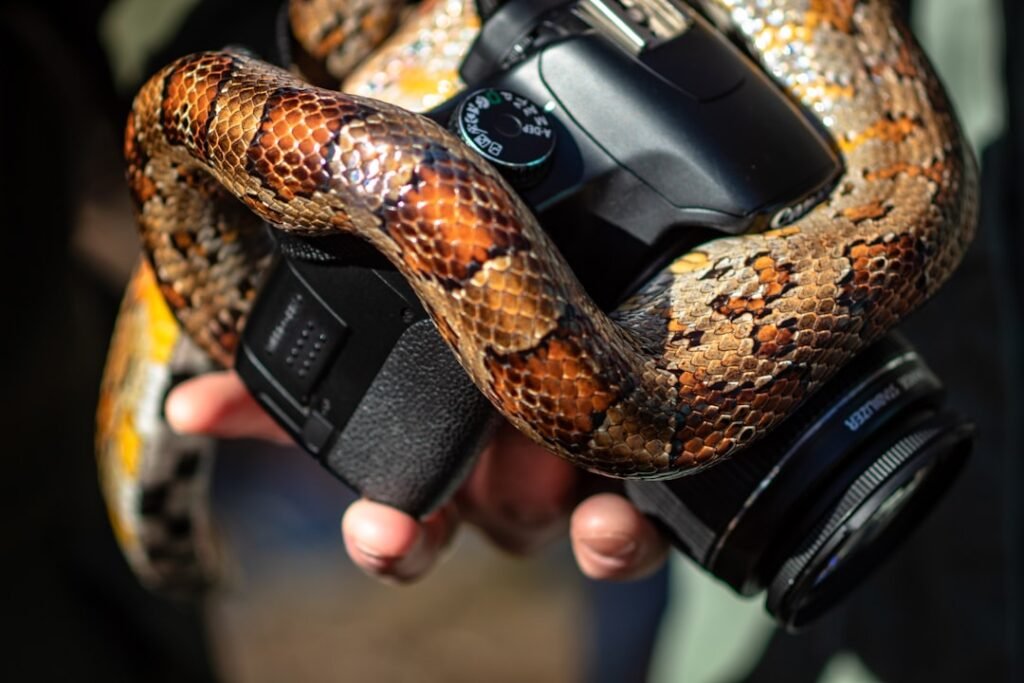
close-up of black Canon DSLR camera and snake

Corn Snake Basking Platform Height: UVB & Temperature Guide

Setting up the perfect basking spot for your corn snake can feel like solving a complex math problem. Many new owners struggle with finding that sweet spot where UVB exposure meets ideal temperature without risking burns or inadequate lighting. Getting this calculation wrong can lead to serious health issues like metabolic bone disease or thermal

Corn Snake Basking Platform Height: UVB & Temperature Guide Read More »

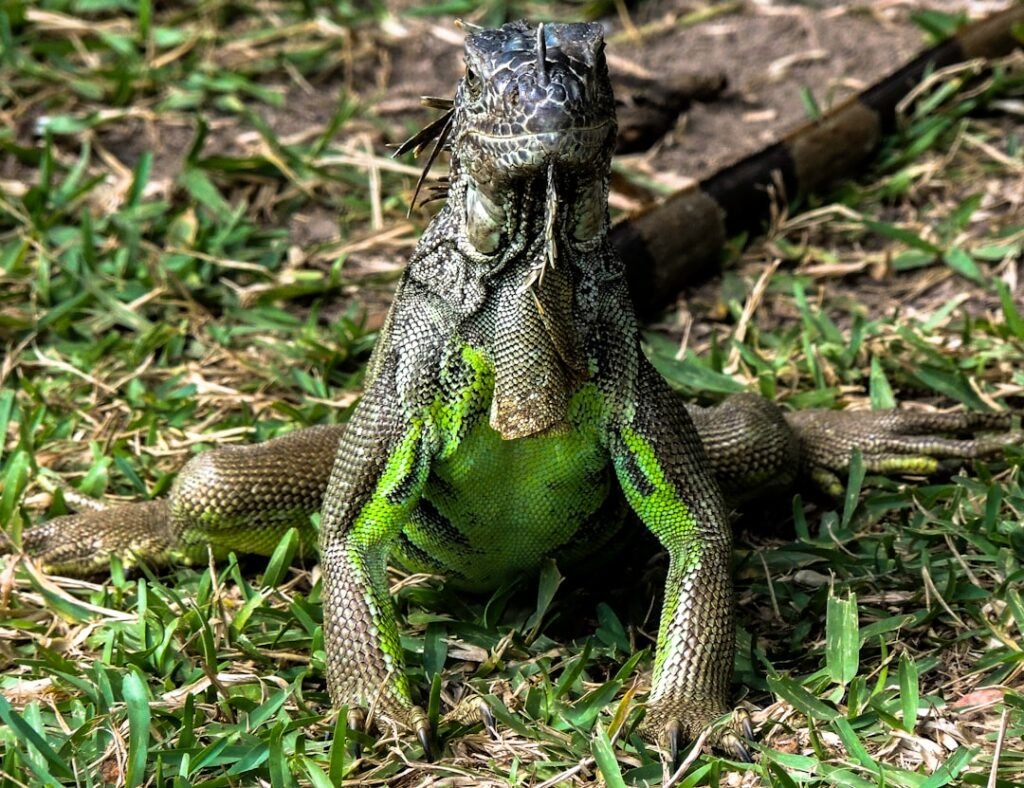
black and green lizard

Chinese Water Dragon Humidity: Best Methods Compared

Getting humidity right for Chinese water dragons isn’t just important—it’s absolutely critical for their survival. I’ve seen too many otherwise healthy dragons develop respiratory infections, shed improperly, or become dehydrated simply because their keepers struggled with humidity control. After losing a precious hatchling years ago due to improper humidity cycling, I dedicated myself to solving

Chinese Water Dragon Humidity: Best Methods Compared Read More »

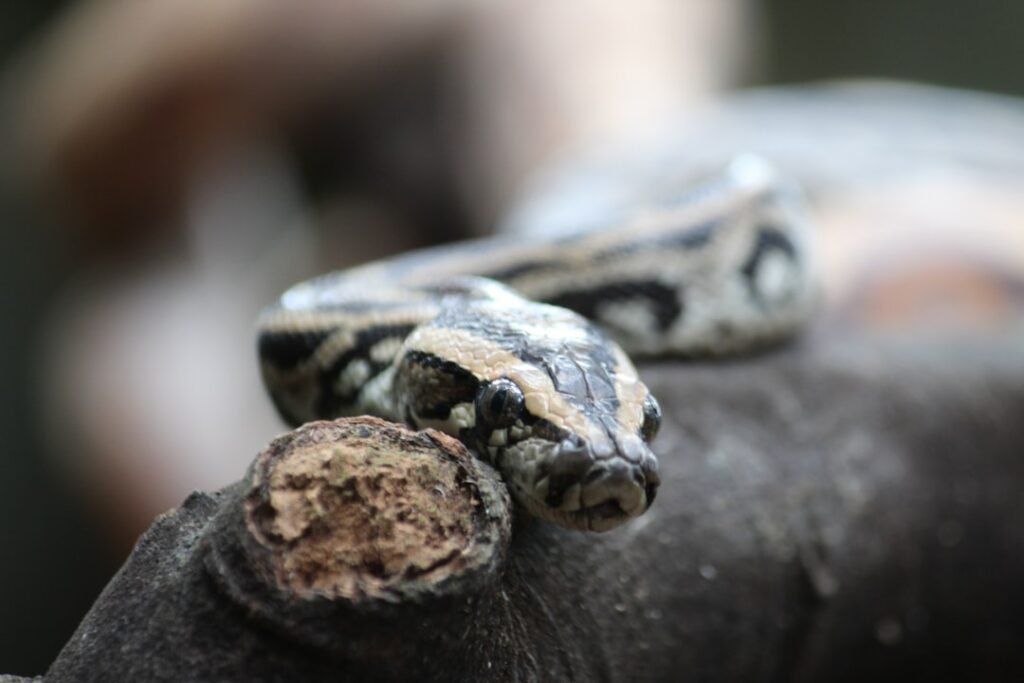
a close up of a small animal with a blurry background

Blood Python Care Hacks: 5 Time-Saving Tips for Humidity & Feeding

Let’s be real: blood pythons get a bad rap for being “high-maintenance” reptiles. But what if I told you that with a few clever tweaks to your routine, you could cut your daily care time in half while keeping your snake healthier and happier? As someone who’s managed dozens of blood pythons over the years,

Blood Python Care Hacks: 5 Time-Saving Tips for Humidity & Feeding Read More »

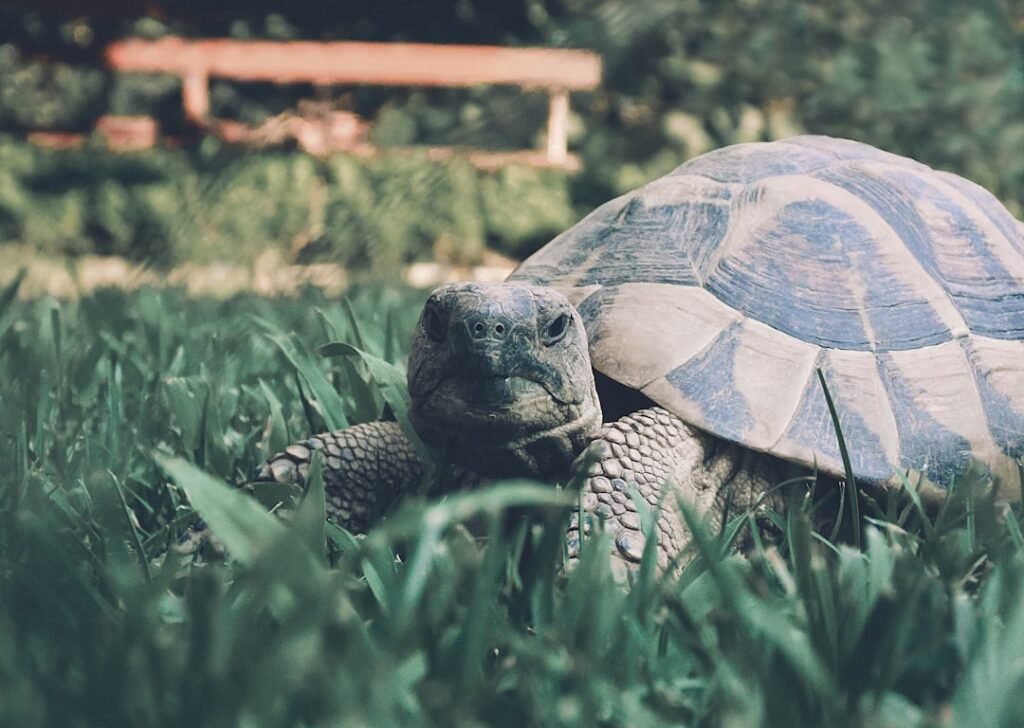
brown turtle on green grass during daytime

Sulcata Tortoise Behavior: Stress vs Curiosity — How to Tell

Understanding your Sulcata tortoise’s emotional state can feel like deciphering an ancient code. These gentle giants communicate through subtle movements and habits rather than vocal cues, leaving many caregivers wondering: Is my tortoise happily exploring or secretly stressed? Recognizing the difference between natural curiosity and distress signals isn’t just fascinating—it’s critical for their wellbeing. Sulcatas

Sulcata Tortoise Behavior: Stress vs Curiosity — How to Tell Read More »

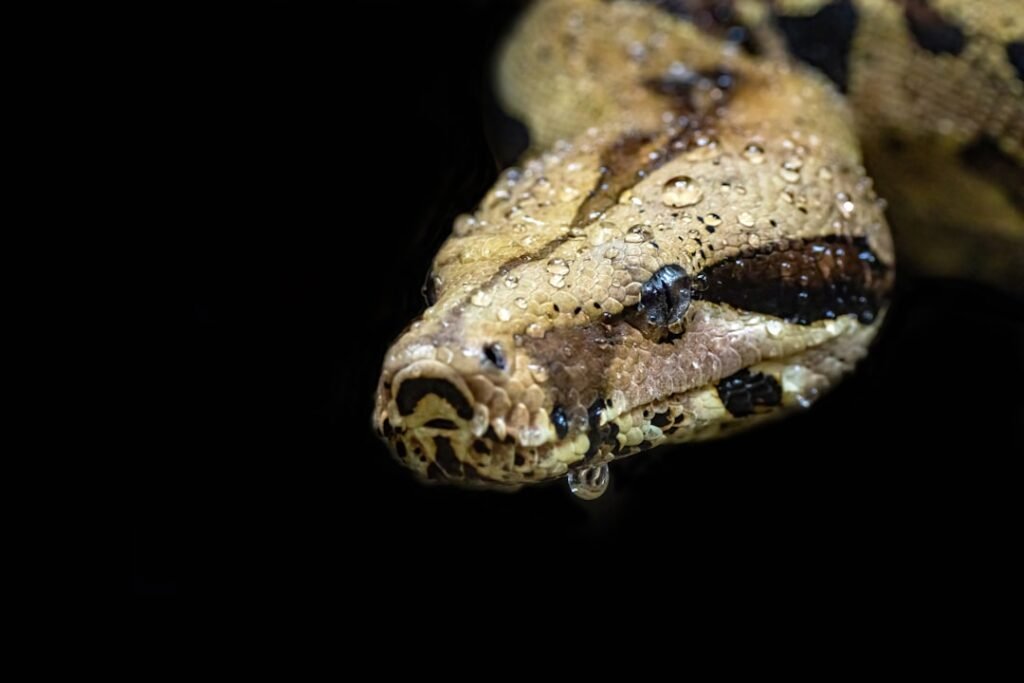
a close up of a snake on a black background

Rainbow Boa Post-Brumation Health Assessment Checklist

Brumation is a natural cooling period that mimics winter for many reptiles, including rainbow boas. But when that cool-down phase ends, your snake enters a critical transition window where health issues can surface quickly. Missing subtle signs during this 2-4 week recovery period could lead to dehydration, shedding complications, or even respiratory infections. As a

Rainbow Boa Post-Brumation Health Assessment Checklist Read More »

🦎
225+ reptile owners
already using ReptileCoach