
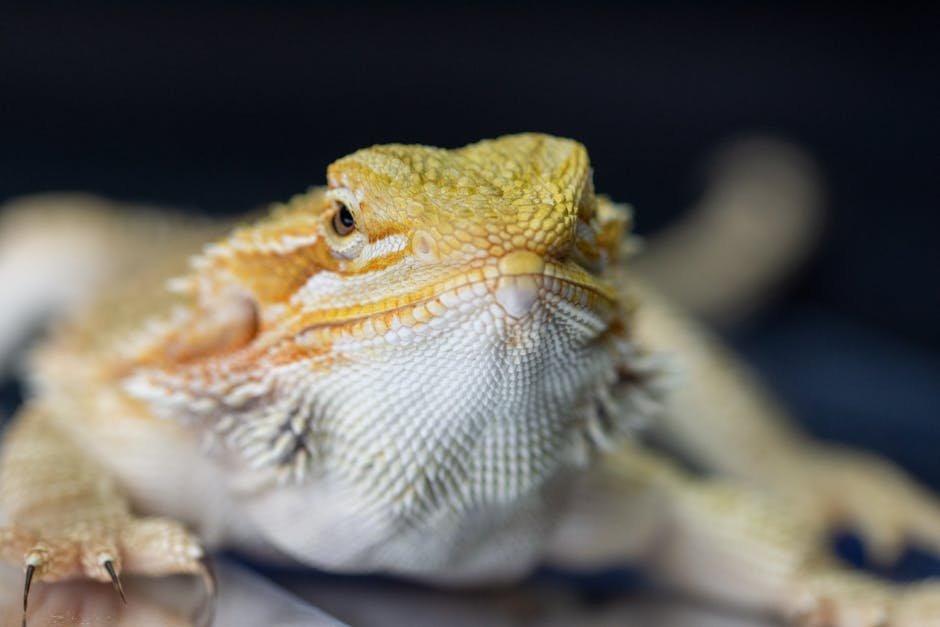
Getting your bearded dragon’s temperature and lighting dialed in is arguably the single most important aspect of their husbandry. In the wild, these Australian reptiles bask under intense sunlight in arid, semi-desert environments. Replicating that experience in captivity isn’t just about slapping any old bulb on top of a tank — the method you choose for heating and lighting directly impacts your dragon’s digestion, immune function, bone health, and overall behavior. The challenge? There are multiple ways to achieve proper temperatures and UVB exposure, and each method comes with distinct advantages and drawbacks. In this guide, we’ll compare the most popular approaches side by side so you can make an informed decision for your scaly companion.
Understanding the Two Essential Components: Heat and UVB
Before we dive into specific methods, it’s crucial to understand that bearded dragons require two separate but equally important elements from their lighting setup: heat for thermoregulation and UVB radiation for vitamin D3 synthesis. Some products combine both functions, while others handle them separately. Neither component is optional — a bearded dragon without adequate heat cannot digest food properly, and one without sufficient UVB will develop metabolic bone disease, a painful and potentially fatal condition.
Your bearded dragon’s enclosure needs a basking spot of 100–110°F (for adults; juveniles may need slightly warmer at 105–110°F), a warm side around 85–90°F, and a cool side around 75–80°F. Nighttime temperatures should not drop below 65°F. For UVB, bearded dragons need exposure in the Ferguson Zone 3–4 range, which translates to a UVB index of roughly 4.0–6.0 in the basking area. With those targets in mind, let’s compare the methods.
Method 1: Halogen Flood Bulbs for Basking + Linear T5 HO UVB Tube
This is widely considered the gold standard among experienced bearded dragon keepers and is increasingly recommended by reptile veterinarians. Here’s why: halogen bulbs produce heat through infrared-A and infrared-B radiation, which closely mimics natural sunlight. This type of heat penetrates deep into your dragon’s body, warming them from the inside out — just like the sun does in the Australian outback.
Worried About Your Reptile's Health?
Upload a photo and get instant AI health analysis. Catch problems before they become expensive vet bills.
Get Free Health Check →Paired with a T5 high-output UVB tube (such as the Arcadia 12% or Zoo Med ReptiSun 10.0 T5 HO) spanning two-thirds of the enclosure’s length, this setup provides broad, even UVB coverage across the basking zone and beyond. The linear tube ensures your dragon receives UVB exposure no matter where it sits on the warm side, rather than being limited to a small spot directly beneath a compact bulb.
- Pros: Most naturalistic heat output, excellent deep-tissue warming, energy efficient, inexpensive to replace (standard PAR38 halogen floods cost $5–10), broad UVB coverage with linear tube, independently adjustable heat and UVB
- Cons: Requires two separate fixtures, T5 HO fixtures can be pricey upfront ($30–60), UVB bulbs need replacement every 6–12 months depending on brand
Best for: Keepers who want the most biologically appropriate setup and don’t mind managing two separate light sources. This is the method we recommend for most bearded dragon owners.
Method 2: Mercury Vapor Bulbs (MVBs) — The All-in-One Approach
Mercury vapor bulbs produce both heat and UVB from a single bulb, which makes them appealing for their simplicity. Brands like Mega-Ray and Zoo Med PowerSun are popular choices. They screw into a standard ceramic dome fixture and can provide strong UVB output alongside a focused basking spot.
However, MVBs come with significant limitations. They cannot be used with a dimming thermostat — dimming them alters the UVB output and can damage the bulb. This means temperature control is achieved primarily through adjusting the distance between the bulb and the basking spot, which can be tricky in smaller enclosures. They also produce a very concentrated cone of UVB rather than the broad coverage a linear tube provides, meaning your dragon must sit directly beneath the bulb to receive adequate exposure.
Never Miss Early Warning Signs
AI photo analysis catches subtle health issues humans miss 80% of the time. Early detection = healthier reptile + lower vet bills.
Start Free Trial →- Pros: Single bulb provides both heat and UVB, strong UVB output, simple setup with one fixture, good for very large enclosures where mounting distance is flexible
- Cons: Cannot be dimmed or used with proportional thermostats, limited UVB coverage area, expensive ($30–50 per bulb), minimum distance requirements (typically 12–18 inches), not ideal for enclosures under 4 feet long, bulbs can have inconsistent quality
Best for: Keepers with large enclosures (4x2x2 feet or bigger) who want a simpler setup and are comfortable adjusting bulb height manually for temperature control.
Method 3: Ceramic Heat Emitters (CHEs) + Compact/Coil UVB Bulbs
This combination was once the standard recommendation at most pet stores and still shows up frequently in outdated care guides. Ceramic heat emitters produce heat without any visible light, while compact UVB bulbs screw into a standard dome fixture. While both products technically work, this method has significant drawbacks that make it the least recommended option for bearded dragons.
Ceramic heat emitters produce primarily infrared-C radiation, which only heats the surface of your dragon’s skin rather than penetrating deeply. Think of it like standing near a space heater versus standing in warm sunlight — the sensation is different, and the biological effect is too. Your dragon may sit under a CHE and appear warm on the surface while its core body temperature remains too low for proper digestion.
Compact UVB bulbs, meanwhile, provide a very small and uneven cone of UVB. Older models were notorious for causing eye damage in reptiles, and while modern versions have improved, they still can’t match the coverage and consistency of a linear T5 HO tube. Your bearded dragon would need to sit in a very specific spot to receive adequate UVB, which is impractical for an active, roaming species.
Join thousands of successful reptile owners
Try ReptileCoach Free →- Pros: CHEs last a very long time (years), good for supplemental nighttime heat if temperatures drop below 65°F, compact UVB bulbs fit standard fixtures
- Cons: Inferior heat quality (infrared-C only), poor UVB coverage from compact bulbs, does not mimic natural sunlight, CHEs dry out the air excessively, no visible light from CHE means you still need a separate daylight bulb
Best for: Supplemental nighttime heating only. We do not recommend CHEs as a primary daytime heat source or compact UVB bulbs as a primary UVB source for bearded dragons.
Method 4: Deep Heat Projectors (DHPs) + Linear T5 HO UVB
Deep heat projectors are a relatively newer technology popularized by Arcadia Reptile. They produce infrared-A and infrared-B radiation without visible light, offering the deep-penetrating warmth of a halogen bulb in a lightless package. When paired with a linear T5 HO UVB tube and a separate LED or fluorescent daylight bulb for visible light, this creates a highly controllable setup.
The major advantage of DHPs is that they work beautifully with dimming/proportional thermostats, allowing precise temperature control. They also last significantly longer than halogen bulbs — often 5+ years of continuous use.
- Pros: Excellent infrared-A/B heat output, extremely long lifespan, works with dimming thermostats, great for nighttime heat without disturbing the light cycle
- Cons: Expensive upfront ($40–60 per bulb), produces no visible light (requires an additional light source), three separate components needed (DHP + UVB tube + daylight bulb), can be overkill for standard setups
Best for: Advanced keepers who want maximum control, those in cold climates needing 24/7 heat, or bioactive setups where precise temperature management is critical.
"This app saved my bearded dragon's life. The AI caught early MBD in photos I thought looked completely normal. Worth every penny!"
— Sarah K., ReptileCoach User
Get Your Free 7-Day Trial →Thermostat Compatibility: A Critical Factor
No matter which heating method you choose, a thermostat is non-negotiable. Unregulated heat sources can overheat your enclosure and seriously injure or kill your bearded dragon. Here’s how each method pairs with thermostats:
- Halogen bulbs: Work with dimming thermostats (recommended) or on/off thermostats. Dimming is preferred for stable temperatures.
- Mercury vapor bulbs: On/off thermostats only. Dimming will damage the bulb and alter UVB output unpredictably.
- Ceramic heat emitters: Compatible with both dimming and on/off thermostats.
- Deep heat projectors: Ideal with dimming/proportional thermostats for the smoothest temperature regulation.
Popular thermostat options include the Herpstat series for advanced keepers and the Inkbird ITC-306T or Zoo Med ReptiTemp for budget-friendly on/off control. Invest in a quality thermostat — it’s cheap insurance for your dragon’s safety.
How to Verify Your Setup Is Working Correctly
Regardless of which method you choose, you need reliable tools to confirm your temperatures and UVB levels are correct. Use a digital probe thermometer or infrared temperature gun to check your basking surface temperature — it should read 100–110°F at the spot where your dragon actually sits. Ambient temperatures on the warm and cool sides should be checked with digital thermometers placed at dragon height, not stuck to the top of the glass where readings are inaccurate.
For UVB verification, a Solarmeter 6.5R is the gold standard tool. It measures the UV index at any point in the enclosure, letting you confirm your dragon is receiving appropriate levels. While it’s an investment at around $200, it’s invaluable for serious keepers and can be shared among local reptile communities. At minimum, follow the manufacturer’s recommended mounting distances and replace UVB bulbs on schedule — they lose output long before they stop producing visible light.
Worried About Your Reptile's Health?
Upload a photo and get instant AI health analysis. Catch problems before they become expensive vet bills.
Get Free Health Check →Putting It All Together: Our Recommended Comparison Summary
Choosing the right temperature and lighting setup for your bearded dragon doesn’t have to be overwhelming. For most keepers, a halogen flood bulb on a dimming thermostat paired with a T5 HO linear UVB tube offers the best combination of naturalistic heat, broad UVB coverage, affordability, and ease of use. Mercury vapor bulbs remain a viable option for large enclosures where simplicity is valued, and deep heat projectors shine in advanced setups requiring precise 24/7 temperature control. The one method we strongly advise against as a primary setup is the ceramic heat emitter plus compact UVB combination — it simply doesn’t provide the quality of heat or UVB coverage that bearded dragons need to thrive. Whatever method you choose, always pair it with a reliable thermostat, verify your temperatures with accurate instruments, and replace UVB bulbs on the manufacturer’s recommended schedule. Your bearded dragon’s health, appetite, and energy levels will tell you when you’ve gotten it right — a properly heated and illuminated dragon is an active, alert, and vibrantly colored companion.
Ready to Give Your Reptile the Best Care?
Stop guessing and start knowing. Get personalized AI-powered care guidance, photo health analysis, and 24/7 expert advice for YOUR specific reptile.
Get Personalized Care Guidance
AI-powered photo analysis and daily care tracking for YOUR reptile
Try Free for 7 Days →