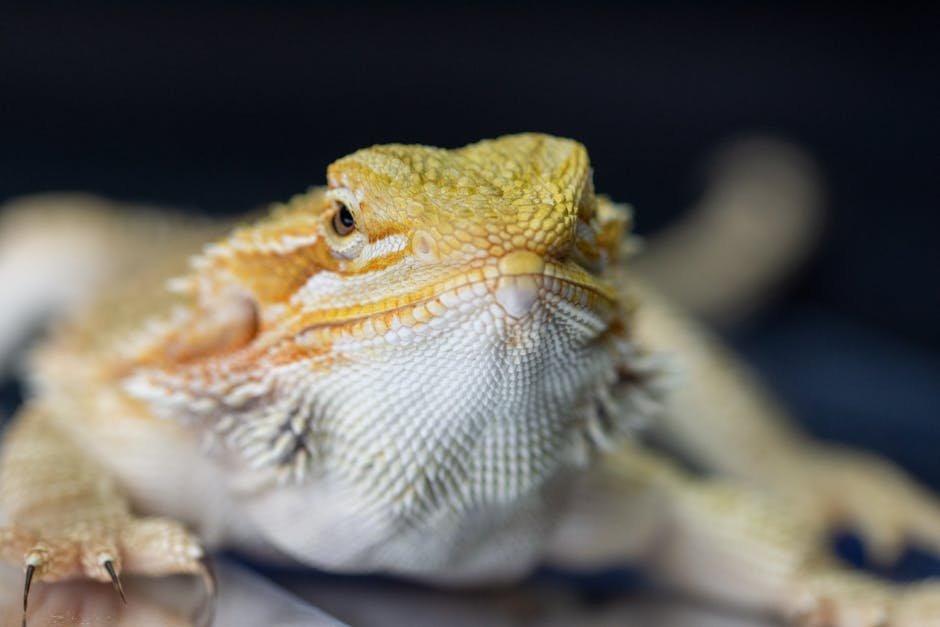
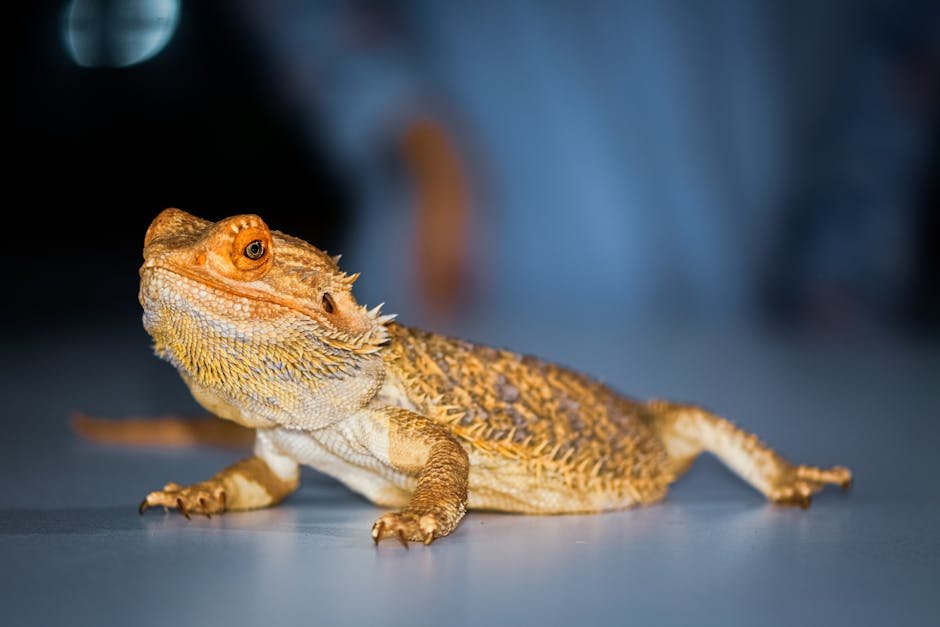
Detailed macro shot of a bearded dragon with focus on the face.

Bearded Dragon Temperature & Lighting Setup Methods Compared

Getting your bearded dragon’s temperature and lighting dialed in is arguably the single most important aspect of their husbandry. In the wild, these Australian reptiles bask under intense sunlight in arid, semi-desert environments. Replicating that experience in captivity isn’t just about slapping any old bulb on top of a tank — the method you choose

Bearded Dragon Temperature & Lighting Setup Methods Compared Read More »

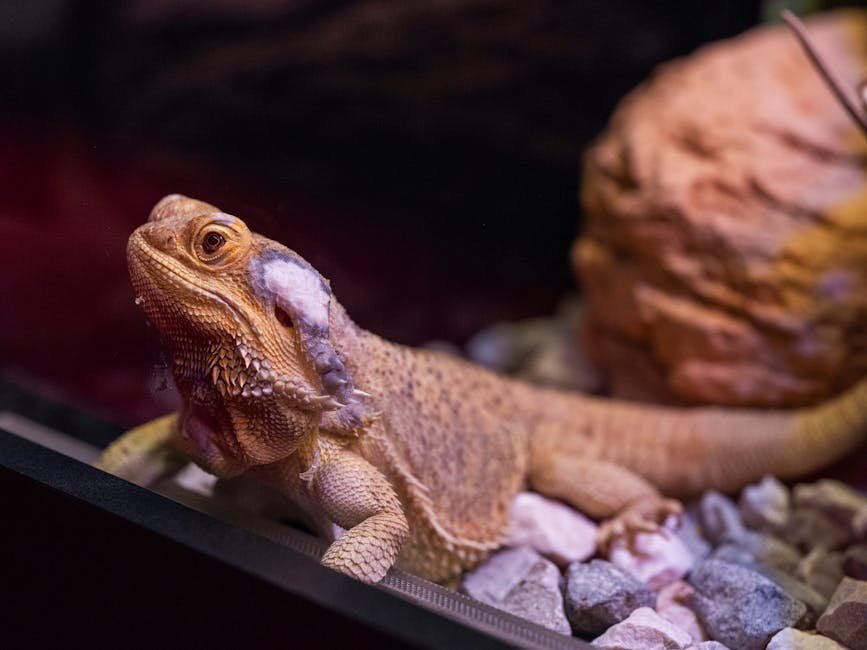
Close-up of a bearded dragon shedding skin in a glass terrarium.

Vitamin Deficiency Signs in Bearded Dragons: 2026 Care Guide

One of the most common — and most preventable — health issues bearded dragon owners face is vitamin and mineral deficiency. These deficiencies don’t appear overnight. They creep in slowly, often mimicking other problems or going entirely unnoticed until your beardie is seriously unwell. As a beginner, learning to recognize the early warning signs of

Vitamin Deficiency Signs in Bearded Dragons: 2026 Care Guide Read More »

grey lizard

Nutritional Optimization for Peak Health and Performance

Most people know the basics of eating well: more vegetables, less processed food, drink water. But nutritional optimization goes far beyond those surface-level guidelines. It’s about fine-tuning what you eat, when you eat, and how you combine foods so your body actually absorbs and uses every nutrient efficiently. Whether your goal is sharper mental focus,

Nutritional Optimization for Peak Health and Performance Read More »

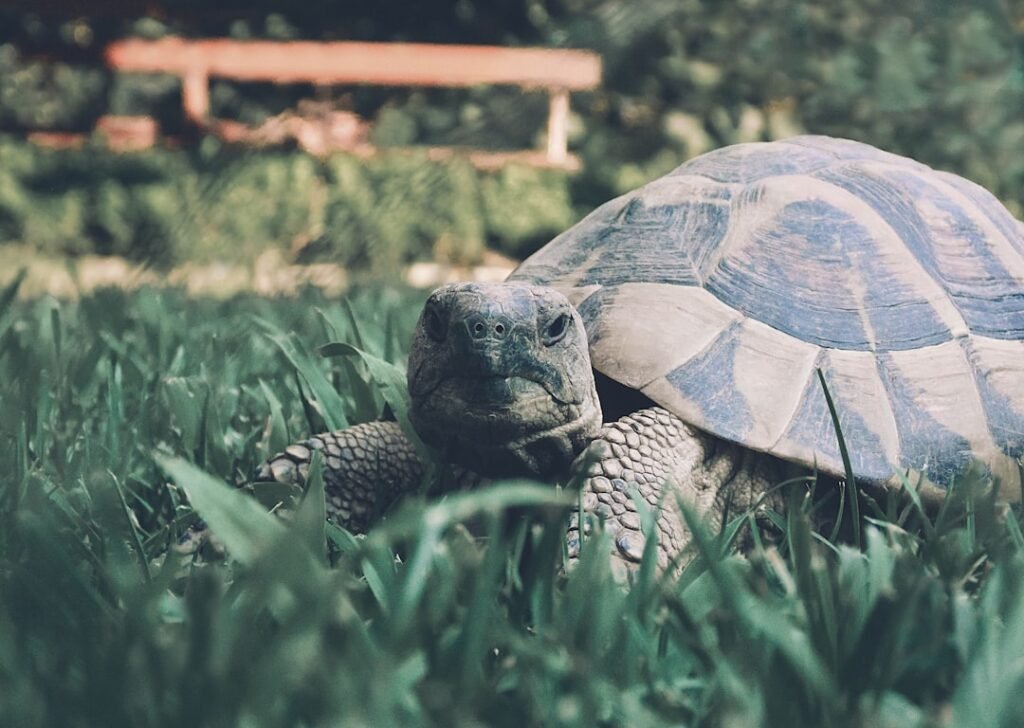
brown turtle on green grass during daytime

Redfoot Tortoise Eyesight: How to Protect Their Vision

Your redfoot tortoise relies on its eyesight more than you might think. From finding food to navigating its enclosure, healthy vision plays a central role in your tortoise’s daily life and overall well-being. Unfortunately, eye problems are among the more common health issues seen in captive redfoot tortoises, and many of them are entirely preventable.

Redfoot Tortoise Eyesight: How to Protect Their Vision Read More »

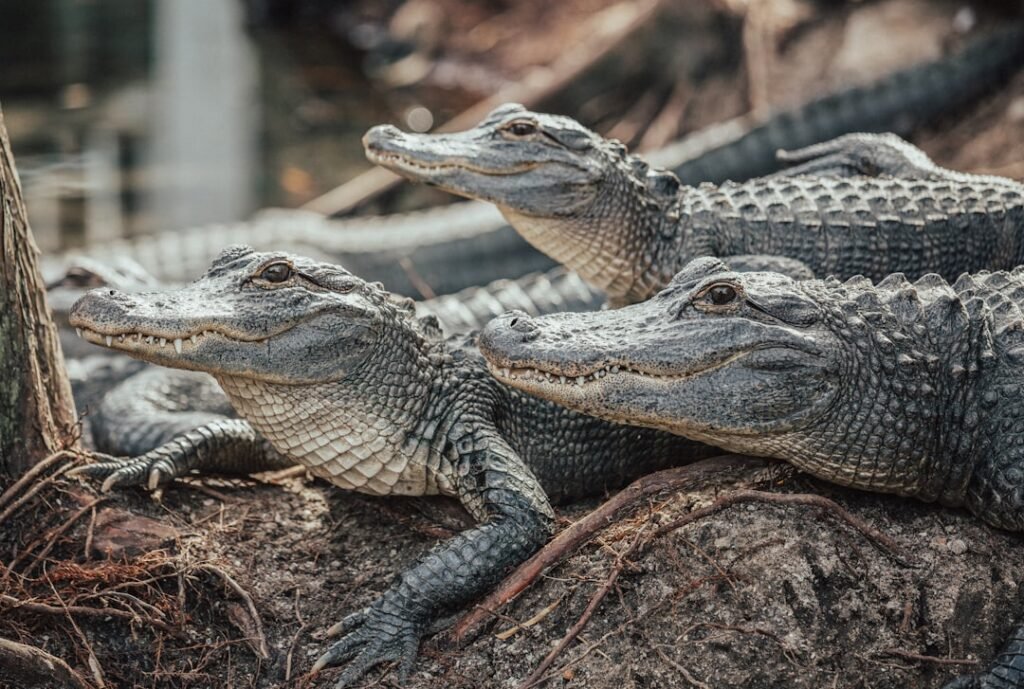
crocodiles on brown soil

Alligator Microbiome: Natural vs Artificial Habitat Effects

If you keep or work with alligators in captivity, you’ve probably noticed that digestive issues, skin irregularities, and immune-related problems pop up far more often than they do in wild populations. The reason often traces back to something invisible to the naked eye: the microbiome. The trillions of bacteria, fungi, and other microorganisms living in

Alligator Microbiome: Natural vs Artificial Habitat Effects Read More »

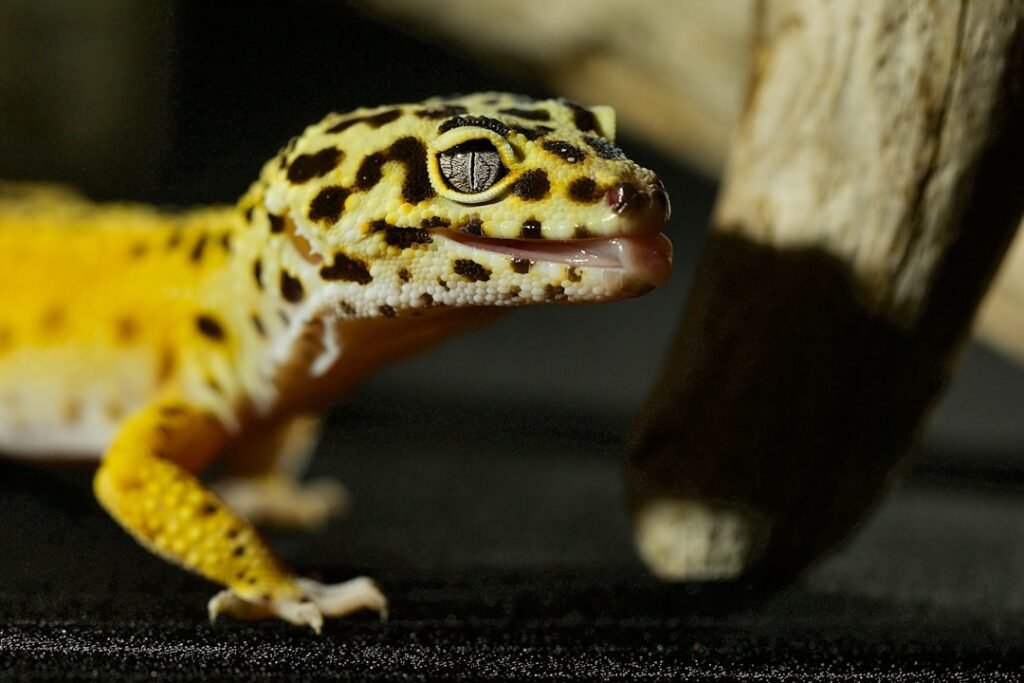
a yellow and black leopard gecko sitting on a black surface

Leopard Gecko UVB and Screen Tops: What Gets Blocked

If you’ve ever set a UVB bulb on top of your leopard gecko’s mesh screen lid and wondered how much of that beneficial ultraviolet light is actually making it through to your little friend, you’re asking one of the most important and most overlooked questions in reptile husbandry. Screen tops are practically universal in leopard

Leopard Gecko UVB and Screen Tops: What Gets Blocked Read More »

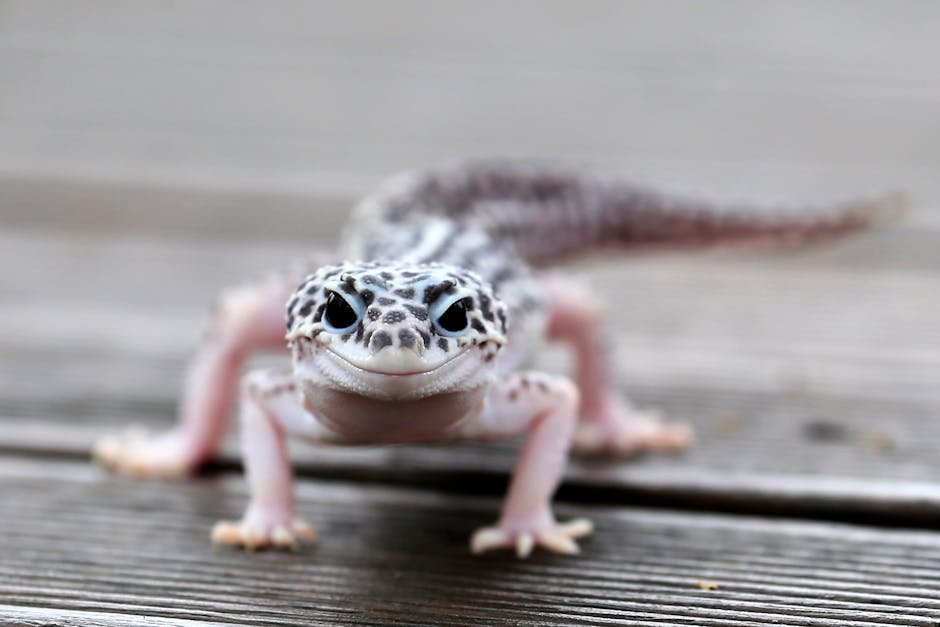
Detailed image of a spotted leopard gecko on a wooden surface, showcasing its unique patterns.

Essential guide for adopting leopard geckos with tail injuries. Learn proper care for dropped tails, regrowth nutrition, vet signs, and creating safe recovery habitats.

Adopting a leopard gecko with a missing or injured tail isn’t just about giving a second chance—it’s a commitment to specialized care during their most vulnerable time. While a regrown tail might look lumpy or bumpy compared to the original, it’s often a visible sign of past trauma that requires immediate attention. These reptiles store

Essential guide for adopting leopard geckos with tail injuries. Learn proper care for dropped tails, regrowth nutrition, vet signs, and creating safe recovery habitats. Read More »