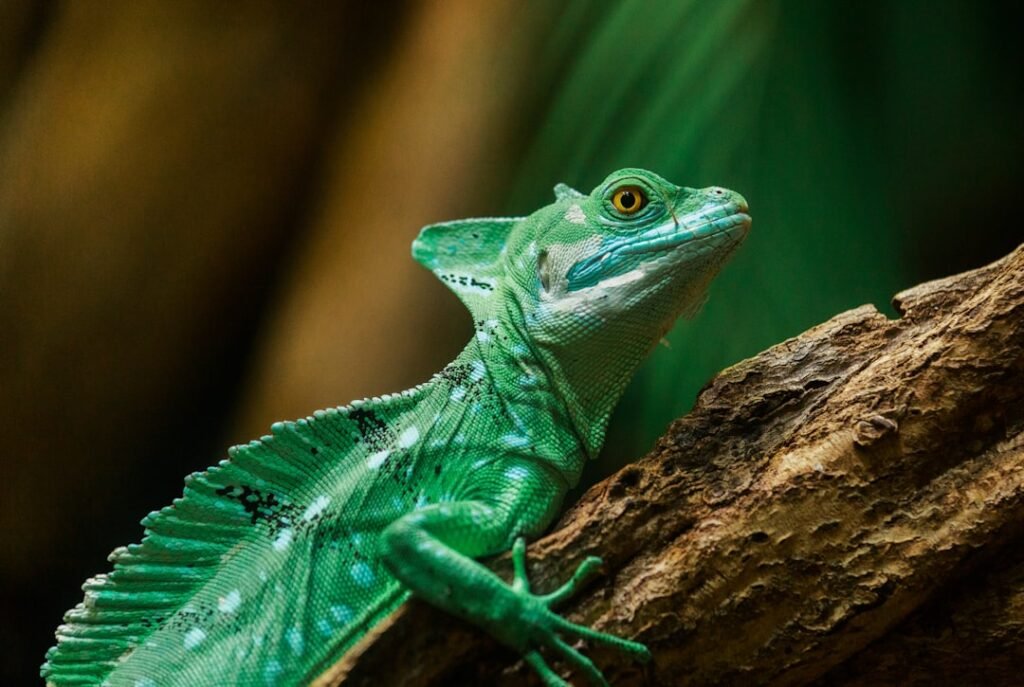
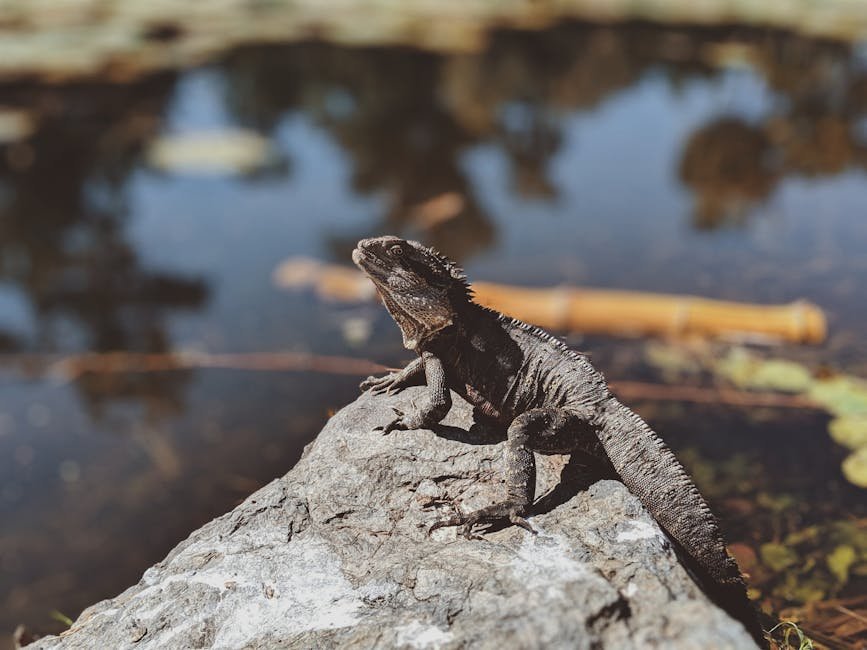
A vivid capture of an Australian water dragon perched on a rock near a tranquil pond.

bearded dragon poop smell.

Let’s talk about the elephant in the room—well, the bearded dragon in the enclosure. That unmistakable poop smell isn’t just unpleasant; it signals poor air quality that can harm your scaly friend’s respiratory health. While regular cleaning is essential, most owners miss a critical factor: your enclosure’s physical layout directly impacts odor buildup. A thoughtfully […]

bearded dragon poop smell. Read More »
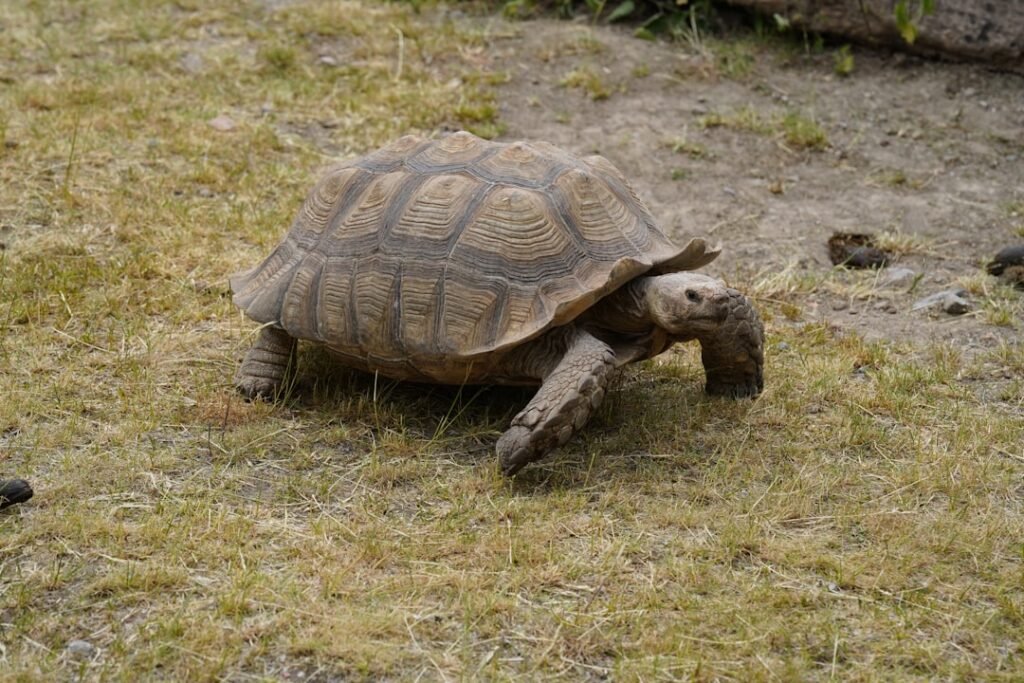
brown turtle on green grass during daytime

Sulcata Tortoise Hydration Through Smart Food Choices

Did you know your sulcata tortoise might be quietly dehydrated even with a water dish nearby? Many owners focus solely on water bowls, missing a crucial hydration secret: your tortoise’s food choices directly impact its water balance. Unlike mammals, sulcatas evolved to extract moisture primarily from fibrous plants in arid environments. When we feed inappropriate

Sulcata Tortoise Hydration Through Smart Food Choices Read More »

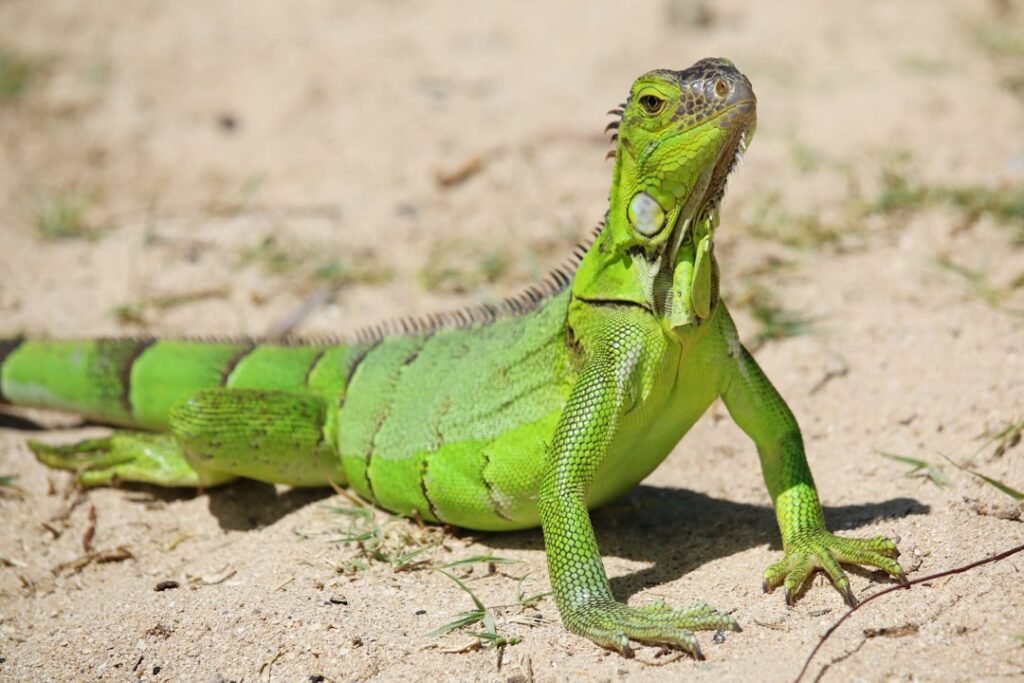
a green lizard on the ground

Rhino Iguana Humidity Control: Effective Dehumidification Tips

As a rhino iguana owner, you’ve probably discovered these fascinating reptiles come with very specific environmental needs. While many reptile keepers focus on temperature regulation, humidity control is equally crucial—especially for rhino iguanas who thrive in drier conditions than their green iguana cousins. Getting humidity levels right isn’t just about comfort; it’s a matter of

Rhino Iguana Humidity Control: Effective Dehumidification Tips Read More »

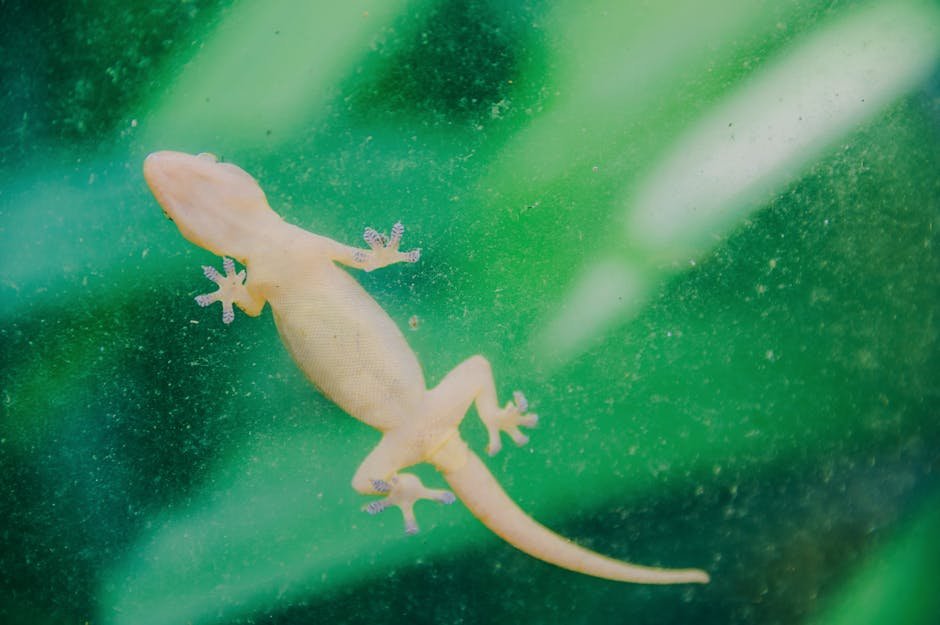
A close-up image of a small gecko on a vibrant green glass surface.

Crested Gecko UVB Exposure: Finding the Perfect Balance

As a crested gecko owner, you’ve probably heard conflicting advice about UVB lighting—some say it’s essential, others claim it’s completely optional. This confusion leaves many new keepers wondering: “Do I really need to add UVB to my gecko’s tank?” The truth is more nuanced than you might think. While crested geckos are nocturnal and can

Crested Gecko UVB Exposure: Finding the Perfect Balance Read More »

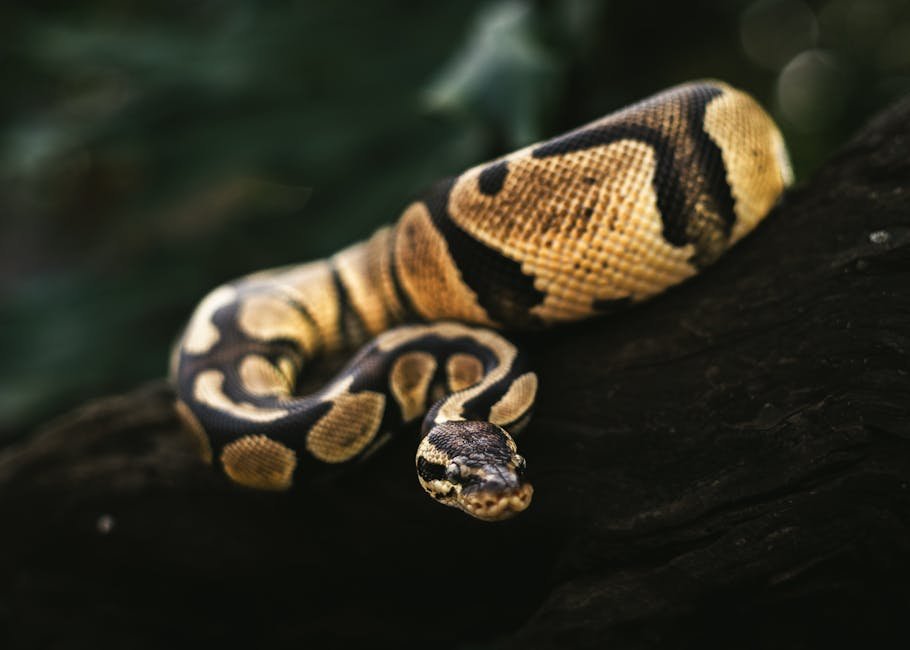
Vibrant ball python resting on a log under dim lighting.

Discover the truth about feeding ball pythons varied diets vs single prey. Learn when to mix it up and when consistency wins for healthy snakes.

As a ball python owner, you’ve probably wondered: should you stick to one type of prey or mix things up? This seemingly simple question sparks heated debates in reptile communities and directly impacts your snake’s long-term health. While some keepers swear by strict consistency, others champion dietary diversity. The truth? Both approaches have merit, but

Discover the truth about feeding ball pythons varied diets vs single prey. Learn when to mix it up and when consistency wins for healthy snakes. Read More »

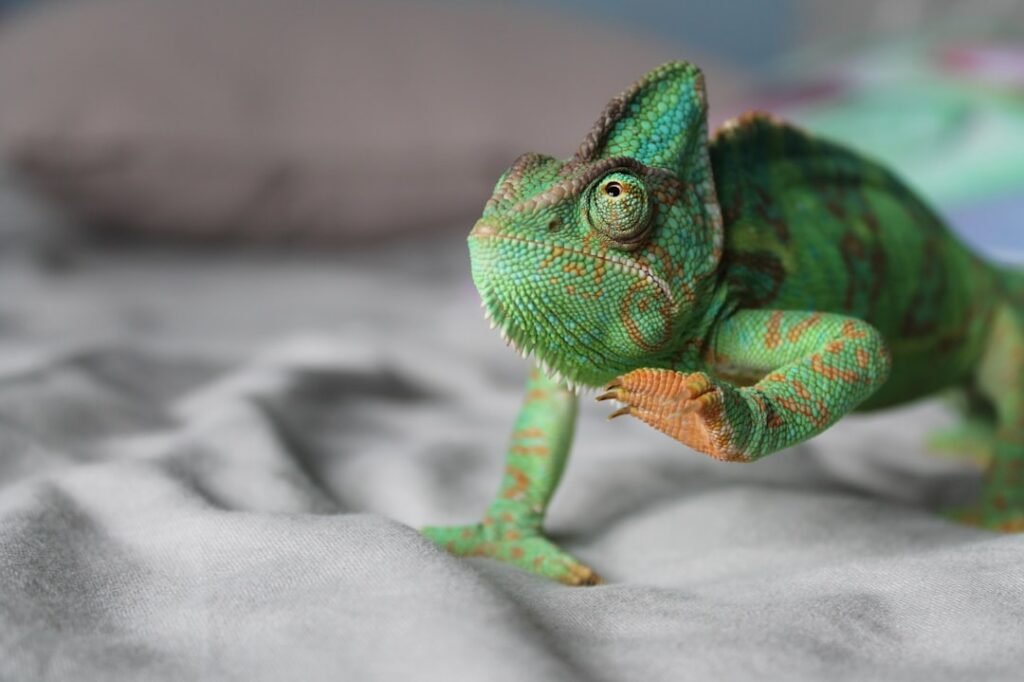
green chameleon lifting left leg

Learn how to assess pygmy chameleon breeding condition with our practical body score guide. Ensure healthy reproduction with actionable husbandry tips.

Bringing new life into your chameleon collection is incredibly rewarding, but successful pygmy chameleon breeding starts long before eggs appear. Understanding your chameleon’s physical condition is the secret to avoiding egg-binding, weak clutches, and stressed animals. Many beginners dive into breeding without checking if their pygmy chameleons are truly ready, leading to heartbreaking losses. This

Learn how to assess pygmy chameleon breeding condition with our practical body score guide. Ensure healthy reproduction with actionable husbandry tips. Read More »

iguana on brown branch

Struggling with stuck shed? Learn proven humidity hacks, safe removal techniques, and species-specific tips for healthy lizard shedding. Avoid common pitfalls!

That patchy, cloudy-eyed look on your lizard friend isn’t just quirky—it’s a critical health signal. Proper shedding (or “ecdysis”) isn’t merely cosmetic; incomplete sheds can lead to constricted blood flow in toes or tails, eye infections from retained “spectacles,” and even life-threatening bacterial growth under trapped skin. As a reptile parent, you’re their first line

Struggling with stuck shed? Learn proven humidity hacks, safe removal techniques, and species-specific tips for healthy lizard shedding. Avoid common pitfalls! Read More »

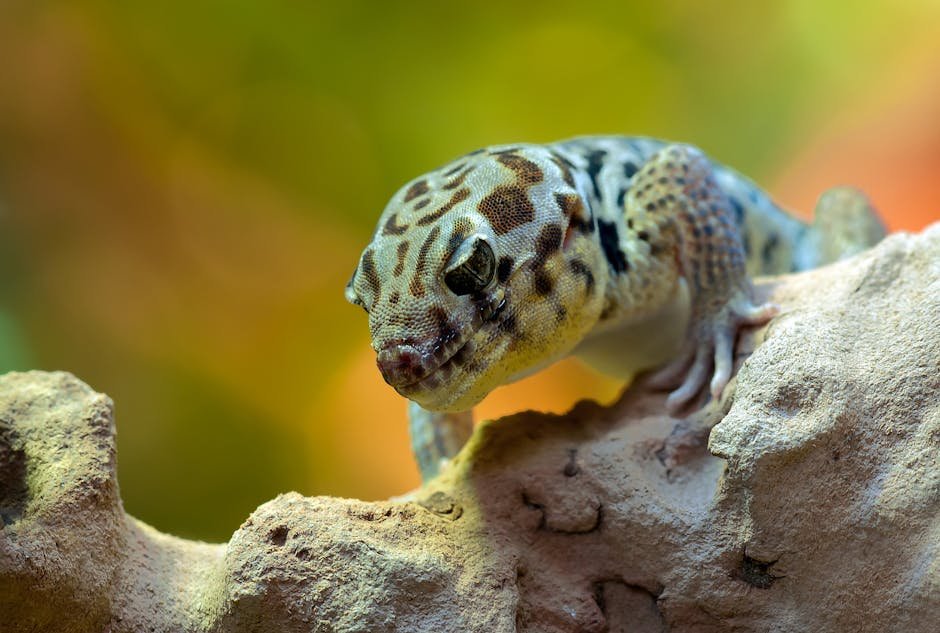
Vivid close-up of a leopard gecko on rocks, showcasing its intricate skin patterns.

Crested Gecko Breeding Behavior: Off-Season Surprises Explained

You might be surprised to hear chirping sounds or see your crested gecko shaking its tail in October—months before breeding season typically begins. Many owners panic when they witness mating behaviors outside the expected January-February pairing window, worrying they’ve done something wrong. Understanding these off-season displays is crucial for reducing unnecessary stress for both you

Crested Gecko Breeding Behavior: Off-Season Surprises Explained Read More »

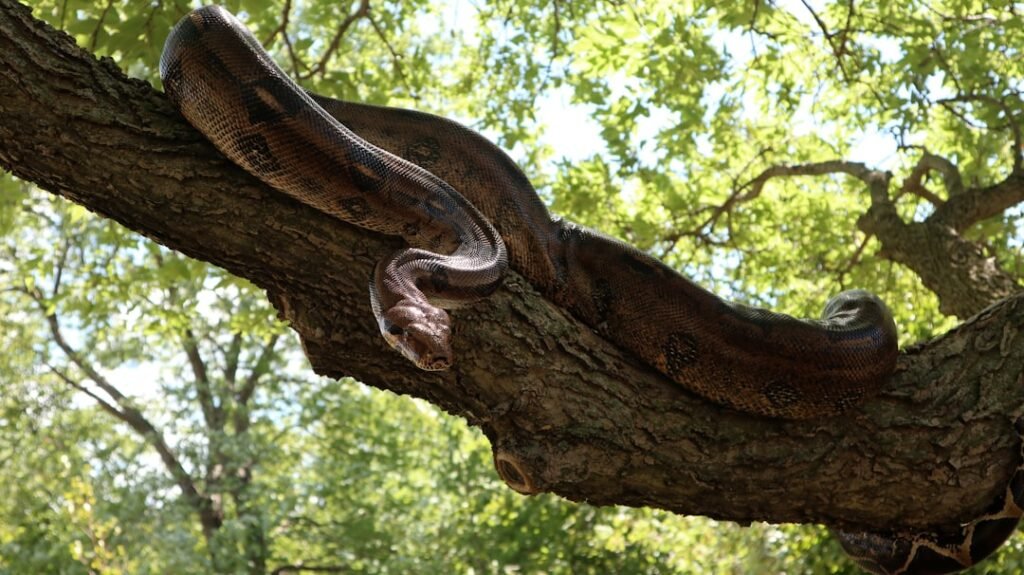
a large reptile on a tree

Discover which humidity method works best for Emerald Tree Boas. We tested misters vs foggers for humidity stability, health impact, and practicality in rainforest enclosures.

Creating the perfect rainforest environment for your Emerald Tree Boa isn’t just about beautiful foliage and temperature gradients—it’s a delicate humidity balancing act. Too dry, and your boa risks respiratory infections and shedding problems. Too wet, and you’re inviting mold, bacteria, and scale rot. As a fellow Emerald Tree Boa enthusiast who’s navigated this humidity

Discover which humidity method works best for Emerald Tree Boas. We tested misters vs foggers for humidity stability, health impact, and practicality in rainforest enclosures. Read More »

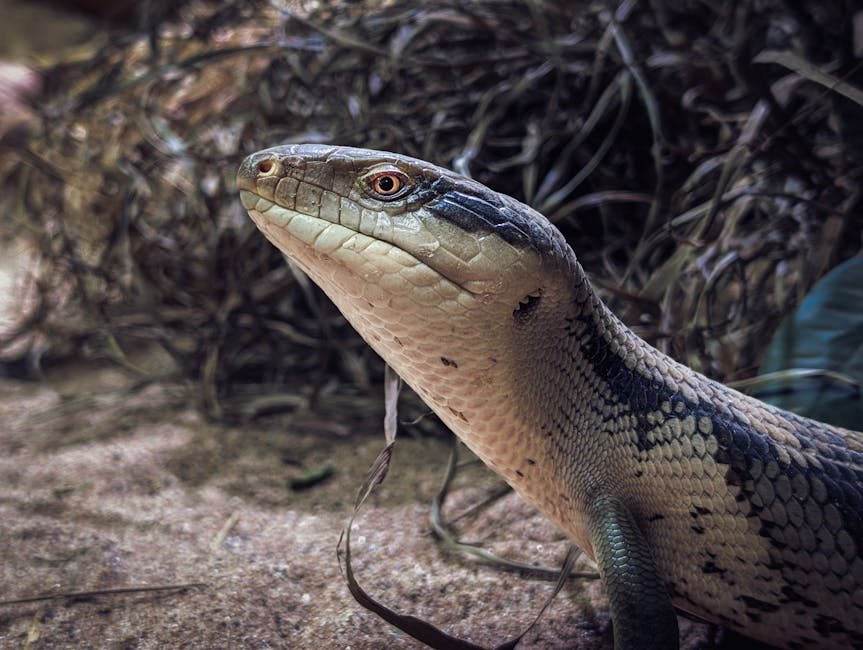
Close-up photo of a Blue-Tongued Skink showcasing its vibrant scales and natural surroundings.

Discover how meticulous record-keeping directly impacts your blue tongue skink’s longevity. Learn actionable documentation strategies to maximize their 20+ year lifespan potential.

Bringing home a blue tongue skink isn’t just adopting a pet—it’s making a lifelong commitment that could span two decades or more. These gentle reptiles routinely live 15-25 years with proper care, but reaching that golden age isn’t accidental. What separates skinks that thrive into their twenties from those that fade early often comes down

Discover how meticulous record-keeping directly impacts your blue tongue skink’s longevity. Learn actionable documentation strategies to maximize their 20+ year lifespan potential. Read More »