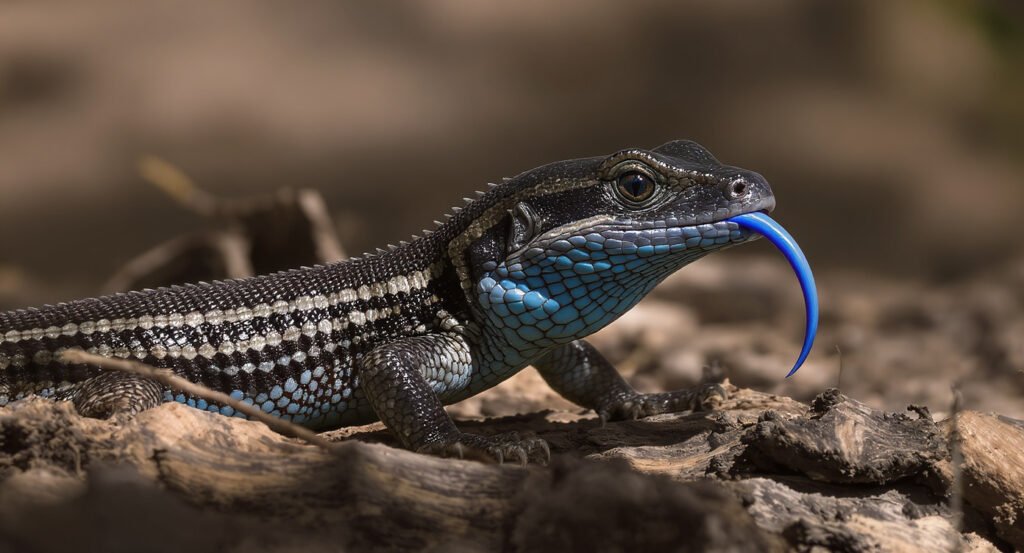
When your blue-tongued skink refuses food, it’s natural to worry. Loss of appetite in blue-tongued skinks can stem from environmental issues, health problems, or natural behavioral cycles. Understanding why your skink isn’t eating and how to address it will help you provide the best care and get your pet back to its healthy, voracious self.
Common Reasons Your Blue-Tongued Skink Won’t Eat
1. Incorrect Temperature and Lighting
Blue-tongued skinks are ectothermic reptiles that rely on external heat sources to regulate body temperature and digest food. If your enclosure temperatures aren’t optimal, your skink’s metabolism slows down, leading to appetite loss.
- Basking spot should be 95-100°F (35-38°C)
- Cool side should be 75-82°F (24-28°C)
- Nighttime temperatures can drop to 70-75°F (21-24°C)
- Provide UVB lighting for 10-12 hours daily
Check your temperatures with an infrared thermometer or digital thermometer with probes. Insufficient heat prevents proper digestion, making your skink reluctant to eat.
2. Stress from Environmental Changes
Blue-tongued skinks are sensitive to changes in their environment. Recent stressors that can trigger appetite loss include:
Worried About Your Reptile's Health?
Upload a photo and get instant AI health analysis. Catch problems before they become expensive vet bills.
Get Free Health Check →- Moving to a new enclosure or home
- Changes in enclosure layout or décor
- Excessive handling, especially for new pets
- Loud noises or high-traffic areas near the tank
- Presence of other pets near the enclosure
Give your skink time to acclimate. New blue-tongued skinks may take 1-2 weeks to settle in and start eating regularly. Minimize handling during this adjustment period and ensure the enclosure provides adequate hiding spots.
3. Brumation (Seasonal Dormancy)
Many blue-tongued skinks naturally brumate during cooler months, even in captivity. During brumation, metabolic processes slow significantly, and skinks may eat little to nothing for weeks or months.
Signs your skink is brumating rather than sick:
- Decreased activity and increased sleeping
- Loss of appetite beginning in fall or winter
- Otherwise appears healthy with no weight loss or lethargy when active
- Alert and responsive when disturbed
Brumation is normal behavior. Maintain proper temperatures and offer food weekly. Most skinks will resume eating when they emerge naturally in spring.
Never Miss Early Warning Signs
AI photo analysis catches subtle health issues humans miss 80% of the time. Early detection = healthier reptile + lower vet bills.
Start Free Trial →4. Improper Diet or Food Preferences
Blue-tongued skinks are omnivores requiring varied diets. Sometimes appetite issues stem from dietary problems:
- Offering the same food repeatedly causing boredom
- Food items that are too large or intimidating
- Lack of dietary variety (protein, vegetables, and fruits)
- Poor-quality or spoiled food
Offer a rotation of foods including snails, insects, lean ground turkey, dark leafy greens, squash, berries, and commercial blue-tongued skink diets. Try different textures and presentations—some skinks prefer food chopped small, while others like larger pieces.
5. Shedding Cycle
Blue-tongued skinks typically stop eating or eat less in the days leading up to shedding. This is completely normal behavior. You’ll notice:
- Dulling of colors
- Cloudy or bluish eyes
- Increased hiding
- Reduced appetite 3-7 days before shed
Continue offering food but don’t be concerned if your skink refuses. Appetite returns once shedding is complete. Ensure humidity is adequate (40-60%) to support healthy shedding.
Join thousands of successful reptile owners
Try ReptileCoach Free →6. Health Issues and Parasites
Persistent appetite loss may indicate underlying health problems:
- Respiratory infections (wheezing, mucus, open-mouth breathing)
- Internal parasites (weight loss despite eating, abnormal feces)
- Metabolic bone disease from calcium/UVB deficiency
- Impaction from substrate ingestion
- Mouth rot or dental issues
If your blue-tongued skink hasn’t eaten for more than two weeks (outside of brumation), shows weight loss, lethargy, or other symptoms, consult a reptile veterinarian immediately. Early intervention is crucial for successful treatment.
7. Reproductive Behavior
Female blue-tongued skinks may refuse food when gravid (pregnant) or preparing to give birth. Males may also show reduced appetite during breeding season due to hormonal changes. This typically resolves after the breeding cycle completes.
How to Encourage Your Blue-Tongued Skink to Eat
Once you’ve identified and addressed the underlying cause, try these strategies to stimulate appetite:
"This app saved my bearded dragon's life. The AI caught early MBD in photos I thought looked completely normal. Worth every penny!"
— Sarah K., ReptileCoach User
Get Your Free 7-Day Trial →- Optimize temperatures: Ensure basking and ambient temperatures are correct
- Offer favorite foods: Try highly palatable items like snails, berries, or canned dog food (occasional treat)
- Feed at the right time: Offer food in the morning after your skink has warmed up
- Reduce stress: Minimize handling and provide adequate hiding spots
- Try hand-feeding: Some skinks respond better to interactive feeding
- Add variety: Rotate through different food items to prevent boredom
- Check hydration: Dehydrated skinks may not eat; provide a water dish and occasional soaks
Track your reptile’s health and feeding schedule with the ReptileCoach App — your all-in-one reptile care companion.
When to See a Veterinarian
Seek veterinary care if your blue-tongued skink:
- Hasn’t eaten for 3+ weeks (excluding brumation)
- Shows significant weight loss
- Exhibits lethargy or weakness
- Has abnormal feces or signs of parasites
- Displays respiratory symptoms
- Has visible injuries or swelling
A reptile-experienced veterinarian can perform fecal tests, physical examinations, and bloodwork to diagnose health issues preventing your skink from eating.
Understanding why your blue-tongued skink isn’t eating empowers you to take appropriate action. Most appetite issues resolve with environmental adjustments, stress reduction, or patience through natural cycles like brumation and shedding. By maintaining proper husbandry, offering varied diets, and monitoring for health concerns, you’ll help ensure your blue-tongued skink thrives for years to come.
Worried About Your Reptile's Health?
Upload a photo and get instant AI health analysis. Catch problems before they become expensive vet bills.
Get Free Health Check →Ready to Give Your Reptile the Best Care?
Stop guessing and start knowing. Get personalized AI-powered care guidance, photo health analysis, and 24/7 expert advice for YOUR specific reptile.
Get Personalized Care Guidance
AI-powered photo analysis and daily care tracking for YOUR reptile
Try Free for 7 Days →