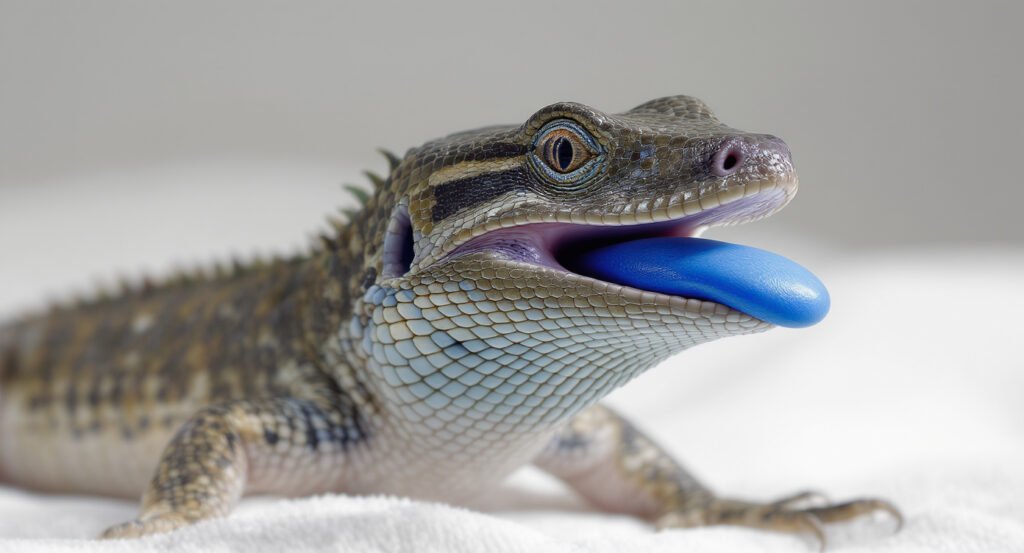
When your blue-tongued skink refuses food, it’s natural to feel concerned. These popular pet reptiles are typically enthusiastic eaters, so a loss of appetite often signals an underlying issue that needs attention. Understanding why your skink isn’t eating is the first step toward getting them back to their healthy, food-motivated self.
Common Reasons Your Blue-Tongued Skink Won’t Eat
Blue-tongued skinks can stop eating for various reasons, ranging from benign environmental factors to health concerns requiring veterinary care. Let’s explore the most common causes.
1. Incorrect Temperature
Temperature is critical for reptile digestion and appetite. Blue-tongued skinks require a basking spot of 95-100°F (35-38°C) and a cool side around 75-80°F (24-27°C). Without proper heat, their metabolism slows dramatically, making them uninterested in food.
- Check your thermometers are accurate and properly placed
- Ensure the basking bulb provides adequate warmth
- Verify nighttime temperatures don’t drop too low
- Use a thermostat to maintain consistent temperatures
2. Brumation (Seasonal Dormancy)
In late fall and winter, many blue-tongued skinks naturally enter brumation, a hibernation-like state. During this period, they eat less or stop eating entirely for weeks or even months. This is completely normal behavior if your skink is otherwise healthy.
Worried About Your Reptile's Health?
Upload a photo and get instant AI health analysis. Catch problems before they become expensive vet bills.
Get Free Health Check →Signs of brumation include increased sleeping, reduced activity, and loss of appetite despite proper husbandry. If your skink is maintaining weight and shows no signs of illness, brumation is likely the cause.
3. Stress from Environmental Changes
Blue-tongued skinks are sensitive to changes in their environment. Recent stressors can suppress appetite:
- Moving to a new enclosure
- Changes in cage location or lighting schedule
- New tank mates or household pets
- Excessive handling or noise
- Lack of hiding spots creating feelings of vulnerability
Give your skink time to adjust—appetite often returns within 1-2 weeks once they acclimate.
4. Shedding Cycle
Many blue-tongued skinks reduce or stop eating in the days leading up to a shed. Their skin becomes dull, eyes may appear cloudy, and they become less active. This is temporary, and appetite returns shortly after the shed completes.
Never Miss Early Warning Signs
AI photo analysis catches subtle health issues humans miss 80% of the time. Early detection = healthier reptile + lower vet bills.
Start Free Trial →5. Illness or Parasites
Persistent refusal to eat combined with other symptoms may indicate illness:
- Respiratory infections (wheezing, mucus, open-mouth breathing)
- Internal parasites (weight loss, abnormal feces)
- Metabolic bone disease (lethargy, tremors, deformities)
- Impaction from improper substrate or large prey items
If your skink hasn’t eaten for more than 2-3 weeks (outside of brumation) or shows concerning symptoms, consult a reptile veterinarian immediately.
6. Improper Diet or Food Preferences
Blue-tongued skinks can be surprisingly picky. If you’ve recently changed their diet or if they’ve been eating the same thing for too long, they might refuse food out of boredom or preference.
- Offer variety: vegetables, fruits, protein sources, and commercial skink food
- Try different food temperatures (some prefer slightly warmed food)
- Experiment with presentation—chopping food smaller or mixing items
- Ensure food items are appropriate size (nothing larger than the space between their eyes)
7. Breeding Season Behavior
Adult blue-tongued skinks, particularly males, may eat less during breeding season (spring and early summer). Hormonal changes can temporarily suppress appetite even in solitary skinks.
Join thousands of successful reptile owners
Try ReptileCoach Free →Step-by-Step Troubleshooting Guide
When your blue-tongued skink stops eating, follow these steps:
- Verify temperatures: Double-check your basking and ambient temperatures with accurate thermometers
- Review husbandry: Ensure proper UVB lighting, humidity (40-50%), and enclosure size (minimum 40 gallons for adults)
- Check for signs of illness: Look for lethargy, abnormal feces, discharge, or behavioral changes
- Consider the season: Determine if brumation might be occurring
- Reduce stress: Minimize handling and ensure adequate hiding spots
- Offer variety: Try different food items to stimulate appetite
- Monitor weight: Weigh your skink weekly to track any losses
- Seek veterinary care: If appetite doesn’t return in 2-3 weeks or other symptoms appear
When to See a Veterinarian
Consult a reptile-experienced veterinarian if your blue-tongued skink:
- Hasn’t eaten for more than 3 weeks (outside brumation)
- Is losing significant weight
- Shows signs of illness or pain
- Has abnormal feces or hasn’t defecated in weeks
- Displays behavioral changes like aggression or extreme lethargy
Track Your Skink’s Health with ReptileCoach
Monitoring your blue-tongued skink’s feeding schedule, weight, and health patterns is essential for catching problems early. The ReptileCoach app makes it easy to log feedings, track weight changes, schedule reminders for husbandry tasks, and identify concerning trends before they become serious issues. Whether you’re managing brumation or troubleshooting appetite problems, having detailed records helps you and your veterinarian make informed decisions. Download ReptileCoach today and take the guesswork out of reptile care.
Prevention Tips for Healthy Appetite
Maintain your blue-tongued skink’s appetite with these best practices:
"This app saved my bearded dragon's life. The AI caught early MBD in photos I thought looked completely normal. Worth every penny!"
— Sarah K., ReptileCoach User
Get Your Free 7-Day Trial →- Maintain consistent temperatures and lighting schedules
- Provide a varied, nutritionally complete diet
- Ensure proper UVB exposure (10-12 hours daily with appropriate bulb strength)
- Keep the enclosure clean to prevent bacterial or parasitic infections
- Allow your skink to brumate naturally if they show signs
- Schedule annual veterinary checkups
- Minimize unnecessary stress and handling
Final Thoughts
A blue-tongued skink refusing food is concerning, but often has a straightforward solution. By systematically addressing temperature, environment, health, and diet, most appetite issues resolve within a few weeks. Remember that temporary fasting during brumation or shedding is normal, but persistent refusal to eat warrants professional evaluation. With proper care and attention to their needs, your blue-tongued skink will likely return to their characteristically eager eating habits.
Ready to Give Your Reptile the Best Care?
Stop guessing and start knowing. Get personalized AI-powered care guidance, photo health analysis, and 24/7 expert advice for YOUR specific reptile.
Get Personalized Care Guidance
AI-powered photo analysis and daily care tracking for YOUR reptile
Try Free for 7 Days →