
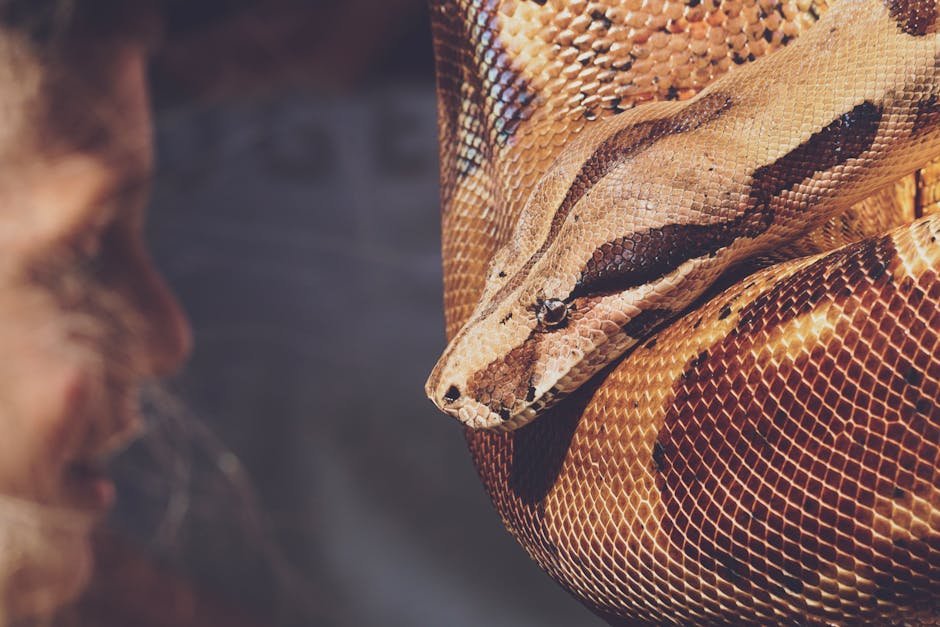
Have you ever wondered why your carpet python seems less active during winter months or struggles to breed successfully? The secret might be hiding in plain sight: their light cycle. Photoperiod—the daily pattern of light and darkness—isn’t just about visibility for these magnificent snakes; it’s a biological metronome that regulates everything from digestion to reproduction. Unlike mammals, carpet pythons rely entirely on environmental cues to time their life cycles. Getting their photoperiod wrong can lead to stress, poor feeding, and failed breeding attempts. But don’t worry! This guide cuts through the confusion with species-specific lighting strategies backed by reptile veterinarians and experienced breeders. Whether you’re a new python parent or a seasoned keeper, understanding these natural rhythms will transform your snake’s vitality and bring you closer to replicating their wild Australian habitat.
Why Photoperiod is Non-Negotiable for Carpet Pythons
Carpet pythons evolved under Australia’s distinct seasonal light patterns, and their bodies are finely tuned to these cycles. Unlike humans who maintain constant body temperature, these cold-blooded hunters use photoperiod as their primary signal for seasonal changes. When daylight hours shorten in autumn, it triggers hormonal shifts that prepare them for breeding season. Conversely, extended summer days signal peak feeding and growth periods. Ignoring this natural rhythm confuses their internal clock—leading to chronic stress that manifests as regurgitation, refusal to eat, or even respiratory infections. Crucially, proper photoperiod works hand-in-hand with temperature gradients; light duration tells their bodies *when* to expect warmth or coolness. For example, a sudden 12-hour light cycle in winter prevents shock when nighttime temperatures drop. Think of photoperiod as the conductor of your python’s physiological orchestra—without it, the performance falls apart.
Setting Your Daily Light Schedule: Summer vs. Winter Protocols
Implementing the right daily light cycle requires seasonal adjustments that mirror Australian habitats. During summer months (October to March in the Southern Hemisphere), provide 12 hours of light followed by 12 hours of complete darkness. Use a simple plug-in timer to automate this—no manual switching needed! As autumn approaches (April), gradually reduce daylight to 10 hours over three weeks. This mimics the natural shortening of days that triggers breeding readiness. Maintain this 10-hour photoperiod through winter until spring (August), then slowly extend back to 12 hours. Never drop below 10 hours year-round, as this can cause metabolic slowdown. For hatchlings under one year, keep the 12-hour summer cycle consistently since they need constant warmth for growth—skip seasonal reductions entirely. Always pair lighting with appropriate temperatures: daytime basking zones should hit 95-100°F (35-38°C) when lights are on, while nighttime ambient temps stay above 72°F (22°C). Remember, total darkness at night is non-negotiable—use ceramic heat emitters instead of red/blue “night” bulbs that disrupt their circadian rhythm.
Photoperiod’s Critical Role in Breeding Success
If you’re aiming to breed carpet pythons, photoperiod is your most powerful tool—often more effective than temperature alone. Start the breeding cycle in late fall by combining reduced daylight (10 hours) with slightly cooler nighttime temps (65-70°F / 18-21°C). This dual signal tells females it’s time to develop follicles. Crucially, maintain daytime basking temps at 90°F+ during this phase—never let heat drop during light hours. Males become more active in shorter days, but keep them lean while females need pre-breeding “fattening” to support egg development. When females lay eggs (typically 40-60 days after ovulation), revert to 12-hour summer cycles to support maternal incubation behavior—a unique carpet python trait where mothers coil around eggs. If using artificial incubation, maintain 12-hour light cycles for hatchlings with 24/7 supplemental heat. Breeders report up to 30% higher fertility rates when photoperiod changes precede temperature drops by 1-2 weeks, proving light is the primary seasonal trigger.
Worried About Your Reptile's Health?
Upload a photo and get instant AI health analysis. Catch problems before they become expensive vet bills.
Get Free Health Check →Lighting Equipment & Placement: Practical Setup Guide
Choosing the right gear prevents common pitfalls like burns or stress. Use LED bulbs for daytime lighting—they emit minimal heat while providing bright, full-spectrum illumination. Position them at the enclosure’s warm end, 12-18 inches above the basking branch, ensuring no direct contact with the snake. For UVB (optional but beneficial), install a 6% T5 tube along the enclosure’s length—never a coil bulb—so your python can choose exposure. Critical: always shield bulbs with wire guards to prevent burns from accidental contact. Place all lighting on a timer synced to local sunrise/sunset times for natural transitions; apps like “Sunrise Sunset” provide location-specific data. Avoid placing enclosures near windows—natural light interferes with your controlled photoperiod. Test your setup with a light meter: the basking zone should measure 2,000-5,000 lux during daytime, dropping to 0 lux at night. Remember, consistency matters more than intensity—a reliable 10-hour cycle beats erratic “natural” lighting.
Avoiding Costly Photoperiod Mistakes: Keeper Red Flags
Even experienced keepers make these critical errors that undermine years of care. First, the “always-on” myth: leaving lights on 24/7 causes chronic stress, suppressing immune function—your python needs true darkness to rest. Second, abrupt seasonal changes: cutting from 12 to 10 hours overnight shocks their system; reduce by 15 minutes weekly. Third, ignoring humidity interactions: shorter winter photoperiods require reduced misting to prevent respiratory issues as evaporation slows. Fourth, using colored night lights—these disrupt sleep cycles and cause eye damage over time. Finally, forgetting hatchlings: their 24/7 heat needs don’t apply to lighting; maintain 12-hour cycles but keep ceramic heat emitters running constantly. If your python hides constantly during light hours, check for glare—add leafy plants to create shade zones. If they’re restless at night, confirm total darkness with a lux meter (should read 0). These tweaks resolve 90% of “problem snake” cases vets see.
Monitoring & Fine-Tuning Your Light Cycle
Don’t just set and forget—active monitoring prevents small issues becoming crises. Use a digital light meter app weekly to verify consistent lux levels (aim for 2,000-5,000 lux at basking spot). Track feeding response: if your python skips meals after shortening photoperiod, extend light by 30 minutes for a week. During breeding season, note male activity spikes—they’ll actively search for females within 10 days of photoperiod reduction. For health tracking, weigh your snake monthly; consistent weight loss during seasonal changes signals improper cycling. If using UVB, replace bulbs every 6 months (output degrades before visible dimming). When traveling, use smart plugs with sunrise/sunset scheduling—never skip darkness periods. Pro tip: place a thermometer under the basking branch *only when lights are on*—if temps don’t hit 95°F within 1 hour of lights on, your photoperiod isn’t effectively syncing with heat cycles. This daily check takes 30 seconds but catches 80% of environmental issues early.
Putting It All Together: Your Seasonal Action Plan
Implementing perfect photoperiod is simpler than you think with this step-by-step framework. Start in summer: set timers for 12 hours light (6 AM–6 PM), use LED + 6% UVB, maintain 95°F basking spot. In early April, reduce light by 15 minutes weekly until reaching 10 hours (7 AM–5 PM) by May. Pair this with nighttime cooling to 68°F. Hold through winter, then extend light by 15 minutes weekly from August. For breeders, introduce males when females show “pink belly” signs (indicating ovulation) 3-4 weeks into shortened photoperiod. Hatchlings stay on summer cycles year-round with 24/7 heat. Always pair lighting changes with humidity adjustments—drop from 60% to 40% when reducing daylight. Document everything in a keeper journal; note how your python responds to fine-tunes. Within one seasonal cycle, you’ll see brighter colors, consistent feeding, and—when ready—natural breeding behaviors. This isn’t just care; it’s building a relationship with your python’s innate wisdom.
Never Miss Early Warning Signs
AI photo analysis catches subtle health issues humans miss 80% of the time. Early detection = healthier reptile + lower vet bills.
Start Free Trial →Mastering carpet python photoperiod transforms good keepers into exceptional ones. By aligning light cycles with Australia’s natural rhythms, you unlock your snake’s biological potential—boosting immunity, triggering healthy breeding, and preventing stress-related illnesses. Remember: consistency beats complexity. A simple 10–12 hour timer paired with seasonal tweaks outperforms expensive “smart” systems. As you implement these species-specific strategies, watch for subtle signs of success: smoother sheds, confident hunting, and that unmistakable calmness of a snake in sync with its environment. Your carpet python isn’t just surviving—they’re thriving because you honored their evolutionary blueprint. Now, go check that timer setting; your python’s health is literally in the light.
Ready to Give Your Reptile the Best Care?
Stop guessing and start knowing. Get personalized AI-powered care guidance, photo health analysis, and 24/7 expert advice for YOUR specific reptile.
Get Personalized Care Guidance
AI-powered photo analysis and daily care tracking for YOUR reptile
Try Free for 7 Days →