
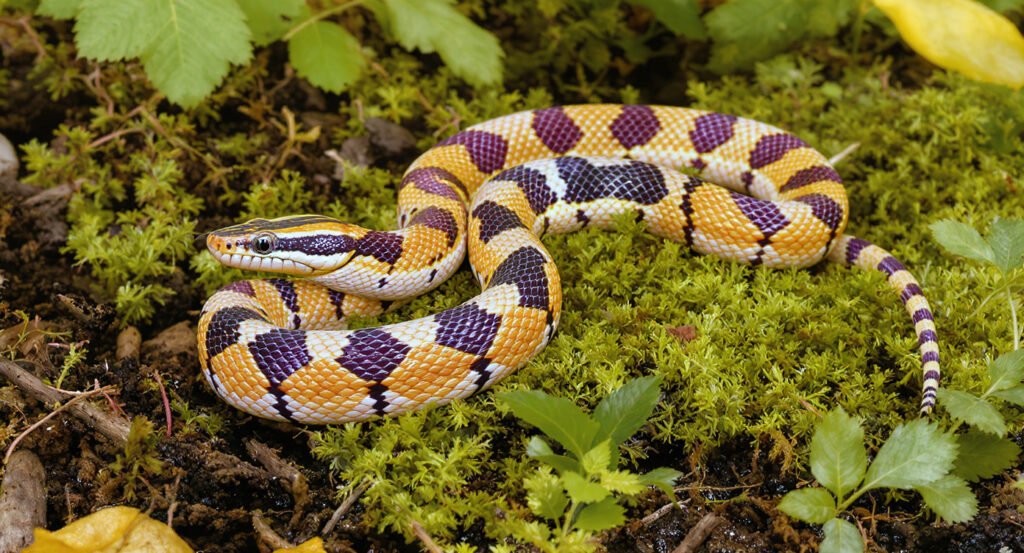
Garter snakes are among the most popular pet snakes for beginners and experienced reptile keepers alike. These docile, hardy creatures make excellent companions and require relatively simple care compared to many other snake species. Whether you’re considering your first garter snake or looking to improve your current care routine, this comprehensive guide covers everything you need to know.
Understanding Garter Snakes
Garter snakes (Thamnophis species) are small to medium-sized snakes native to North America. They typically grow between 18 to 26 inches in length, though some species can reach up to 4 feet. Known for their distinctive striped patterns and generally calm temperament, these snakes adapt well to captivity when provided with proper care.
Setting Up the Perfect Enclosure
Tank Size and Type
A 20-gallon long tank is the minimum recommended size for an adult garter snake, though a 30-40 gallon enclosure provides more space for enrichment. Juvenile snakes can start in smaller tanks (10-15 gallons) but will need upgrades as they grow. Glass aquariums with secure screen tops work well, as do PVC reptile enclosures with proper ventilation.
Substrate Options
Choose substrates that maintain humidity while being safe if accidentally ingested. Cypress mulch, aspen shavings, and coconut husk fiber are excellent choices. Avoid cedar and pine, as these contain oils toxic to reptiles. Paper towels work well for quarantine or temporary setups and make cleaning easier.
Worried About Your Reptile's Health?
Upload a photo and get instant AI health analysis. Catch problems before they become expensive vet bills.
Get Free Health Check →Temperature and Lighting
Garter snakes are ectothermic and need a temperature gradient in their enclosure. Create a warm side basking spot of 85-90°F and a cool side around 70-75°F. Use under-tank heaters or ceramic heat emitters controlled by thermostats to maintain these temperatures. While garter snakes don’t require UVB lighting like many other reptiles, providing a low-level UVB bulb (5.0) can promote natural behaviors and overall health.
Feeding Your Garter Snake
Diet Basics
In the wild, garter snakes eat a varied diet including earthworms, fish, amphibians, and small rodents. In captivity, most keepers feed a combination of earthworms and appropriately-sized fish (such as rosy red minnows or silversides). Some garter snakes will also accept frozen-thawed pinky mice, which provide excellent nutrition.
Feeding Schedule
Juvenile garter snakes should be fed every 2-3 days, while adults can be fed twice weekly. Offer prey items that are no wider than the thickest part of your snake’s body. Always provide fresh, dechlorinated water in a bowl large enough for your snake to soak in, as garter snakes enjoy bathing.
Nutritional Supplements
Dust prey items with calcium powder once or twice a week, and add a reptile multivitamin supplement once weekly. Fish-based diets may require thiaminase considerations—whole prey fish like silversides are preferable to filleted fish.
Never Miss Early Warning Signs
AI photo analysis catches subtle health issues humans miss 80% of the time. Early detection = healthier reptile + lower vet bills.
Start Free Trial →Habitat Maintenance and Enrichment
Hiding Spots and Decor
Provide at least two hiding spots—one on the warm side and one on the cool side of the enclosure. Commercial reptile hides, cork bark, or even cardboard boxes work well. Add climbing branches and artificial or live plants to create a stimulating environment that encourages natural behaviors.
Humidity Requirements
Garter snakes thrive in moderate humidity levels between 40-60%. Maintain humidity by misting the enclosure lightly every few days and providing a humid hide filled with moist sphagnum moss. This is especially important during shedding periods.
Cleaning Schedule
Spot-clean waste and uneaten food daily. Replace water daily. Perform a complete substrate change and thorough tank cleaning monthly using reptile-safe disinfectants. Always rinse thoroughly and allow the enclosure to dry before returning your snake.
Health and Handling
Common Health Issues
Garter snakes are generally hardy, but watch for signs of respiratory infections (wheezing, mucus around the nose), parasites (weight loss, regurgitation), and skin issues. Stuck shed can occur if humidity is too low. Regular health checks and maintaining proper husbandry prevent most problems.
Join thousands of successful reptile owners
Try ReptileCoach Free →Safe Handling Practices
Garter snakes are generally docile but may musk (release a foul-smelling secretion) when first handled. Handle your snake gently and confidently, supporting its body. Start with short sessions (5-10 minutes) a few times weekly. Never handle your snake for 24-48 hours after feeding.
Breeding Considerations
If you’re interested in breeding garter snakes, know that they are livebearers and females can produce 10-40 babies per litter. Breeding requires a cooling period (brumation) and specialized knowledge. Research thoroughly before attempting to breed, as you’ll need to care for many offspring.
Take Your Garter Snake Care to the Next Level
Caring for a garter snake is a rewarding experience that teaches responsibility and provides years of companionship. To track your snake’s feeding schedule, growth, shedding cycles, and health records with ease, check out the ReptileCoach app. Our digital care tools help you stay organized and ensure your garter snake receives optimal care every day.
Final Thoughts
Garter snakes make wonderful pets for reptile enthusiasts of all experience levels. With proper housing, nutrition, and care, your garter snake can live 10-15 years or more in captivity. Start with the basics outlined in this guide, observe your individual snake’s preferences and behaviors, and adjust care as needed. Remember that every snake is unique, and building a relationship with your pet through consistent, gentle interaction will result in a trusting and healthy companion.
"This app saved my bearded dragon's life. The AI caught early MBD in photos I thought looked completely normal. Worth every penny!"
— Sarah K., ReptileCoach User
Get Your Free 7-Day Trial →Ready to Give Your Reptile the Best Care?
Stop guessing and start knowing. Get personalized AI-powered care guidance, photo health analysis, and 24/7 expert advice for YOUR specific reptile.
Get Personalized Care Guidance
AI-powered photo analysis and daily care tracking for YOUR reptile
Try Free for 7 Days →