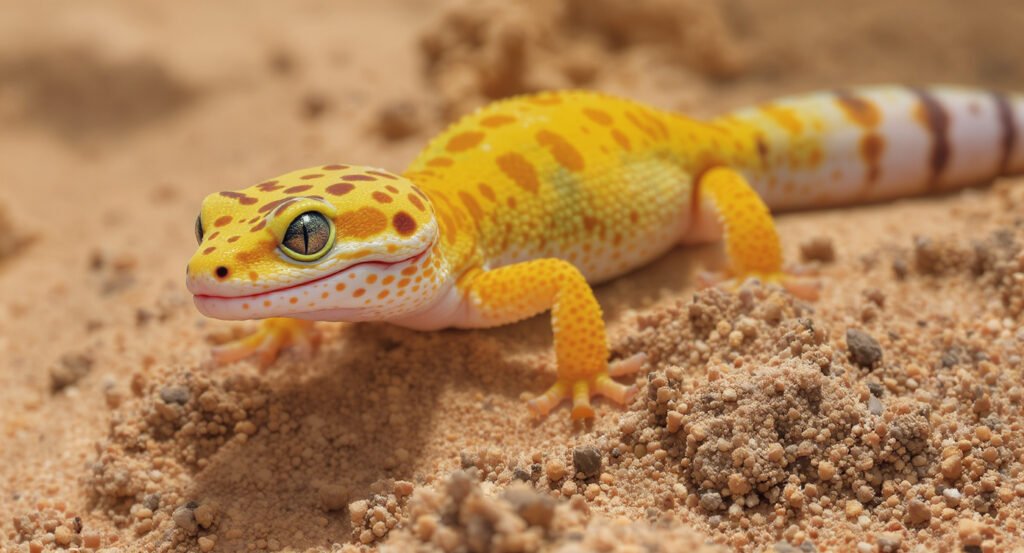
Gecko morphs represent one of the most fascinating aspects of reptile keeping, offering stunning color variations and patterns that have captivated enthusiasts for decades. Whether you’re a beginner exploring your first gecko or an experienced breeder planning your next project, understanding gecko morphs is essential for making informed decisions about care, breeding, and acquisition.
What Are Gecko Morphs?
A gecko morph is a genetic variation that produces distinct visual traits different from the wild-type appearance. These variations occur through selective breeding, capturing naturally occurring mutations and combining them to create entirely new color patterns and physical characteristics.
Morphs can affect coloration, pattern, eye color, and even scale texture. Some morphs are relatively common and affordable, while rare designer morphs can command premium prices due to their unique genetics and visual appeal.
Understanding Gecko Morph Genetics
Before diving into specific morphs, it’s helpful to understand basic genetic inheritance patterns that determine how traits pass from parents to offspring.
Worried About Your Reptile's Health?
Upload a photo and get instant AI health analysis. Catch problems before they become expensive vet bills.
Get Free Health Check →Dominant Morphs
Dominant morphs require only one copy of the gene to display the trait visually. When you breed a dominant morph to a normal gecko, approximately 50% of offspring will display the morph. Examples include the White and Yellow leopard gecko morph.
Recessive Morphs
Recessive morphs require two copies of the gene (one from each parent) to be visible. Geckos carrying one copy are called heterozygous or “het” and appear normal but can produce morph offspring when bred appropriately. Popular recessive morphs include albino strains and blizzard leopard geckos.
Co-Dominant Morphs
Co-dominant morphs show different visual results depending on whether the gecko has one or two copies of the gene. The super form (two copies) typically looks distinctly different from the single-gene form. Mack Snow leopard geckos demonstrate co-dominant inheritance.
Popular Leopard Gecko Morphs
Leopard geckos offer the most extensive variety of morphs in the gecko world, with hundreds of combinations available.
Never Miss Early Warning Signs
AI photo analysis catches subtle health issues humans miss 80% of the time. Early detection = healthier reptile + lower vet bills.
Start Free Trial →Albino Strains
Three distinct albino strains exist in leopard geckos: Tremper, Bell, and Rainwater. Each produces reduced melanin, resulting in lighter coloration with varying degrees of pink, orange, and yellow tones. Albinos have distinctive red or ruby eyes and require slightly dimmer lighting than normal leopard geckos.
Blizzard and Midnight Blizzard
Blizzard morphs lack pattern entirely, displaying solid coloration ranging from yellow to gray to white. Midnight Blizzards are a darker variation with deep charcoal coloring. These morphs are recessive and create striking visual impact in any collection.
Enigma Morph
The Enigma morph features random white and colored spotting with distinctive patterns. However, this morph carries a neurological component called Enigma Syndrome that can cause balance issues and circling behavior. Ethical breeders carefully consider these factors when working with Enigmas.
Tangerine and Blood Morphs
These line-bred morphs emphasize intense orange and red coloration. They’re selectively bred rather than single-gene mutations, meaning quality varies significantly between bloodlines. Top-quality tangerines display solid orange coverage with minimal pattern.
Join thousands of successful reptile owners
Try ReptileCoach Free →Black Night and Melanistic
These morphs maximize melanin production, creating dark, nearly black geckos with reduced pattern visibility. They represent the opposite end of the spectrum from albinos and create dramatic visual contrast.
Crested Gecko Morphs and Traits
Crested gecko morphs focus on color, pattern, and structural traits rather than single-gene mutations.
Color Morphs
Crested geckos come in base colors including red, orange, yellow, cream, and various browns. Darker morphs like buckskin and olive add depth, while extreme reds and flames command premium prices for their intensity.
Pattern Types
Common crested gecko patterns include flame (dorsal stripe), harlequin (lateral pattern), tiger (banding), and pinstripe (raised dorsal scales). Many geckos display combination patterns like flame harlequins.
"This app saved my bearded dragon's life. The AI caught early MBD in photos I thought looked completely normal. Worth every penny!"
— Sarah K., ReptileCoach User
Get Your Free 7-Day Trial →Structural Traits
Traits like extreme pinstripes, super dalmatian spots, and lilly white (partial leucism) add unique characteristics. These can be combined with color and pattern traits for exceptional visual results.
African Fat-Tailed Gecko Morphs
African fat-tailed geckos share genetic similarities with leopard geckos and offer morphs including albino strains (Tremper line), oreos (leucistic), ghost (hypomelanistic), and various pattern variations. Their morph market is smaller but growing steadily.
Caring for Different Gecko Morphs
Most morphs require identical care to wild-type geckos, but some considerations apply to specific morphs.
Albino and Leucistic Morphs
These lighter-colored morphs can be more sensitive to bright lighting. Provide adequate shade and avoid intense basking bulbs positioned directly over their enclosure. Their reduced pigmentation doesn’t affect their vision significantly, but they may prefer dimmer environments.
Worried About Your Reptile's Health?
Upload a photo and get instant AI health analysis. Catch problems before they become expensive vet bills.
Get Free Health Check →Morphs with Known Issues
Certain morphs like Enigma leopard geckos or lemon frost geckos (which develop tumors) require extra monitoring. Research any morph thoroughly before purchasing to understand potential health considerations. You can track your pet’s feeding schedule with the ReptileCoach app to monitor for any changes in behavior or appetite that might indicate health issues.
General Morph Care
Regardless of morph, maintain proper temperature gradients, humidity levels, calcium supplementation, and appropriate enclosure size. Genetics affect appearance, not fundamental care requirements.
Choosing the Right Gecko Morph
When selecting a gecko morph, consider these factors:
- Budget: Prices range from $30 for common morphs to thousands for rare designer combinations
- Availability: Some morphs are readily available while others require waiting for specific breeding projects
- Health history: Research whether the morph has associated health concerns
- Personal preference: Choose a gecko whose appearance genuinely appeals to you
- Breeding goals: If planning to breed, understand the genetics involved in your chosen morphs
Ethical Breeding Considerations
Responsible gecko breeding prioritizes animal welfare alongside aesthetics. Avoid breeding morphs with known severe health issues, maintain genetic diversity to prevent inbreeding depression, and ensure all offspring have appropriate homes arranged before breeding.
Never Miss Early Warning Signs
AI photo analysis catches subtle health issues humans miss 80% of the time. Early detection = healthier reptile + lower vet bills.
Start Free Trial →The gecko morph world continues evolving as breeders discover new mutations and create innovative combinations. Whether you prefer the classic beauty of a normal gecko or the striking appearance of a complex designer morph, understanding genetics and proper care ensures your gecko thrives regardless of its coloration.
Ready to Give Your Reptile the Best Care?
Stop guessing and start knowing. Get personalized AI-powered care guidance, photo health analysis, and 24/7 expert advice for YOUR specific reptile.
Get Personalized Care Guidance
AI-powered photo analysis and daily care tracking for YOUR reptile
Try Free for 7 Days →