
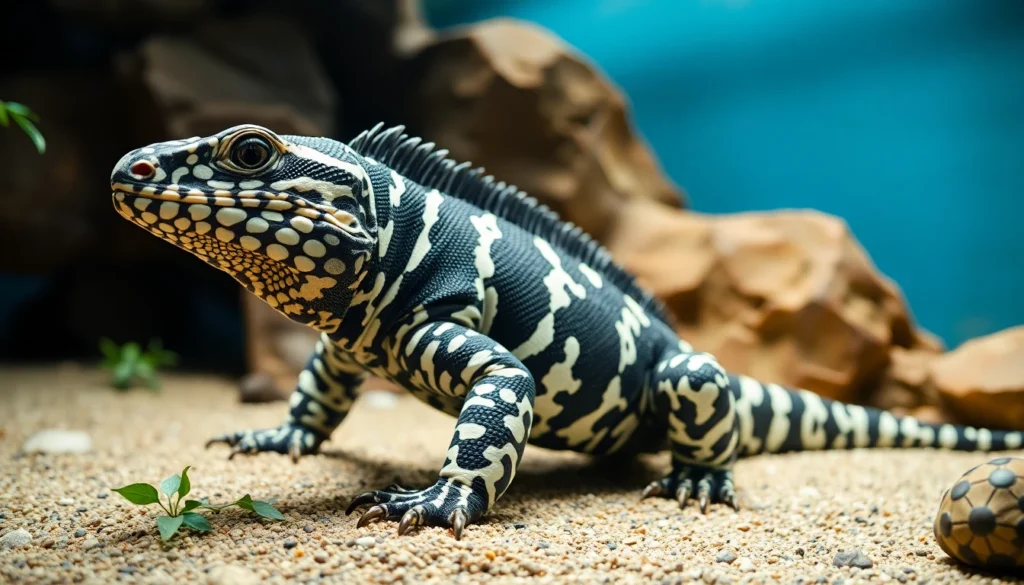
Tegus are among the most intelligent and personable lizards you can keep as pets. These large, powerful reptiles from South America have captured the hearts of reptile enthusiasts worldwide with their dog-like personalities and impressive size. Whether you’re considering your first tegu or looking to refine your care routine, this comprehensive guide covers everything you need to know.
Understanding Tegu Species
The two most common tegu species in captivity are the Argentine Black and White Tegu and the Red Tegu. Argentine tegus are typically more docile and can reach 4-5 feet in length, while red tegus are slightly smaller but equally captivating. Both species require similar care, though individual personalities vary significantly.
Enclosure Requirements
Adult tegus need substantial space to thrive. A minimum enclosure size of 8 feet long by 4 feet wide by 4 feet tall is recommended for adults, though bigger is always better. Juvenile tegus can start in smaller enclosures like 40-gallon tanks, but they grow rapidly and will need upgrades within their first year.
Your enclosure should include:
Worried About Your Reptile's Health?
Upload a photo and get instant AI health analysis. Catch problems before they become expensive vet bills.
Get Free Health Check →- A secure lid or door system, as tegus are strong and intelligent escape artists
- Multiple hiding spots on both warm and cool ends
- A large water dish for soaking and drinking
- Climbing branches or platforms for enrichment
- Deep substrate for digging and burrowing behavior
Temperature and Lighting
Proper temperature gradients are critical for tegu health. The basking spot should reach 100-110°F, while the cool end should stay around 75-80°F. Nighttime temperatures can drop to 70-75°F. Use quality thermometers to monitor temperatures accurately at multiple points in the enclosure.
Tegus require UVB lighting to synthesize vitamin D3 and properly metabolize calcium. Provide a high-output UVB bulb (10-12% UVB) for 10-12 hours daily. Replace bulbs every 6-12 months even if they still produce visible light, as UVB output diminishes over time.
Substrate and Humidity
Tegus are natural burrowers and need deep substrate to express this behavior. A mixture of cypress mulch, coconut coir, and topsoil works well, providing 12-18 inches of depth. This substrate mix also helps maintain the 60-80% humidity levels tegus require.
Monitor humidity with a reliable hygrometer and mist the enclosure as needed. Proper humidity is essential for healthy shedding and respiratory function.
Never Miss Early Warning Signs
AI photo analysis catches subtle health issues humans miss 80% of the time. Early detection = healthier reptile + lower vet bills.
Start Free Trial →Diet and Nutrition
Tegus are omnivores with hearty appetites. A balanced diet includes:
- Whole prey items like mice, rats, chicks, and fish
- Ground turkey or chicken (occasionally)
- Eggs (a favorite treat)
- Fruits like berries, melons, and bananas
- Vegetables such as squash, bell peppers, and leafy greens
Juveniles should eat daily with a protein-heavy diet (70% protein, 30% produce), while adults can be fed 3-4 times weekly with a more balanced ratio (50/50). Always dust food with calcium powder and provide a multivitamin supplement weekly.
Handling and Temperament
Tegus are known for their intelligence and ability to recognize their owners. With regular, gentle handling from a young age, most tegus become quite tame and even seek out interaction. However, they’re powerful animals with strong jaws, so always respect their body language.
Start handling sessions short and gradually increase duration as trust builds. Never grab a tegu from above, as this mimics predator behavior. Instead, scoop from below and support their entire body. Some tegus enjoy being out of their enclosure for supervised exploration time.
Join thousands of successful reptile owners
Try ReptileCoach Free →Brumation Cycle
In their natural habitat, tegus undergo brumation (reptile hibernation) during cooler months. Captive tegus often maintain this instinct, becoming less active and eating less or not at all for 2-4 months, typically during winter. This is normal and healthy behavior.
Before brumation, ensure your tegu is healthy and well-fed. During brumation, reduce temperatures slightly, maintain water availability, and minimize disturbances. Your tegu will emerge when ready, usually with a voracious appetite.
Health Considerations
Common health issues in tegus include metabolic bone disease (from inadequate UVB or calcium), respiratory infections (from improper humidity or temperatures), and obesity (from overfeeding). Regular veterinary checkups with a reptile-experienced vet are essential.
Watch for signs of illness such as lethargy, loss of appetite, labored breathing, or abnormal feces. Early intervention is key to successful treatment.
"This app saved my bearded dragon's life. The AI caught early MBD in photos I thought looked completely normal. Worth every penny!"
— Sarah K., ReptileCoach User
Get Your Free 7-Day Trial →Track Your Tegu’s Care
Managing all aspects of tegu care can be challenging, from feeding schedules to temperature monitoring and health records. The ReptileCoach App helps you stay organized with care reminders, growth tracking, and personalized guidance for your tegu’s specific needs.
Final Thoughts
Tegus are rewarding pets for dedicated reptile keepers willing to provide proper care and space. Their intelligence, personality, and impressive presence make them stand out in the reptile world. With the right setup, diet, and attention, your tegu can thrive for 15-20 years, becoming a truly remarkable companion.
Ready to Give Your Reptile the Best Care?
Stop guessing and start knowing. Get personalized AI-powered care guidance, photo health analysis, and 24/7 expert advice for YOUR specific reptile.
Get Personalized Care Guidance
AI-powered photo analysis and daily care tracking for YOUR reptile
Try Free for 7 Days →