
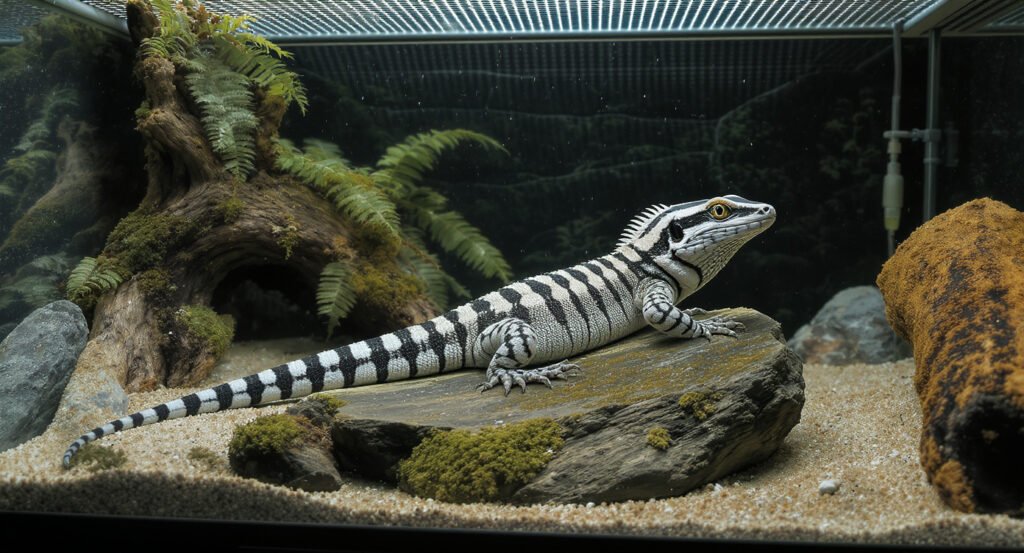
Tegus are among the most intelligent and personable reptiles you can keep as pets, but they require dedicated care and a substantial commitment. These large, powerful lizards from South America have become increasingly popular among experienced reptile keepers, and for good reason—with proper tegu care, these magnificent creatures can become incredibly tame and interactive companions.
This comprehensive tegu care guide will walk you through everything you need to know about keeping these remarkable reptiles healthy and thriving in captivity.
Understanding Tegu Species
Before diving into care requirements, it’s important to understand which tegu species you’re working with. The most common species in the pet trade include:
- Argentine Black and White Tegu – The most popular species, known for their striking coloration and calm temperament
- Red Tegu – Similar to black and whites but with reddish coloration
- Gold Tegu – Features beautiful golden and black patterns
- Colombian Tegu – Smaller than Argentine species but equally captivating
All tegu species share similar care requirements, though size differences may affect enclosure dimensions and food quantities.
Worried About Your Reptile's Health?
Upload a photo and get instant AI health analysis. Catch problems before they become expensive vet bills.
Get Free Health Check →Tegu Enclosure Requirements
Proper housing is the foundation of good tegu care. These large lizards need substantial space to thrive.
Enclosure Size
Adult tegus require spacious enclosures—minimum dimensions of 8 feet long by 4 feet wide by 4 feet tall for Argentine black and white tegus. Hatchlings can start in smaller enclosures (40-gallon tanks), but plan to upgrade as they grow rapidly. Many keepers eventually convert entire rooms or build custom enclosures to provide adequate space.
Substrate Options
Choose substrates that allow for natural digging behavior and maintain humidity:
- Cypress mulch – Excellent moisture retention and natural appearance
- Coconut coir – Safe, digestible if accidentally ingested
- Topsoil and sand mixture – Ideal for burrowing, mimics natural habitat
- Avoid cedar, pine, and other aromatic woods that can cause respiratory issues
Provide substrate depth of at least 6-12 inches to accommodate your tegu’s natural burrowing instincts.
Never Miss Early Warning Signs
AI photo analysis catches subtle health issues humans miss 80% of the time. Early detection = healthier reptile + lower vet bills.
Start Free Trial →Temperature and Lighting for Tegus
Proper thermal regulation is critical in any tegu care routine.
Temperature Gradients
Create a thermal gradient with these temperature zones:
- Basking spot: 100-110°F (38-43°C)
- Warm side: 85-95°F (29-35°C)
- Cool side: 75-80°F (24-27°C)
- Nighttime: 70-75°F (21-24°C)
UVB Lighting
High-quality UVB lighting is non-negotiable for tegu health. Use a 10-12% UVB bulb spanning at least half the enclosure length. Replace bulbs every 6-12 months even if they still produce visible light, as UVB output diminishes over time. Provide a 12-14 hour light cycle during active months.
Feeding Your Tegu: A Balanced Diet
Tegus are omnivores with hearty appetites, and proper nutrition is essential for healthy growth and development.
Join thousands of successful reptile owners
Try ReptileCoach Free →Protein Sources
Offer a variety of protein-rich foods:
- Whole prey items (mice, rats, chicks) – 2-3 times weekly for adults
- Ground turkey (raw or cooked)
- Eggs (whole, with shell)
- High-quality canned dog food (occasionally)
- Insects (dubia roaches, superworms, hornworms)
Fruits and Vegetables
Balance protein with plant matter (about 30-40% of diet for adults):
- Leafy greens (collard greens, mustard greens, dandelion)
- Squash and sweet potato
- Berries and melon
- Avoid avocado, rhubarb, and high-oxalate foods
Feeding Schedule
Juveniles should be fed daily, while adults do well with feeding every 2-3 days. Always dust food with calcium powder (without D3 if providing UVB) and a reptile multivitamin according to manufacturer recommendations.
Humidity and Hydration
Maintaining proper humidity levels is a crucial aspect of tegu care that’s often overlooked.
"This app saved my bearded dragon's life. The AI caught early MBD in photos I thought looked completely normal. Worth every penny!"
— Sarah K., ReptileCoach User
Get Your Free 7-Day Trial →Keep humidity between 60-80% by misting the enclosure daily and providing a large water dish for soaking. Tegus love to soak and will often defecate in their water, so clean and refill the dish daily. Monitor humidity with a reliable hygrometer and adjust misting frequency as needed.
Brumation: The Tegu’s Dormancy Period
One unique aspect of tegu care is managing their natural brumation cycle. During winter months (typically November through February), tegus naturally slow down and enter a dormancy period similar to hibernation.
Signs of brumation include:
- Decreased appetite
- Increased sleeping
- Reduced activity levels
- Seeking darker, cooler areas
Allow your tegu to brumate naturally by gradually reducing temperatures and light hours over several weeks. Provide a humid hide box and check on your tegu weekly. Most tegus will emerge in spring ready to eat with renewed vigor.
Worried About Your Reptile's Health?
Upload a photo and get instant AI health analysis. Catch problems before they become expensive vet bills.
Get Free Health Check →Handling and Socialization
Tegus can become remarkably tame with consistent, gentle handling. Start with short sessions (5-10 minutes) several times weekly, gradually increasing duration as your tegu becomes comfortable. Support their entire body and never grab by the tail.
Young tegus may be nippy but typically calm with age and regular interaction. Always wash hands before and after handling to prevent disease transmission.
Health Monitoring and Veterinary Care
Regular health checks are an important part of comprehensive tegu care:
- Monitor for clear eyes, alert behavior, and healthy appetite
- Check for stuck shed, especially around toes and tail tip
- Watch for signs of respiratory infection (wheezing, mucus, gaping)
- Observe feces for parasites or abnormalities
- Schedule annual checkups with a reptile veterinarian
Common Tegu Care Mistakes to Avoid
Even experienced keepers can make errors. Avoid these common pitfalls:
Never Miss Early Warning Signs
AI photo analysis catches subtle health issues humans miss 80% of the time. Early detection = healthier reptile + lower vet bills.
Start Free Trial →- Inadequate enclosure size
- Insufficient UVB exposure
- Poor temperature gradients
- Over-reliance on one food type
- Neglecting regular cleaning and maintenance
- Handling during brumation period
The Long-Term Commitment
Tegus can live 15-20 years in captivity with proper care, making them a significant long-term commitment. Consider the ongoing costs of housing, food, electricity for heating and lighting, and veterinary care before bringing one home.
However, for dedicated reptile enthusiasts willing to provide proper tegu care, these intelligent lizards offer a uniquely rewarding experience unlike any other reptile.
Ready to give your reptile the best care? Try ReptileCoach free — your AI reptile care companion.
Ready to Give Your Reptile the Best Care?
Stop guessing and start knowing. Get personalized AI-powered care guidance, photo health analysis, and 24/7 expert advice for YOUR specific reptile.
Get Personalized Care Guidance
AI-powered photo analysis and daily care tracking for YOUR reptile
Try Free for 7 Days →