
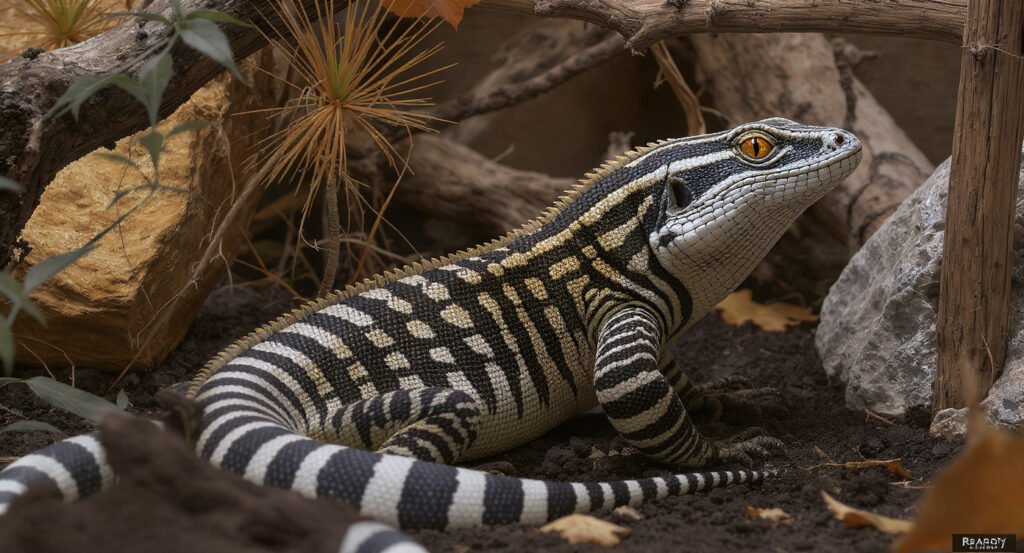
Tegus are among the most intelligent and interactive reptiles you can keep as pets. These large, powerful lizards from South America have captured the hearts of reptile enthusiasts worldwide with their dog-like personalities and remarkable trainability. However, their size and specific care requirements mean they’re not suitable for beginner keepers. This comprehensive guide will walk you through everything you need to know about proper tegu care.
Understanding Tegu Species
Before diving into care requirements, it’s important to understand the different tegu species available in the pet trade:
- Argentine Black and White Tegu (Salvator merianae) – The most common species, reaching 4-5 feet in length
- Red Tegu (Salvator rufescens) – Known for their reddish coloration, similar size to black and whites
- Gold Tegu – A color morph of the Colombian tegu, slightly smaller
- Blue Tegu (Salvator merianae) – A rare and expensive color morph
All species have similar care requirements, though Argentine black and white tegus are most readily available and have the most established care protocols.
Enclosure Requirements
Size and Space
Tegus are large, active lizards that require substantial space. Adult tegus need an enclosure measuring at minimum 8 feet long by 4 feet wide by 4 feet tall. Many keepers dedicate entire rooms or build custom enclosures to meet their tegu’s needs. Young tegus can start in smaller enclosures (4x2x2 feet), but you’ll need to upgrade as they grow rapidly.
Worried About Your Reptile's Health?
Upload a photo and get instant AI health analysis. Catch problems before they become expensive vet bills.
Get Free Health Check →Substrate
The substrate choice is crucial for tegus, as they love to dig and burrow. Recommended options include:
- Cypress mulch (most popular choice)
- Coconut coir
- Topsoil and play sand mixture (70/30 ratio)
- Commercial bioactive substrates
Provide at least 6-8 inches of substrate depth to allow for natural burrowing behavior. Avoid cedar, pine, and other aromatic woods that can cause respiratory issues.
Temperature and Humidity
Temperature Gradients
Tegus are ectothermic and require proper temperature gradients to regulate their body temperature:
- Basking spot: 100-110°F (measured with an infrared thermometer gun)
- Warm side: 85-90°F
- Cool side: 75-80°F
- Nighttime: 70-75°F
Use a combination of heat sources including basking bulbs, ceramic heat emitters, and radiant heat panels. Always use thermostats to prevent overheating and potential burns.
Never Miss Early Warning Signs
AI photo analysis catches subtle health issues humans miss 80% of the time. Early detection = healthier reptile + lower vet bills.
Start Free Trial →Humidity Levels
Maintain humidity between 60-80%, with higher levels during shedding periods. Monitor humidity with reliable hygrometers placed at different levels in the enclosure. Provide a large water bowl for drinking and soaking, and mist the enclosure daily if needed to maintain proper humidity.
Lighting Requirements
Tegus require both UVB lighting and a day/night cycle:
- UVB: Provide high-quality UVB lighting (10-12% UVB tube) spanning at least 2/3 of the enclosure length
- Photoperiod: 12-14 hours of light during active months, reduced to 8-10 hours during brumation
- Replacement: Replace UVB bulbs every 6-12 months depending on manufacturer recommendations
Diet and Nutrition
Tegus are omnivores with hearty appetites. A balanced diet is essential for their health and longevity.
Protein Sources
- Whole prey items (mice, rats, chicks, fish)
- Ground turkey or chicken
- Eggs (raw or cooked)
- Insects (dubia roaches, crickets, hornworms)
- High-quality dog or cat food (occasionally)
Fruits and Vegetables
About 30-40% of an adult tegu’s diet should consist of plant matter:
Join thousands of successful reptile owners
Try ReptileCoach Free →- Leafy greens (collards, mustard greens, turnip greens)
- Squash and bell peppers
- Berries and melons
- Banana and mango (in moderation)
Feeding Schedule
Young tegus (under 2 years) should be fed daily, while adults can be fed every 2-3 days. Always dust food with calcium powder (with D3) at most feedings and use a multivitamin supplement once weekly.
Brumation
In their natural habitat, tegus undergo a hibernation-like state called brumation during winter months. Many captive tegus will also brumate, typically between November and March. During this period, they’ll eat less, become lethargic, and may sleep for extended periods. Gradually reduce temperatures and light hours if your tegu shows signs of brumation, and always provide access to water.
Handling and Socialization
Tegus are known for their intelligence and ability to bond with their owners. Start handling sessions when they’re young, keeping them short and positive. Adult tegus can become quite tame and may enjoy spending time outside their enclosure. Always supervise interactions and be aware that tegus have powerful jaws and sharp claws. Regular, gentle handling from a young age produces the most docile adults.
Health Considerations
Common health issues in tegus include metabolic bone disease (from inadequate UVB or calcium), respiratory infections (from improper temperatures or humidity), and obesity (from overfeeding). Schedule annual check-ups with a reptile veterinarian and watch for signs of illness including lethargy, loss of appetite, abnormal feces, or respiratory distress.
"This app saved my bearded dragon's life. The AI caught early MBD in photos I thought looked completely normal. Worth every penny!"
— Sarah K., ReptileCoach User
Get Your Free 7-Day Trial →Take Your Tegu Care to the Next Level
Caring for a tegu is a rewarding but demanding commitment that requires dedication, space, and resources. While this guide provides comprehensive information, every tegu is unique and may have individual needs. For personalized care advice, feeding schedules tailored to your tegu’s age and size, and expert guidance on health concerns, download the ReptileCoach App. Our community of experienced reptile keepers and veterinary professionals can help you provide the best possible care for your tegu companion.
Ready to Give Your Reptile the Best Care?
Stop guessing and start knowing. Get personalized AI-powered care guidance, photo health analysis, and 24/7 expert advice for YOUR specific reptile.
Get Personalized Care Guidance
AI-powered photo analysis and daily care tracking for YOUR reptile
Try Free for 7 Days →