
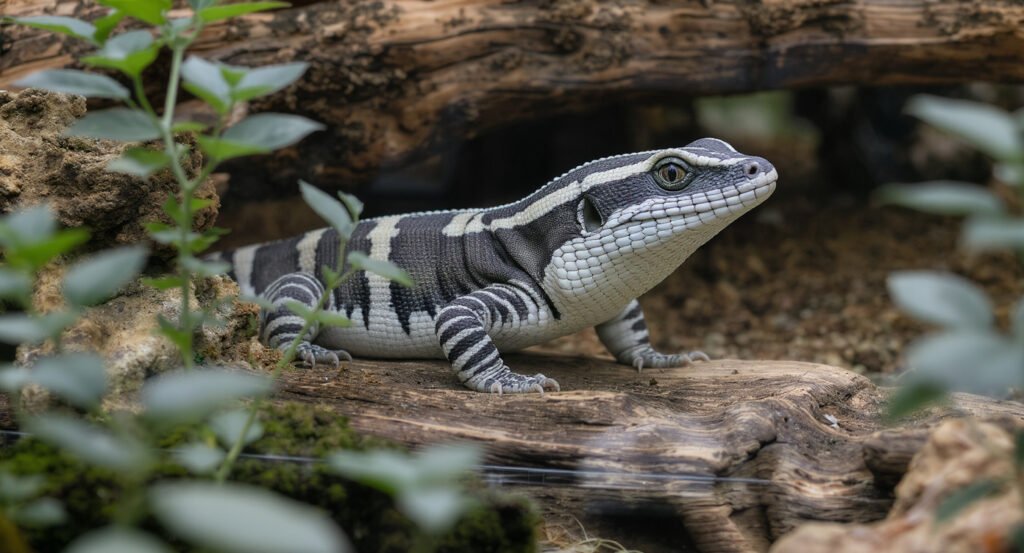
Introduction to Tegu Lizards
Tegus are among the most intelligent and personable reptiles you can keep as pets. These large, omnivorous lizards from South America have captured the hearts of reptile enthusiasts worldwide with their dog-like personalities and impressive size. Whether you’re considering a Argentine Black and White Tegu, Red Tegu, or Gold Tegu, this comprehensive care guide will help you provide the best possible environment for your scaly companion.
Understanding Tegu Species
The most common tegu species in the pet trade is the Argentine Black and White Tegu (Salvator merianae), known for their striking coloration and docile temperament when properly socialized. Red Tegus (Salvator rufescens) and Gold Tegus are also popular choices. Adult tegus can reach 3-5 feet in length and live 15-20 years with proper care, making them a significant long-term commitment.
Tegu Enclosure Requirements
Providing adequate space is crucial for tegu health and happiness. Your tegu’s enclosure needs will grow as they do.
Enclosure Size
Hatchling tegus (0-6 months) can start in a 40-gallon enclosure, but this is temporary. Juvenile tegus (6-18 months) need at least a 6-foot by 3-foot enclosure. Adult tegus require a minimum of 8 feet long by 4 feet wide by 2 feet tall, though larger is always better. Many experienced keepers convert entire rooms or build custom enclosures for their adult tegus.
Worried About Your Reptile's Health?
Upload a photo and get instant AI health analysis. Catch problems before they become expensive vet bills.
Get Free Health Check →Substrate Options
Choose a substrate that allows for natural digging behavior and maintains humidity. Cypress mulch, coconut coir, and organic topsoil mixtures work well. Provide at least 6-12 inches of substrate depth to allow your tegu to burrow, which is essential for their mental and physical well-being. Avoid substrates like sand, walnut shells, or pine/cedar shavings that can cause impaction or respiratory issues.
Temperature and Lighting Requirements
Proper thermoregulation is essential for tegu health, digestion, and overall vitality.
Temperature Gradients
Create a thermal gradient in the enclosure with a basking spot of 100-110°F, a warm side of 85-95°F, and a cool side of 75-80°F. Nighttime temperatures can drop to 70-75°F. Use high-quality thermostats and multiple thermometers to monitor temperatures accurately.
UVB Lighting
Tegus require UVB lighting for vitamin D3 synthesis and calcium metabolism. Use a high-output UVB bulb (10-12% UVB) placed 12-18 inches from the basking area. Replace UVB bulbs every 6-12 months as their output diminishes over time, even if the bulb still produces visible light.
Never Miss Early Warning Signs
AI photo analysis catches subtle health issues humans miss 80% of the time. Early detection = healthier reptile + lower vet bills.
Start Free Trial →Tegu Diet and Nutrition
Tegus are omnivores with hearty appetites. A balanced diet is key to preventing obesity and nutritional deficiencies.
Feeding Schedule
Young tegus (0-2 years) should be fed daily, with a diet consisting of 60% protein and 40% fruits and vegetables. Adult tegus can be fed 3-4 times per week with a ratio of 40% protein and 60% plant matter.
Food Options
Protein sources include whole prey items (mice, rats, chicks, quail), insects (dubia roaches, crickets, hornworms), ground turkey, chicken, eggs, and fish. Plant matter should include dark leafy greens (collard greens, mustard greens, turnip greens), squash, bell peppers, berries, and figs. Always dust food with calcium powder (with D3 if using lower UVB) 3-4 times per week and a multivitamin once weekly.
Hydration and Humidity
Maintain humidity levels between 60-80% using a reliable hygrometer. Provide a large, sturdy water dish that your tegu can soak in—tegus love to soak and often defecate in water. Change water daily and clean the dish regularly. Mist the enclosure 1-2 times daily to maintain proper humidity, especially during shedding periods.
Join thousands of successful reptile owners
Try ReptileCoach Free →Handling and Socialization
Tegus are known for their intelligence and ability to form bonds with their keepers, but proper socialization is essential.
Taming Your Tegu
Start handling sessions when your tegu is young, keeping initial interactions brief (5-10 minutes). Gradually increase handling time as your tegu becomes comfortable. Never grab a tegu from above—this triggers predator response. Instead, approach from the side and support their entire body. Consistent, gentle handling will result in a tame, friendly tegu that may even seek out interaction.
Understanding Tegu Behavior
Tegus communicate through body language. Tail whipping, hissing, or huffing indicates stress or discomfort. A calm tegu will have relaxed body posture and may even close their eyes contentedly during handling. Respect your tegu’s boundaries, especially during breeding season or brumation when they may be more defensive.
Brumation: The Tegu Hibernation Period
Most tegus undergo brumation, a hibernation-like state, during winter months. This is a natural behavior where metabolism slows and activity decreases dramatically. Tegus typically brumate for 4-6 months, usually starting in late fall. Before brumation, tegus will eat heavily then gradually reduce food intake. Stop feeding 2 weeks before brumation begins to allow complete digestion. During brumation, reduce temperatures to 60-70°F, maintain minimal lighting, and check on your tegu weekly. Provide fresh water even though they’ll drink infrequently. As spring approaches, gradually increase temperatures and lighting to bring your tegu out of brumation.
"This app saved my bearded dragon's life. The AI caught early MBD in photos I thought looked completely normal. Worth every penny!"
— Sarah K., ReptileCoach User
Get Your Free 7-Day Trial →Common Health Issues
Recognizing health problems early ensures better treatment outcomes. Watch for signs of metabolic bone disease (MBD) including lethargy, swollen limbs, or difficulty walking—this indicates calcium/vitamin D3 deficiency. Respiratory infections manifest as wheezing, mucus around the nose, or open-mouth breathing. Parasites are common in wild-caught or recently acquired tegus; schedule regular fecal exams with a reptile veterinarian. Obesity is prevalent in captive tegus due to overfeeding and lack of exercise—monitor body condition and adjust diet accordingly.
Track Your Tegu’s Care with Technology
Managing all aspects of tegu care—from feeding schedules and weight tracking to temperature monitoring and health records—can be challenging. Modern reptile keepers can benefit from specialized tools designed to simplify care routines and ensure nothing falls through the cracks. ReptileCoach’s comprehensive care tracking app helps you monitor feeding schedules, track growth patterns, set reminders for supplementation, log health observations, and maintain complete care records for your tegu. This ensures your intelligent companion receives consistent, optimal care throughout their 15-20 year lifespan.
Final Thoughts on Tegu Care
Tegus are rewarding pets that offer unique interactive experiences rarely found with other reptiles. Their intelligence, personality, and potential for bonding make them exceptional companions for dedicated keepers. However, they require substantial space, proper nutrition, environmental controls, and long-term commitment. Before acquiring a tegu, ensure you can provide appropriate housing, afford ongoing care costs, and dedicate time to socialization and enrichment. With proper care, your tegu will thrive and provide years of companionship, becoming a truly remarkable member of your family.
Ready to Give Your Reptile the Best Care?
Stop guessing and start knowing. Get personalized AI-powered care guidance, photo health analysis, and 24/7 expert advice for YOUR specific reptile.
Get Personalized Care Guidance
AI-powered photo analysis and daily care tracking for YOUR reptile
Try Free for 7 Days →