
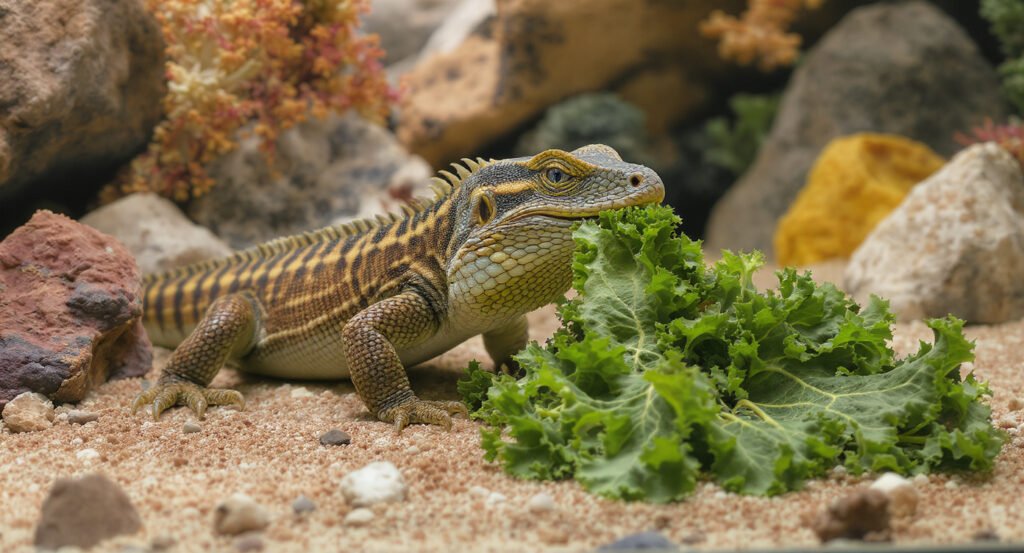
Uromastyx lizards, also known as spiny-tailed lizards, are fascinating herbivorous reptiles that require a carefully balanced diet to thrive in captivity. Understanding their unique nutritional needs is essential for any reptile owner committed to providing proper care. This comprehensive guide will walk you through everything you need to know about feeding your uromastyx for optimal health and longevity.
Understanding Uromastyx Nutritional Requirements
Unlike many other popular pet lizards, uromastyx are strict herbivores in the wild, feeding primarily on desert vegetation. Their digestive systems have evolved to process high-fiber, low-protein plant matter efficiently. Replicating this diet in captivity is crucial for preventing health issues such as obesity, kidney problems, and metabolic disorders.
The key to a healthy uromastyx diet lies in providing a variety of nutrient-dense greens and vegetables while limiting high-oxalate foods and completely avoiding animal protein.
Best Foods for Your Uromastyx
Staple Greens and Vegetables
Your uromastyx’s daily diet should consist primarily of dark leafy greens and fiber-rich vegetables. These staple foods provide essential vitamins, minerals, and the roughage necessary for proper digestion:
Worried About Your Reptile's Health?
Upload a photo and get instant AI health analysis. Catch problems before they become expensive vet bills.
Get Free Health Check →- Dandelion greens – Excellent calcium-to-phosphorus ratio and highly nutritious
- Collard greens – Rich in vitamins A, C, and K
- Turnip greens – High in calcium and fiber
- Mustard greens – Packed with antioxidants and minerals
- Endive and escarole – Low in oxalates with good nutritional value
- Butternut squash – Provides beta-carotene and fiber
- Lentils (dried or sprouted) – Excellent protein source for herbivores
- Chicory – High fiber content aids digestion
Supplementary Foods (Offer 2-3 Times Per Week)
These foods can be offered regularly but shouldn’t constitute the bulk of the diet:
- Bell peppers (red, yellow, orange) – High in vitamin C
- Green beans – Good fiber source
- Peas – Moderate protein and fiber
- Okra – Contains beneficial mucilage
- Carrot tops – More nutritious than the roots
Occasional Treats (Once Per Week or Less)
While these foods are enjoyed by uromastyx, they should be offered sparingly:
- Flowers – Hibiscus, rose petals, dandelion flowers
- Small amounts of fruit – Berries, melon (very limited due to sugar content)
- Seeds – Millet, bird seed mix (small quantities)
Foods to Avoid
Certain foods can be harmful to uromastyx and should be strictly avoided:
- Spinach and beet greens – Extremely high in oxalates that bind calcium
- Kale and bok choy – Contain goitrogens that interfere with thyroid function
- Iceberg lettuce – Nutritionally void with minimal value
- Animal protein – Insects, meat, eggs can cause kidney damage
- Avocado – Toxic to most reptiles
- Rhubarb – Contains toxic compounds
Feeding Schedule and Portion Sizes
Adult uromastyx should be fed daily, offering fresh food in the morning when they’re most active. A good rule of thumb is to provide a salad pile roughly the size of your lizard’s body. Remove uneaten food after 12 hours to prevent spoilage.
Never Miss Early Warning Signs
AI photo analysis catches subtle health issues humans miss 80% of the time. Early detection = healthier reptile + lower vet bills.
Start Free Trial →Juvenile uromastyx (under one year) should also be fed daily but may require slightly smaller, more frequent portions to support their growth. Their diet should be especially rich in calcium-dense greens.
Vitamin and Mineral Supplementation
Even with a varied diet, supplementation is important for captive uromastyx:
- Calcium powder (without D3) – Dust food 4-5 times weekly
- Multivitamin supplement – Once or twice weekly
- Calcium with D3 – Once weekly if UVB lighting is adequate, 2-3 times if not
Always ensure your uromastyx has access to proper UVB lighting (10-12% UVB bulb), as this is crucial for calcium metabolism and overall health.
Hydration Considerations
Uromastyx obtain most of their hydration from the fresh vegetables they consume. While they rarely drink standing water, it’s still important to:
Join thousands of successful reptile owners
Try ReptileCoach Free →- Mist greens lightly before feeding
- Provide a shallow water dish (though they may not use it)
- Ensure vegetables are fresh and moisture-rich
- Maintain proper humidity levels (20-40%) in their enclosure
Common Diet-Related Health Issues
Improper diet can lead to several health problems in uromastyx, including metabolic bone disease (MBD) from calcium deficiency, obesity from overfeeding seeds or fruits, kidney issues from excess protein, and digestive impaction from improper substrate or feeding.
Signs of nutritional deficiency include lethargy, loss of appetite, soft jaw or limbs, difficulty moving, and weight loss. If you notice any of these symptoms, consult a reptile veterinarian immediately.
Get Personalized Care Advice
Every uromastyx is unique, and their dietary needs may vary based on age, species, health status, and individual preferences. While this guide provides a solid foundation, getting personalized advice can make all the difference in your reptile’s health and happiness. The ReptileCoach App connects you with experienced reptile care specialists who can provide customized feeding plans, answer your specific questions, and help you troubleshoot any dietary concerns. Download the app today to ensure your spiny-tailed companion receives the best possible nutrition for a long, healthy life.
Ready to Give Your Reptile the Best Care?
Stop guessing and start knowing. Get personalized AI-powered care guidance, photo health analysis, and 24/7 expert advice for YOUR specific reptile.
Get Personalized Care Guidance
AI-powered photo analysis and daily care tracking for YOUR reptile
Try Free for 7 Days →