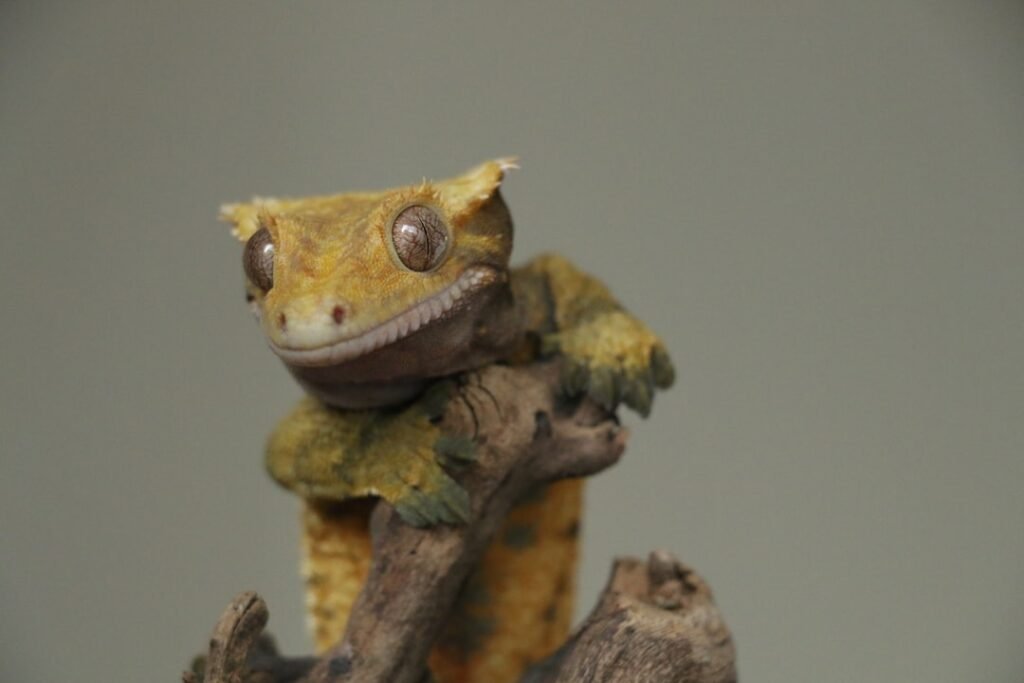
If you’ve noticed your crested gecko spending time on the ground or even attempting to burrow into substrate, you might be wondering if this behavior is normal. After all, crested geckos are arboreal creatures that typically prefer climbing and perching at height. Understanding why your gecko exhibits burrowing behavior can help you ensure their environment meets their needs and identify potential health or stress issues before they become serious problems.
Is Burrowing Normal for Crested Geckos?
The short answer is that while crested geckos are primarily arboreal, occasional ground activity and substrate interaction is completely normal. In their native New Caledonian habitat, these geckos do venture to the forest floor from time to time, though they spend most of their time in trees and bushes. What matters is understanding the context and frequency of the burrowing behavior you’re observing.
Normal ground activity includes your gecko exploring the bottom of their enclosure, walking across substrate to reach different climbing areas, or occasionally resting on the ground during the day. However, persistent burrowing attempts or spending excessive time on the substrate level instead of climbing can indicate underlying issues that need your attention.
Common Reasons for Burrowing Behavior
Temperature and Humidity Regulation
One of the most common reasons crested geckos seek out substrate is to regulate their body temperature or moisture levels. If your enclosure is too warm, your gecko may instinctively head to the substrate level where temperatures are typically cooler. Similarly, if the overall humidity is too low, the substrate layer often retains more moisture than elevated areas, and your gecko may be seeking relief from dehydration.
Worried About Your Reptile's Health?
Upload a photo and get instant AI health analysis. Catch problems before they become expensive vet bills.
Get Free Health Check →Check your temperature gradients carefully. Crested geckos thrive in temperatures between 72-78°F during the day, with nighttime drops to 65-72°F. If your enclosure exceeds 80°F, especially in the upper areas, your gecko will naturally seek cooler zones. Use a reliable digital thermometer with probes at multiple heights to monitor these gradients accurately.
Breeding-Related Behavior
Female crested geckos may exhibit burrowing behavior when they’re preparing to lay eggs or are experiencing breeding hormones. Even females who haven’t been paired with males can produce infertile eggs, and the instinct to find a suitable laying site can drive digging and burrowing attempts. This behavior typically becomes more pronounced as the laying time approaches.
If you have a female gecko showing persistent burrowing behavior, check for physical signs of egg development such as a wider appearance in the lower abdomen or increased restlessness. Provide a lay box with moist substrate like coconut fiber or sphagnum moss to give her an appropriate place to deposit eggs if needed.
Stress and Inadequate Hiding Spots
Crested geckos are naturally shy creatures that require secure hiding places to feel safe. If your enclosure lacks adequate cover at various heights, your gecko may resort to the substrate level in an attempt to hide and feel secure. This is particularly common in new setups or after enclosure cleaning when familiar scents and arrangements have been disrupted.
Never Miss Early Warning Signs
AI photo analysis catches subtle health issues humans miss 80% of the time. Early detection = healthier reptile + lower vet bills.
Start Free Trial →Evaluate your enclosure setup critically. You should have multiple hiding spots at different levels – ground level, mid-height, and upper areas. Use cork bark, artificial plants with dense foliage, and commercially available hides to create secure retreats throughout the vertical space.
Health Issues
Persistent ground-dwelling and burrowing attempts can sometimes indicate health problems. Metabolic bone disease, which affects calcium metabolism, can make climbing difficult or painful, causing geckos to remain on the ground. Injuries to limbs or toes can similarly limit climbing ability. Internal parasites or infections may also cause lethargy and reluctance to climb.
Watch for accompanying symptoms such as lethargy, loss of appetite, difficulty climbing, tremors, bent or soft limbs, or visible injuries. If burrowing behavior is accompanied by any of these signs, consult a reptile veterinarian promptly.
Environmental Factors That Trigger Burrowing
Substrate Type and Depth
The type of substrate you use can actually encourage or discourage burrowing behavior. Loose substrates like coconut fiber, organic topsoil, or moss mixtures are more conducive to digging than paper towels or reptile carpet. While loose substrates can provide enrichment, excessively deep substrate (more than 2-3 inches) might encourage more ground activity than is ideal for an arboreal species.
Join thousands of successful reptile owners
Try ReptileCoach Free →For most crested gecko keepers, a shallow layer of coconut fiber or a bioactive substrate mix provides the benefits of humidity retention and naturalistic appearance without encouraging excessive burrowing. If you notice your gecko obsessively digging, consider whether the substrate depth or type might be influencing this behavior.
Light Exposure and Day-Night Cycles
Crested geckos are crepuscular, meaning they’re most active during dawn and dusk. During bright daylight hours, they naturally seek dark, hidden places to rest. If your enclosure has excessive light exposure or lacks proper photoperiod management, your gecko may try to burrow or hide in substrate to escape uncomfortable brightness.
Maintain a consistent 12-hour light and 12-hour dark cycle. Avoid placing the enclosure in direct sunlight or in rooms with 24-hour artificial lighting. If your gecko only burrows during daytime hours and emerges normally at night, this is likely natural resting behavior rather than a problem.
Distinguishing Normal from Problematic Behavior
Understanding what’s normal versus concerning requires observation of patterns and context. Normal burrowing or ground activity includes brief periods of substrate exploration, digging behavior in a designated lay box for females, occasional ground-level resting during daylight hours, and movement across the bottom of the enclosure to access different climbing areas.
"This app saved my bearded dragon's life. The AI caught early MBD in photos I thought looked completely normal. Worth every penny!"
— Sarah K., ReptileCoach User
Get Your Free 7-Day Trial →Problematic behavior patterns include spending the majority of time on the ground instead of climbing, persistent digging attempts with no egg-laying occurring, refusing to climb even when food is offered at height, appearing weak or struggling when attempting to climb, and burrowing accompanied by weight loss or lethargy.
Keep a simple log of your observations for a week or two. Note when you see your gecko on the ground, what they’re doing, and how long they stay there. This record can help you identify patterns and determine whether veterinary attention is needed.
Practical Solutions and Adjustments
Optimizing Enclosure Setup
If you’ve determined that environmental factors are driving burrowing behavior, several adjustments can help. First, verify and adjust your temperature and humidity levels. Use a hygrometer to ensure humidity stays between 60-80%, with nightly misting sessions to create appropriate gradients. Install additional vertical climbing surfaces like cork bark backgrounds or bamboo poles to make climbing more appealing and accessible.
Add more foliage and hiding spots at multiple heights. Live or artificial plants with broad leaves create secure resting spots that feel safer than open spaces. Position hides strategically at low, medium, and high levels so your gecko has options at every height.
Worried About Your Reptile's Health?
Upload a photo and get instant AI health analysis. Catch problems before they become expensive vet bills.
Get Free Health Check →Substrate Management
If burrowing seems excessive, reduce substrate depth to about 1-2 inches. This still allows for humidity retention and biological activity if you’re running a bioactive setup, but discourages deep digging. Ensure the substrate surface isn’t too wet, as overly moist conditions near the top can signal husbandry issues and may cause skin problems.
Consider the substrate texture as well. Finer particles like coconut fiber are easier to burrow in than larger chunks of bark or mixed substrates with varied particle sizes. Switching to a mix that includes some larger components can reduce digging behavior while maintaining functionality.
Providing Appropriate Enrichment
Sometimes burrowing is simply a sign of boredom or lack of appropriate enrichment. Crested geckos benefit from environmental complexity and variety. Rotate decorations periodically, add new climbing branches, or introduce different types of plants to keep the environment interesting and encourage natural behaviors like climbing and exploring at height.
Feeding opportunities can also encourage vertical activity. Rather than placing food dishes on the ground, position them at mid to upper levels of the enclosure. This rewards climbing behavior and helps establish the natural pattern of feeding at height that crested geckos would experience in the wild.
Never Miss Early Warning Signs
AI photo analysis catches subtle health issues humans miss 80% of the time. Early detection = healthier reptile + lower vet bills.
Start Free Trial →When to Seek Veterinary Care
While many cases of burrowing behavior can be resolved through environmental adjustments, certain situations require professional veterinary attention. Schedule a vet visit if your gecko shows sudden changes in behavior combined with ground-dwelling, has visible signs of injury or illness, refuses food for more than a week while staying on the ground, shows signs of metabolic bone disease like soft jaw or kinked tail, or has a distended abdomen that might indicate egg binding or other internal issues.
A reptile-experienced veterinarian can perform physical examinations, fecal tests for parasites, and radiographs if needed to rule out internal problems. Early intervention often prevents minor issues from becoming serious health crises.
Conclusion
Understanding your crested gecko’s burrowing behavior is essential for providing optimal care and catching potential problems early. While occasional ground activity is normal for these primarily arboreal lizards, persistent burrowing often signals environmental issues, breeding behavior, or health concerns that need addressing. By carefully monitoring your gecko’s patterns, optimizing temperature and humidity levels, providing adequate climbing opportunities and hiding spots at multiple heights, and knowing when to seek veterinary care, you can ensure your crested gecko thrives in a habitat that meets all their behavioral and physiological needs. Remember that every gecko is an individual, and what’s normal for one may differ for another, making attentive observation your most valuable tool in reptile keeping.
Ready to Give Your Reptile the Best Care?
Stop guessing and start knowing. Get personalized AI-powered care guidance, photo health analysis, and 24/7 expert advice for YOUR specific reptile.
Get Personalized Care Guidance
AI-powered photo analysis and daily care tracking for YOUR reptile
Try Free for 7 Days →