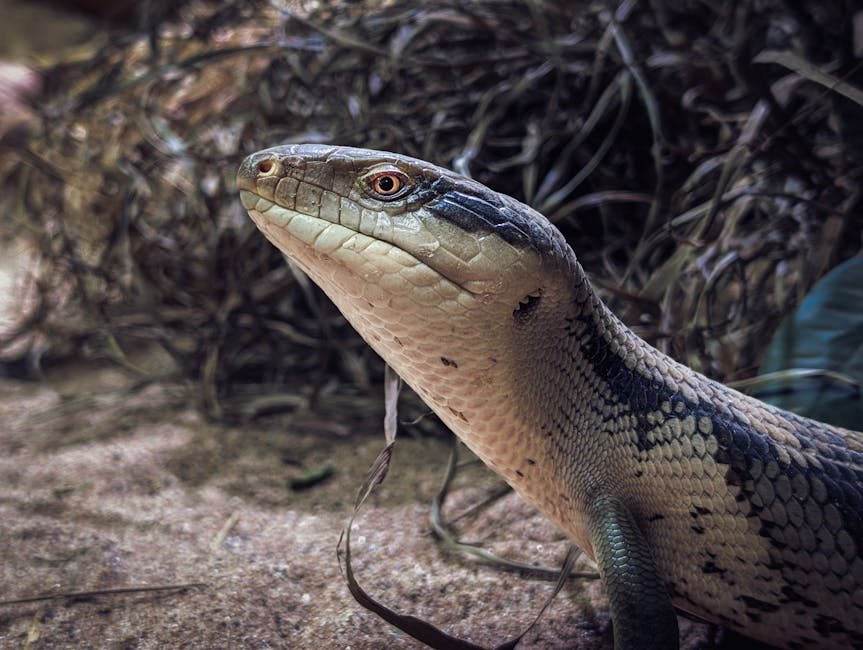
Bringing home a blue tongue skink isn’t just adopting a pet—it’s making a lifelong commitment that could span two decades or more. These gentle reptiles routinely live 15-25 years with proper care, but reaching that golden age isn’t accidental. What separates skinks that thrive into their twenties from those that fade early often comes down to one unsung hero: consistent documentation. Without detailed records tracking health, diet, and environment, you’re navigating 20+ years of care in the dark, potentially missing subtle warning signs that could cut your companion’s life short. This isn’t about bureaucratic paperwork—it’s about transforming guesswork into actionable insights that directly extend your bluey’s precious time with you.
What to Document: The Lifespan-Critical Records
Start documenting from day one with these non-negotiable entries. Weigh your skink weekly using a digital scale accurate to 1 gram, recording each measurement alongside the date. Sudden weight fluctuations—even 5% changes—can signal metabolic issues years before obvious symptoms appear. Log dietary details with surgical precision: note exact protein percentages (e.g., “70% dubia roaches, 25% collard greens, 5% blueberries”), not just “fed insects and veggies.” Include batch numbers for supplements like Repashy Calcium Plus to track potential inconsistencies. Crucially, document UVB bulb replacement dates—many owners unknowingly provide inadequate lighting because they lose track of the 6-12 month replacement cycle, leading to chronic calcium deficiency that weakens bones over years. Temperature logs matter profoundly; record both basking spot (95°F target) and cool side (75°F) readings daily for the first month, then weekly. A skink living in a perpetually 5°F-too-cool enclosure may survive but never thrive, its metabolism subtly impaired for decades.
Connecting the Dots: How Records Reveal Longevity Patterns
Your documentation transforms from data into life-saving intelligence when you analyze trends. Create a simple spreadsheet with columns for weight, appetite notes (“eager,” “picky,” “refused”), and environmental conditions. After six months, you’ll spot correlations invisible in daily snapshots. For example, consistent 10% weight loss during winter months might reveal inadequate heating—a fixable issue that could add years to their life. One documented case showed a skink’s recurring summer lethargy directly linked to humidity spikes above 45% (recorded via hygrometer logs), resolved by adjusting misting frequency. Track veterinary visits meticulously: note not just the diagnosis but the timeline of symptoms (“Day 1: reduced appetite; Day 3: 8% weight loss; Day 5: vet visit”). This creates a personalized health baseline—when your 10-year-old skink shows similar early signs, you can intervene before crisis hits. Documenting handling reactions is equally vital; sudden stress responses during routine interactions might indicate undetected pain from arthritis, a common age-related issue that affects quality of life long before mobility visibly declines.
Practical Documentation Systems That Actually Work
Ditch the notebook that gets buried under cage decor. Implement a digital system designed for reptile longevity tracking. Use free apps like “ReptiLife” or “Exo Terra” that generate custom reminders for UVB changes and vet checkups, syncing automatically to your calendar. For dietary logs, create a template spreadsheet with pre-filled food categories: Protein Sources (dubia roaches, lean ground turkey), Veggie/Greens (collards, squash), Fruits (strawberries, papaya), and Supplements. Assign each item a percentage column so your weekly 50/40/10 ratio (for adults) auto-calculates. Print a monthly enclosure log with checkboxes for “basking spot verified,” “cool side verified,” and “feces removed”—physical copies taped to the enclosure door ensure consistency. When visiting the vet, bring printed reports showing 6 months of weight trends rather than saying “he seems thinner.” This specificity helps vets spot slow declines; one client’s logs revealed a 0.5g/week weight loss over 8 months, leading to early kidney disease detection and treatment that added 4+ years to their skink’s life.
Worried About Your Reptile's Health?
Upload a photo and get instant AI health analysis. Catch problems before they become expensive vet bills.
Get Free Health Check →Avoiding Documentation Pitfalls That Shorten Lifespan
Even well-intentioned record-keeping can backfire if done poorly. Never use vague terms like “ate well” or “looks healthy”—these are meaningless when reviewing patterns years later. Instead, note “consumed 80% of 15g meal within 30 minutes” or “alert posture, tongue flicking 5x/min.” Avoid inconsistent measurement times; weigh your skink first thing in the morning before feeding for comparable data. Crucially, don’t document in isolation—cross-reference entries. If your skink refuses food on Day 1, check your logs: Was the UVB bulb replaced 3 weeks ago? Did nighttime temps dip below 70°F? Did you introduce new substrate? One owner discovered their skink’s seasonal appetite loss coincided with spring pollen counts, leading to an air purifier solution that stabilized year-round nutrition. Never delete “failed” entries; a month of poor appetite followed by recovery provides valuable data on your skink’s resilience. Most dangerously, don’t assume “no symptoms = no need to log.” Regular baseline documentation during healthy periods is what makes deviations noticeable when problems emerge later.
When Documentation Saves Lives: Real Longevity Case Studies
Consider “Buddy,” a northern blue tongue skink whose owner maintained obsessive records for 18 years. At age 12, Buddy’s weekly weights showed a 3% dip over four weeks—clinically insignificant alone. But cross-referenced with dietary logs showing reduced calcium intake (owner had switched supplement brands), Buddy’s vet diagnosed early-stage metabolic bone disease. Corrective action began immediately, preventing irreversible damage. Buddy lived to 22. Contrast this with “Sapphire,” a skink whose owner only documented during crises. At age 8, Sapphire suddenly refused food. Without baseline weight or appetite history, the vet couldn’t determine if this was acute or chronic. By the time tests revealed advanced kidney failure, it was too late. Documentation also impacts breeding decisions; females with documented histories of clean egg-laying and rapid post-partum recovery often live longer than those bred repeatedly without health tracking. One breeder’s logs showed skinks bred before age 3 had 30% shorter lifespans—data that changed their entire breeding protocol.
Building Your Lifespan Legacy: The Long Game
Your documentation isn’t just for you—it becomes part of your skink’s legacy and aids future keepers. Include a “care history” file with your adoption paperwork if rehoming becomes necessary, detailing their proven diet preferences, stress triggers, and medical quirks. This continuity of care can add years when transitioning to new owners. Share anonymized data with citizen science projects like the Blue Tongue Skink Longevity Registry, helping researchers identify patterns that extend collective knowledge. Most importantly, view documentation as an act of love. That 2 AM weight entry during your skink’s recovery from illness? It’s a testament to your commitment. The neatly charted UVB schedule? It’s the invisible architecture supporting decades of shared mornings. When you’re celebrating your bluey’s 15th birthday—something only 40% of skinks reach—you’ll have the records to prove exactly which choices got you there, and which new milestones you’re building toward. In the quiet ritual of logging today’s details, you’re actively weaving the thread of your companion’s future years.
Ready to Give Your Reptile the Best Care?
Stop guessing and start knowing. Get personalized AI-powered care guidance, photo health analysis, and 24/7 expert advice for YOUR specific reptile.
Get Personalized Care Guidance
AI-powered photo analysis and daily care tracking for YOUR reptile
Try Free for 7 Days →