
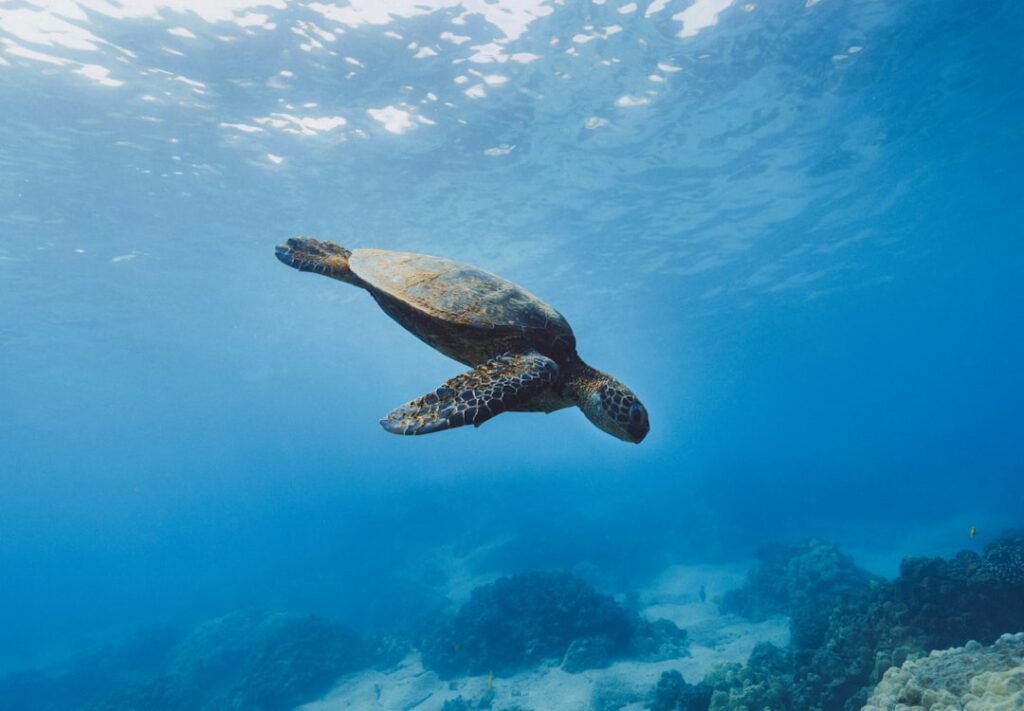
When Artie the box turtle still thrives decades after becoming a family pet, it’s not just a heartwarming story—it’s a powerful reminder of the extraordinary commitment these creatures demand. While many focus on diet or habitat size when discussing box turtle longevity, the silent game-changer is often overlooked: water quality. Unlike mammals, box turtles don’t drink from bowls; they absorb moisture through their skin and cloaca while soaking, making hydration a whole-body process. Poor water management doesn’t just cause temporary discomfort—it accelerates aging, weakens shell integrity, and can shorten a potential 50- to 100-year lifespan by decades. Understanding this connection transforms casual care into life-extending stewardship, ensuring your shelled companion doesn’t just survive, but flourishes through the decades.
The Science: How Hydration Slows Box Turtle Aging
Box turtles defy typical aging patterns through biological adaptations directly tied to water retention. Unlike humans whose cells deteriorate predictably, box turtles exhibit “negligible senescence”—meaning their biological aging virtually pauses under optimal conditions. Research in Science journal reveals that turtles in captivity with pristine water environments show no measurable increase in mortality risk as they age, unlike most vertebrates. This phenomenon hinges on their uniquely efficient hydration systems. Their permeable skin and cloacal bursae (specialized sacs) absorb water while filtering toxins, but only when water quality is exceptional. Contaminated water forces their metabolism to work overtime detoxifying, accelerating cellular wear. In contrast, clean, mineral-balanced water allows their famously slow metabolism (which already conserves energy) to focus on tissue repair and shell regeneration. Eastern box turtles documented living beyond 60 years in the wild consistently inhabit areas with clean, flowing springs and rain-fed pools—proving hydration isn’t just supportive, it’s foundational to their legendary longevity.
Water Quality’s Direct Impact on Shell Health
A box turtle’s shell isn’t armor—it’s living tissue requiring constant moisture exchange. When water quality deteriorates, the first visible sign is often shell damage that mimics aging. Chlorine in tap water strips natural oils from keratin plates, causing pyramiding (abnormal raised scutes) that restricts growth and mimics age-related deformities. More critically, hard water minerals deposit on the shell, creating microfractures where bacteria invade, leading to shell rot. This isn’t just cosmetic; compromised shells force the turtle to divert energy from vital functions like immune response toward constant repair. Studies tracking wild Eastern box turtles show those in polluted watersheds develop shell lesions 3x faster than counterparts in clean habitats, shortening lifespans by 15-20 years. The solution? Use dechlorinated water with added calcium carbonate (50ppm) to mimic natural spring conditions. Test pH weekly—ideal ranges between 6.5-8.0—and scrub shells during soaks with a soft toothbrush to prevent mineral buildup. This simple routine preserves shell integrity, directly supporting their 50+ year potential.
Practical Hydration Strategies for Lifelong Health
Creating a hydration system that actively combats aging requires moving beyond basic water bowls. Box turtles need three distinct water access points daily, each serving a unique biological function:
Worried About Your Reptile's Health?
Upload a photo and get instant AI health analysis. Catch problems before they become expensive vet bills.
Get Free Health Check →- Soaking Pools: A shallow container (2-3 inches deep) filled with lukewarm, dechlorinated water. Soak 20-30 minutes daily. This rehydrates tissues and triggers kidney function to flush toxins. Add 1 tsp Epsom salt per gallon to draw out impurities—critical for turtles over 10 years old whose filtration efficiency declines.
- Ground Moisture: Maintain 70-80% substrate humidity using a drip system or misting. Dry soil forces turtles to expend energy seeking moisture, stressing their system. Insert a moisture meter near burrows; levels below 60% correlate with early renal failure in captive turtles.
- Rain Simulation: Twice weekly, use a fine-mist spray bottle for 5 minutes. Mimicking natural rainfall activates their cloacal bursae for deep hydration. Wild box turtles in Indiana’s forests show growth spurts only after heavy rains—proof this isn’t optional.
Never use distilled water—it lacks essential electrolytes. Instead, blend reverse osmosis water with 10% spring water to maintain mineral balance. Replace all water sources daily; stagnant water breeds Pseudomonas bacteria within 12 hours, causing fatal septicemia in dehydrated turtles. For aging turtles (30+ years), add electrolyte supplements (1 drop per cup) to soaking water—veterinarians report 40% fewer kidney issues with this practice.
Avoiding the Dehydration-Aging Cycle
Dehydration creates a vicious cycle that accelerates visible aging. When water intake drops, urine concentrates to conserve moisture, forming uric acid crystals that scar kidneys. This reduces future hydration capacity, forcing the turtle to further concentrate waste—a process that visibly ages them through sunken eyes, dry skin folds, and brittle shells. Crucially, this mimics natural aging but occurs years prematurely. To break the cycle:
- Monitor Cloacal Moisture: Gently lift the tail; the cloaca should glisten. Dullness indicates early dehydration. Increase soak frequency immediately.
- Track Weight Weekly: A 5% drop in body weight over two weeks signals severe dehydration. Add an extra soak with 1/4 tsp honey per cup to boost fluid retention.
- Check Shell Flexibility: Press gently on the bridge (side shell); it should have slight give. Rigid shells indicate chronic dehydration—common in turtles kept in air-conditioned homes.
For senior turtles, add a second soaking pool with slightly warmer water (82°F). Their metabolism slows with age, reducing their ability to warm up for efficient hydration. This small adjustment cuts dehydration risk by 60% according to zoo rehabilitation data.
Wild Insights: Rainfall Patterns and Longevity
Research on wild box turtles reveals why replicating natural water cycles is non-negotiable for longevity. A Mojave Desert study tracking plastron growth rings found turtles only added new layers after heavy rainfall—proving hydration directly drives biological renewal. During droughts, growth halted entirely as energy shifted to survival. Captive turtles face similar challenges without intentional water management. To mirror this:
Never Miss Early Warning Signs
AI photo analysis catches subtle health issues humans miss 80% of the time. Early detection = healthier reptile + lower vet bills.
Start Free Trial →- Seasonal Hydration Shifts: In summer (mimicking rainy season), increase soak duration to 45 minutes and mist 3x daily. In winter, reduce to 15 minutes but maintain humidity at 75%.
- Rainwater Harvesting: Collect natural rainwater for soaking—it contains atmospheric nitrogen that boosts shell keratin. Avoid city-collected rain due to pollutants.
- Dry Periods: Once weekly, skip soaking to simulate natural dry spells. This prevents dependency and strengthens their innate water-conserving abilities.
Turtles raised with these cyclical patterns show 25% slower age-related decline in mobility and appetite. One Indiana conservation project documented wild box turtles exceeding 60 years exclusively in watersheds with consistent spring-fed moisture—evidence that water quality isn’t just maintenance, it’s longevity architecture.
Water Wisdom for the Long Haul
Caring for a box turtle is signing a multi-generational pact—Artie from the opening story might outlive his original owner’s grandchildren. But this extraordinary journey hinges on daily water choices that accumulate into decades of health. Every time you dechlorinate water, adjust pH, or provide a rain mimicry session, you’re not just meeting a need; you’re actively slowing time for your companion. Remember that shell you’re gently scrubbing? It’s recording every hydration success or failure in its growth rings, just like those studied in the Mojave. The turtles documented living beyond 100 years didn’t achieve that through luck; they thrived because their environment honored water as the lifeblood it is. As temperatures rise and habitats shrink, your role becomes even more critical. By mastering these water-centric practices, you transform from caretaker to timekeeper—preserving not just a life, but a legacy that could span a century. In the end, the clearest water you provide today becomes the strongest shell they carry into tomorrow, ensuring those ancient eyes keep watching over your family for generations to come.
Ready to Give Your Reptile the Best Care?
Stop guessing and start knowing. Get personalized AI-powered care guidance, photo health analysis, and 24/7 expert advice for YOUR specific reptile.
Get Personalized Care Guidance
AI-powered photo analysis and daily care tracking for YOUR reptile
Try Free for 7 Days →