
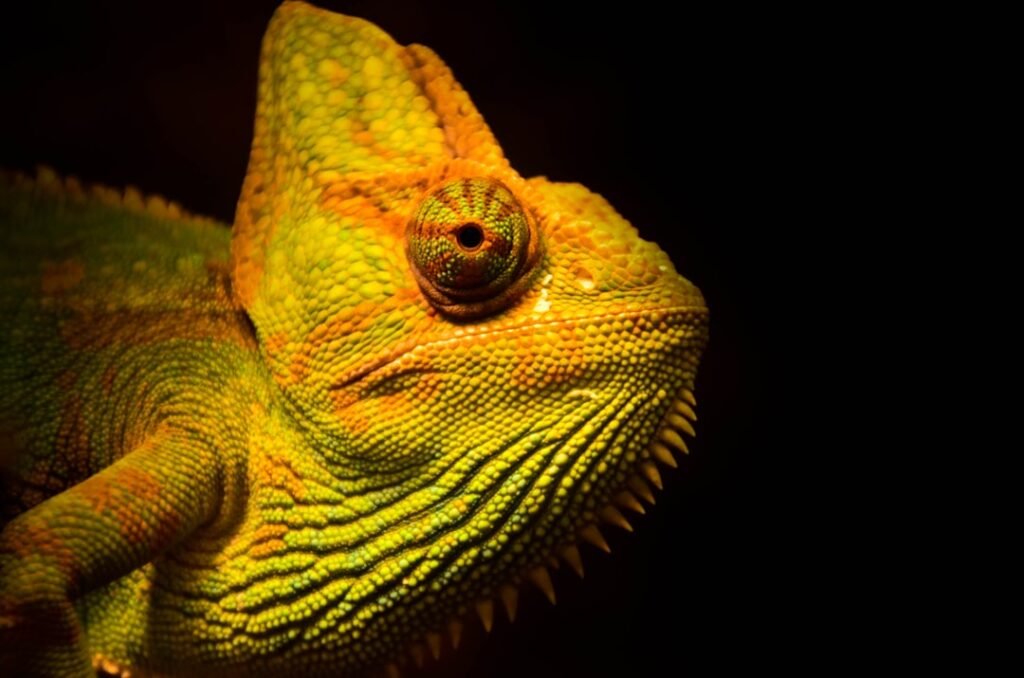
Bringing a veiled chameleon into your home is a commitment to a fascinating, vibrant companion—but how long can you expect to share your life with these incredible reptiles? Understanding their lifespan and the unique care needs that emerge as they age isn’t just about planning; it’s about ensuring every year is vibrant and healthy. Sadly, many chameleons fall short of their potential lifespan due to overlooked age-related changes. This guide cuts through the confusion, giving you practical, vet-backed strategies to support your chameleon through every stage of life. Whether your scaly friend is a lively juvenile or a wise senior, these actionable tips will help you spot subtle shifts and adapt care proactively, turning years into joyful decades together.
Understanding Veiled Chameleon Lifespan Expectations
Veiled chameleons (Chamaeleo calyptratus) are resilient when cared for properly, but their lifespan varies significantly by gender and care quality. Males typically live 6–8 years with optimal husbandry, while females often reach only 3–5 years. This disparity stems from the physical toll of egg production—even infertile clutches strain a female’s body. In the wild, shorter lifespans are common due to predators and food scarcity, but captive chameleons regularly exceed 7 years when provided with species-specific care. Never believe claims of “10+ year lifespans” as standard; exceptional cases exist, but they’re outliers. Your goal should be hitting the 6–8 year mark for males and 4–5 for females by avoiding common pitfalls like improper UVB exposure or chronic dehydration. Remember: lifespan isn’t fixed—it’s a direct reflection of your daily care choices.
Recognizing Signs of Aging in Your Chameleon
Chameleons don’t show obvious “gray hairs,” but subtle changes signal aging. By age 4–5 (for males) or 2–3 (for females), watch for these key indicators:
- Slower movement: Reduced climbing speed or reluctance to jump between branches
- Diminished color vibrancy: Colors may appear duller or take longer to shift during stress
- Thinner body mass: Visible spine or hip bones, especially along the tail base
- Eye cloudiness: A slight haze over the eyes (distinct from shedding or illness)
- Decreased appetite: Eating fewer insects per feeding or skipping meals occasionally
Crucially, distinguish aging signs from illness. Lethargy paired with sunken eyes indicates dehydration—not just old age. If your chameleon stops eating for over 7 days or develops swollen joints, consult an exotic vet immediately. Early intervention for age-related issues like arthritis can dramatically improve quality of life.
Worried About Your Reptile's Health?
Upload a photo and get instant AI health analysis. Catch problems before they become expensive vet bills.
Get Free Health Check →Habitat Adjustments for Senior Chameleons
Your chameleon’s enclosure needs evolve as they age. An adult setup that worked for years may become hazardous or uncomfortable for seniors. Prioritize these adjustments:
Optimize Vertical Space & Accessibility
Replace tall, sparse enclosures with shorter, denser foliage. Aim for a minimum 24″x24″x36″ enclosure for females and 24″x24″x48″ for males, but fill the lower third with abundant, low-hanging branches (under 12 inches from the floor). Use flexible vines like Exo Terra Jungle Vines at multiple angles so your chameleon can climb without strenuous jumps. Eliminate any gaps between branches where arthritic limbs might get stuck. Add reptile hammocks near the basking zone for easy resting—position them 8–10 inches below the heat lamp to avoid burns.
Refine Humidity & Lighting Cycles
Senior chameleons struggle with hydration. Maintain 40–50% humidity during daytime hours, then ramp up to 80–100% overnight using a fogger (1:30–6:00 AM). Place digital hygrometers at top and bottom levels to monitor gradients. For lighting, ensure UVB exposure remains critical—replace T5 HO UVB bulbs every 6 months. Position the basking branch so your chameleon can thermoregulate without climbing: ideal basking temps are 85–90°F (not 95°F) for seniors to reduce metabolic strain. Run lights 10–12 hours daily; longer exposure stresses aging eyes.
Nutrition Tweaks for Older Chameleons
Dietary needs shift as metabolism slows. An adult chameleon eating 5 crickets every other day may need only 2–3 insects as a senior—but skipping feedings entirely risks malnutrition. Follow this adjusted feeding schedule:
Never Miss Early Warning Signs
AI photo analysis catches subtle health issues humans miss 80% of the time. Early detection = healthier reptile + lower vet bills.
Start Free Trial →- Over 5 years (males) / 3 years (females): 2–3 appropriately sized insects every 3 days
- Over 6 years (males) / 4 years (females): 1–2 insects every 4 days, plus daily calcium dusting
Focus on high-calcium, low-chitin options like silkworms or hornworms instead of crickets. Dust food with calcium carbonate (no D3) at every feeding—seniors absorb nutrients less efficiently. Add a weekly multivitamin dusting to prevent deficiencies. Always provide fresh water via drip systems; aging chameleons may not drink from misting alone. If your chameleon refuses live prey, try “gut-loading” insects with brightly colored veggies (carrots, squash) to stimulate interest.
Preventing & Managing Age-Related Health Issues
Metabolic bone disease (MBD) is the #1 killer of aging veiled chameleons, often misdiagnosed as “old age.” Prevent it through three non-negotiables: correct UVB exposure, proper calcium supplementation, and hydration. If you notice jaw softening, bowed legs, or tremors, start emergency care immediately: increase misting frequency, offer calcium powder mixed with water via dropper, and schedule a vet visit. For arthritis—common in females post-egg-laying—add heated resting spots at 82–85°F and avoid cold drafts. Never handle an arthritic chameleon; let them move freely. Monitor weight monthly using a gram-scale; a 10% drop warrants veterinary consultation. Annual check-ups with a reptile specialist are essential—they can detect early kidney issues via blood tests before symptoms appear.
Hydration Strategies for Longevity
Dehydration accelerates aging in chameleons. Seniors lose skin elasticity, making them prone to kidney strain. Implement this hydration protocol:
- Mist enclosure 3x daily (6:00 AM, 1:30 PM, 9:00 PM) for 60 seconds each session
- Run a dripper 3:00–5:00 PM daily over favorite perches
- Use distilled water only to prevent mineral buildup in misting systems
- Add a second fogger cycle at 8:00 PM for 2 hours to boost nighttime humidity
Check droppings daily—thick, white urates indicate dehydration. If your chameleon isn’t drinking, gently drip water onto their snout with a syringe (never force into mouth). For chronically dehydrated seniors, add electrolyte solutions (like Lectade) to drinking water 1x/week per vet instructions. Remember: chameleons get most water from leaves, not standing pools—so dense foliage is non-negotiable.
Join thousands of successful reptile owners
Try ReptileCoach Free →Ensuring Quality of Life in Their Golden Years
Aging chameleons thrive on stability and reduced stress. Eliminate all unnecessary handling—observe them instead of interacting. Keep enclosures in quiet rooms away from foot traffic, TVs, or other pets. During winter months, maintain consistent 70–75°F ambient temperatures; avoid letting nighttime temps drop below 60°F. Add live plants like pothos or ficus for natural humidity and security—seniors feel safest when partially obscured. If your chameleon develops cataracts, add textured branches (like cork bark) for better grip. Most importantly, adjust your expectations: a 7-year-old male may bask 18 hours a day instead of hunting. This isn’t illness—it’s natural energy conservation. Honor their changing rhythms rather than forcing youthful activity.
Creating Lasting Memories with Your Senior Chameleon
Caring for an aging veiled chameleon is a profound privilege—a testament to your dedication as a keeper. By recognizing their shifting needs and adapting husbandry with patience, you transform their later years from a slow decline into a period of quiet contentment. Focus not on extending days, but on filling days with comfort: the gentle mist on their skin, the warmth of a perfectly positioned branch, the satisfaction of a well-dusted hornworm. These moments, repeated day after day, build a legacy of trust. When your chameleon reaches those upper-limit years—watching a 7-year-old male still display his vibrant greens or a 4-year-old female calmly surveying her domain—you’ll know you honored the bond in the most meaningful way possible. Their lifespan becomes a mirror of your compassion, proving that with informed, attentive care, every year can be a good year.
Ready to Give Your Reptile the Best Care?
Stop guessing and start knowing. Get personalized AI-powered care guidance, photo health analysis, and 24/7 expert advice for YOUR specific reptile.
Get Personalized Care Guidance
AI-powered photo analysis and daily care tracking for YOUR reptile
Try Free for 7 Days →