
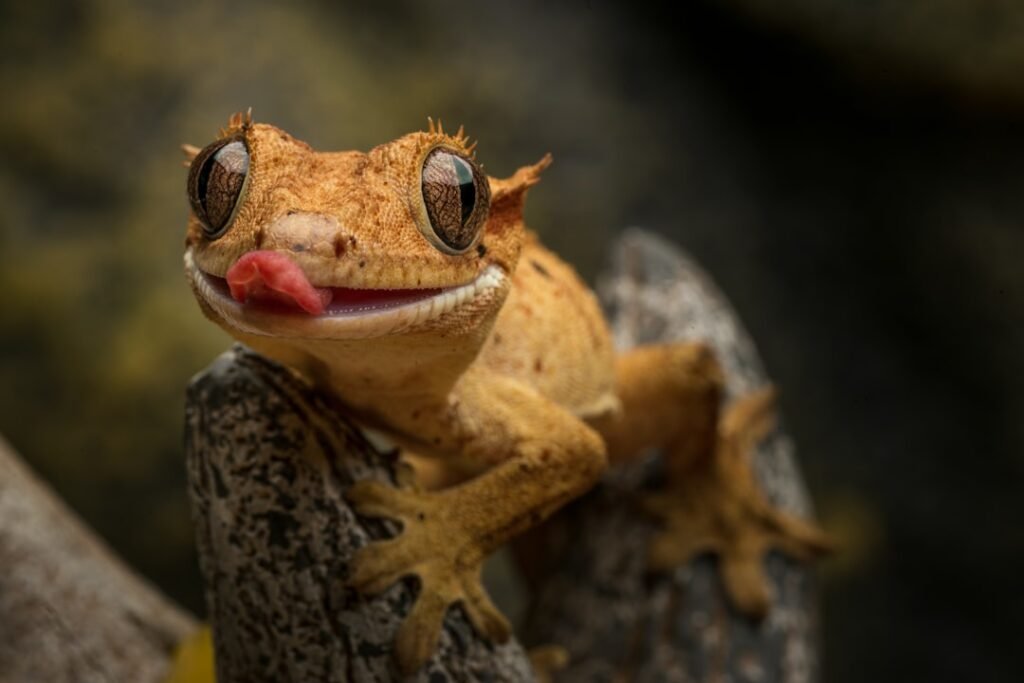
Geckos are among the most captivating reptiles on our planet, with over 1,500 different species spread across most continents. These small to medium-sized lizards have captured the hearts of reptile enthusiasts and casual observers alike with their unique abilities, vibrant colors, and charming personalities. From their incredible climbing skills to their distinctive vocalizations, geckos represent a remarkable example of evolutionary adaptation and diversity in the animal kingdom.
What Makes Geckos So Special?
Geckos belong to the suborder Gekkota and are distinguished by several remarkable characteristics that set them apart from other lizards. Most gecko species are small, typically ranging from 3 to 6 inches from snout to tail, though some species like the Tokay gecko can reach up to 13 inches in length. These fascinating creatures are predominantly nocturnal, meaning they’re most active during the night when they hunt for insects and other small prey.
One of the most distinctive features of geckos is their eyes. Most species lack movable eyelids and instead have a large, clear protective covering over their eyes, similar to snakes. This transparent scale keeps their eyes moist and clean. Nocturnal geckos typically have vertical, slit-like pupils that are often lobed in such a way that they close to form four pinpoints, helping them see clearly in low-light conditions. However, some species like the leopard gecko and African fat-tailed gecko do possess functional eyelids, making them exceptions to this general rule.
The Amazing Climbing Abilities of Geckos
Perhaps the most famous characteristic of geckos is their extraordinary ability to climb smooth and vertical surfaces, including glass and even ceilings. This superhero-like ability comes from their specially modified feet. The pads of their long toes are covered with small plates called lamellae, which are covered with numerous tiny hairlike processes that fork at the end. These microscopic hooks cling to small surface irregularities, allowing geckos to defy gravity with apparent ease.
Worried About Your Reptile's Health?
Upload a photo and get instant AI health analysis. Catch problems before they become expensive vet bills.
Get Free Health Check →Not all gecko species possess these adhesive toe pads, however. Ground-dwelling species like the leopard gecko and African fat-tailed gecko lack these specialized structures and cannot climb glass surfaces. Instead, they’re perfectly adapted for terrestrial life, navigating rocky terrain and desert environments. Some geckos even have retractable claws that provide additional grip when needed.
In a remarkable display of their agility, geckos have been observed sprinting across water surfaces without sinking. While this ability has been definitively shown in the flat-tailed house gecko, scientists believe many other gecko species may possess this incredible skill, using it to escape predators in their natural habitats.
Popular Gecko Species Around the World
The diversity of gecko species is truly astounding, with each type adapted to its specific environment and lifestyle. The leopard gecko stands out as the most popular pet gecko species. Native to the southwestern United States and northwest Mexico, these beautiful reptiles are known for their spotted patterns and docile temperament. Unlike most geckos, they have functional eyelids and lack adhesive toe pads, making them ground-dwellers that are easy to handle and care for in captivity.
The Tokay gecko is one of the largest and most recognizable gecko species. Found throughout East Asia and Southeast Asia, these robust geckos can reach impressive sizes. They’re instantly recognizable by their bright orange or brown spots scattered over gray or aqua-colored scales. The name “Tokay” comes from the distinctive “to-kay” sound that males make when attracting mates. While visually stunning, Tokay geckos have earned a reputation for their aggressive temperament and powerful bites, making them better suited for experienced reptile keepers.
Never Miss Early Warning Signs
AI photo analysis catches subtle health issues humans miss 80% of the time. Early detection = healthier reptile + lower vet bills.
Start Free Trial →The African fat-tailed gecko hails from West Africa, including regions of Cameroon, Senegal, and Nigeria. These versatile geckos thrive in both dry and wet-dry savannah habitats, preferring dark, humid hiding places. They’re named for their characteristically broad tails, which serve as fat storage organs. Visually similar to leopard geckos, fat-tailed geckos also have functional eyelids and vertical pupils but lack adhesive pads. They have pale pink or off-white undersides, with scale patterns and colors that vary depending on their geographic location.
House Geckos: Unexpected Roommates
Several gecko species have adapted remarkably well to living alongside humans, earning them the collective name “house geckos.” The common house gecko thrives around people and human structures throughout tropical and subtropical regions worldwide. The Mediterranean house gecko is frequently found in and around buildings and has become an introduced species in the United States, where it’s now quite common. These geckos feature noticeable bumps along the sides of their backs, distinguishing them from other species.
In Florida alone, ten different gecko species can be found, though only one—the Florida Reef Gecko—is actually native to the state. The other species arrived through cargo shipments or the pet trade. The Mediterranean gecko was first identified in Florida in 1910, making it one of the earliest introduced species. The tropical house gecko and common house gecko have also established populations in the state, sometimes becoming invasive species of concern.
House geckos can range in color from semi-transparent to grayish to darker brown, often featuring dark chevron markings and lateral stripes on their backs. These patterns help them blend seamlessly into their surroundings, whether against tree bark or building walls. Despite their sometimes startling appearance when spotted indoors, house geckos are generally harmless and actually beneficial, as they consume insects and other household pests.
Join thousands of successful reptile owners
Try ReptileCoach Free →The Vocal World of Geckos
Unlike most reptiles, geckos are notably vocal creatures, and this ability is actually where their name comes from. The word “gecko” is derived from the sounds these lizards make. Different species produce various calls ranging from feeble clicks and chirps to shrill cackles and barks. These vocalizations serve multiple purposes in gecko communication.
Geckos become especially vocal when nervous, alarmed, or threatened, using hissing noises to ward off potential predators. The Tokay gecko is particularly famous for its loud mating calls, which can be heard from considerable distances. Male Tokay geckos call out repeatedly to attract females and establish territory, creating the distinctive “to-kay, to-kay” sound that gives them their name. Some gecko species are known to be noisy fighters, engaging in vocal disputes over food sources or territory.
Geckos as Popular Pets
The smaller size and adaptability of geckos to captive environments have made them excellent reptile pets. Many species have been captively bred within the United States for decades, making them easily accessible to first-time gecko keepers. Successful captive breeding programs have even produced unique color variations and patterns, such as albino African fat-tailed geckos and various leopard gecko morphs.
When considering a gecko as a pet, it’s important to match the species to your experience level and handling preferences. Leopard geckos are ideal for beginners due to their docile nature, ease of care, and tolerance for handling. They’re avid insectivores and thrive in relatively simple setups with proper temperature gradients and hiding spots. African fat-tailed geckos require similar care but need higher humidity levels than leopard geckos.
"This app saved my bearded dragon's life. The AI caught early MBD in photos I thought looked completely normal. Worth every penny!"
— Sarah K., ReptileCoach User
Get Your Free 7-Day Trial →Giant day geckos offer a different pet-keeping experience with their brilliant green coloration, shades of blue and yellow, and bright orange or red markings. These active, arboreal geckos are quicker than ground-dwelling species but can become tame with patience and experienced handling. They’re diurnal, meaning they’re active during the day, which makes them more visible and entertaining to observe than nocturnal species.
More challenging species like the Tokay gecko and frog-eyed gecko are better suited for experienced keepers. While Tokay geckos are stunning and can tame out over time, their reputation for aggression and tendency to bite means they’re generally viewed as display animals rather than hands-on pets. Frog-eyed geckos are beautiful terrestrial lizards from Asia but lack the hardiness of leopard or fat-tailed geckos, making them appropriate for keepers who have previous experience with ground-dwelling gecko species.
Remarkable Survival Adaptations
Geckos have evolved numerous fascinating adaptations that help them survive in diverse environments. One of the most well-known is their ability to shed their tails when threatened by predators—a defense mechanism called autotomy. The detached tail continues to wiggle, distracting the predator while the gecko makes its escape. The tail is quickly regenerated in its original shape, though the regenerated tail may look slightly different from the original.
The gecko’s tail serves multiple purposes beyond escape tactics. In many species, it functions as a storehouse of fat that the animal can draw upon during unfavorable conditions such as food shortages or harsh weather. This is particularly evident in species like the African fat-tailed gecko, where the tail’s size can indicate the animal’s overall health and nutritional status.
Worried About Your Reptile's Health?
Upload a photo and get instant AI health analysis. Catch problems before they become expensive vet bills.
Get Free Health Check →Geckos’ ability to change color, though not as dramatic as chameleons, provides another survival advantage. The stump-toed gecko can vary its coloration from very light to very dark, allowing it to camouflage effectively in different environments. This adaptability helps these geckos thrive both in wild habitats and residential areas, where they’ve successfully adapted to human presence.
Conclusion
Geckos represent one of nature’s most successful and adaptable reptile groups, with their incredible diversity spanning over 1,500 species across the globe. From their gravity-defying climbing abilities and unique vocalizations to their charming personalities and striking appearances, these remarkable lizards continue to fascinate both scientists and pet enthusiasts. Whether you encounter a house gecko on your wall, consider adding a leopard gecko to your family, or simply admire these creatures from afar, geckos offer endless opportunities for appreciation and wonder. Their successful adaptation to various environments—including human habitats—demonstrates their resilience and evolutionary success. As we continue to learn more about these extraordinary reptiles, our appreciation for their unique qualities and ecological importance only grows deeper. Whether as wild inhabitants of diverse ecosystems or as beloved pets in carefully maintained habitats, geckos have secured their place as some of the most captivating creatures in the reptile world.
Ready to Give Your Reptile the Best Care?
Stop guessing and start knowing. Get personalized AI-powered care guidance, photo health analysis, and 24/7 expert advice for YOUR specific reptile.
Get Personalized Care Guidance
AI-powered photo analysis and daily care tracking for YOUR reptile
Try Free for 7 Days →