
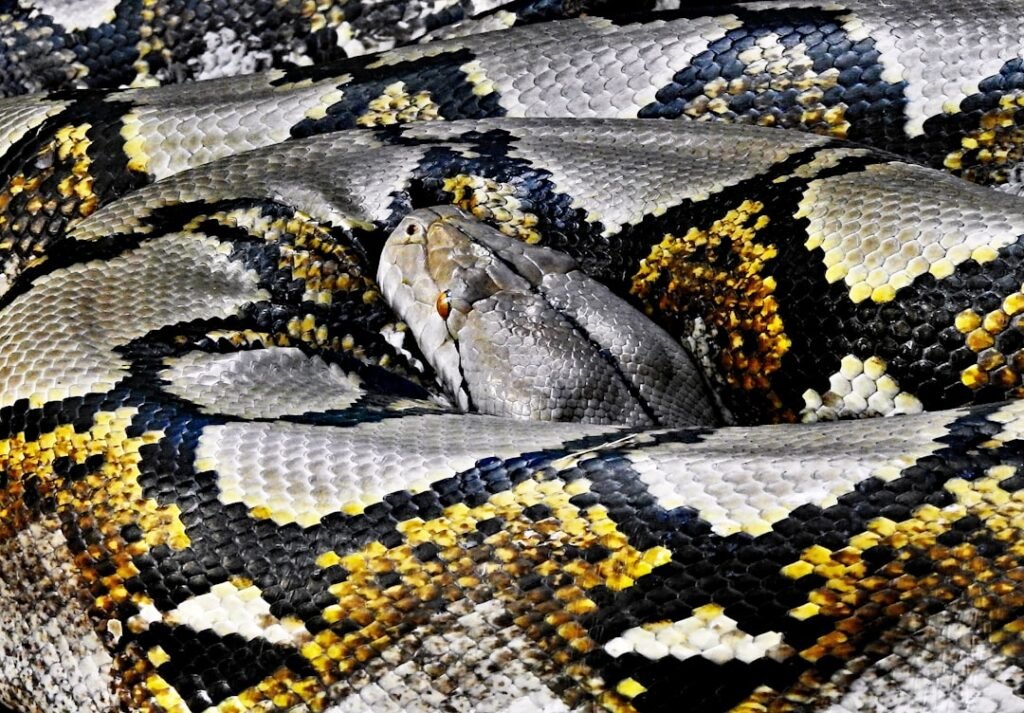
Witnessing your blood python refuse meals can trigger significant anxiety for any dedicated reptile keeper. These magnificent, often temperamental snakes are notorious for their selective eating habits, particularly during acclimation or seasonal shifts. Understanding that occasional feeding refusal is frequently normal—not an immediate crisis—is the first step toward effective resolution. Blood pythons, especially juveniles, possess remarkable resilience and can safely go without food for several weeks. However, persistent refusal requires careful investigation to distinguish between natural fasting behavior and potential health threats. This guide cuts through the panic, providing evidence-based insights into the root causes of feeding refusal and delivering practical, actionable strategies to encourage consistent eating while safeguarding your snake’s long-term health and well-being.
Understanding Normal Fasting vs. Problematic Refusal
Before initiating interventions, it’s crucial to differentiate between typical blood python behavior and genuine cause for concern. Unlike many reptile species, blood pythons (particularly the short-tailed varieties) have evolved to endure extended periods without food in their natural Southeast Asian habitats, where prey availability fluctuates seasonally. Juveniles can safely go 3-4 weeks without eating after acclimating to a new environment, while healthy adults may fast for several months, especially during cooler periods mimicking their native dry season. Key indicators that refusal is likely benign include stable body weight (monitored weekly with a reliable scale), consistent activity levels, alert posture, and retention of their characteristic defensive disposition—often described as having a “nasty temper.” If your snake remains responsive, explores its enclosure, and shows no physical deterioration, patience is often the most appropriate initial response. Documenting refusal duration, last successful meal date, and any subtle behavioral shifts provides essential context for evaluating whether intervention is necessary.
Primary Causes of Blood Python Feeding Refusal
When refusal extends beyond expected fasting windows or coincides with worrying symptoms, systematic evaluation of potential triggers is essential. Blood pythons are highly sensitive to environmental and psychological factors, making these the most frequent culprits behind appetite loss.
Stress and Environmental Disruption
Stress represents the single most common cause of feeding refusal in captive blood pythons. These snakes thrive on routine and security, reacting strongly to changes that disrupt their sense of safety. Critical stressors include:
Worried About Your Reptile's Health?
Upload a photo and get instant AI health analysis. Catch problems before they become expensive vet bills.
Get Free Health Check →- Recent Acquisition or Relocation: Moving to a new enclosure, even within the same home, requires significant adjustment time. Juveniles may take 4-6 weeks to settle before eating consistently.
- Excessive Handling: Frequent or prolonged handling, particularly during typical feeding windows (evening/night), elevates stress hormones and suppresses appetite. Limit handling to essential health checks during refusal periods.
- Inadequate Hiding Spaces: Blood pythons require multiple, snug-fitting hides covering at least 70% of their body length. Open enclosures without secure retreats prevent the snake from feeling safe enough to feed.
- Vibrations and Noise: Proximity to high-traffic areas, loud appliances, or household pets creates constant low-level stress that directly impacts feeding drive.
Resolving these issues often requires enclosure reconfiguration and strict “hands-off” periods of 4-6 weeks to rebuild trust and security.
Habitat Parameter Inconsistencies
Blood pythons demand precise thermal and humidity gradients that closely mirror their tropical origins. Minor deviations can trigger refusal:
- Incorrect Temperature Gradients: Ambient temperatures must range from 82-88°F (28-31°C) with a localized basking spot of 90-92°F (32-33°C). Temperatures below 80°F (27°C) significantly slow digestion and suppress appetite. Use at least two calibrated digital thermometers for verification.
- Humidity Fluctuations: Consistent 70-80% humidity is non-negotiable. Levels below 60% cause dehydration and respiratory irritation, while excessive moisture (above 90%) promotes scale rot. Monitor with a reliable hygrometer and adjust misting or ventilation accordingly.
- Lighting Disturbances: Bright overhead lights or inconsistent day/night cycles disrupt natural feeding rhythms. Use low-wattage nocturnal bulbs for observation and maintain a 12-hour light cycle.
Regularly auditing these parameters with professional-grade equipment—not just relying on thermostat displays—is critical for identifying subtle issues.
Health-Related Feeding Issues: When Refusal Signals Danger
While less common than environmental causes, underlying health problems must be ruled out if refusal persists beyond 8 weeks or presents with alarming symptoms. Unlike stress-induced refusal, medical issues typically manifest with progressive physical decline.
Never Miss Early Warning Signs
AI photo analysis catches subtle health issues humans miss 80% of the time. Early detection = healthier reptile + lower vet bills.
Start Free Trial →Recognizing Critical Warning Signs
Monitor closely for these red flags indicating potential illness:
- Progressive Weight Loss: More than 10% body weight reduction over 4 weeks, measured consistently using the same scale.
- Lethargy and Weakness: Unusual stillness, inability to lift the head, or failure to respond to gentle stimuli.
- Respiratory Distress: Wheezing, bubbling mucus around the mouth/nostrils, or open-mouth breathing—indicative of serious infection.
- Oral Abnormalities: Discoloration inside the mouth (yellow/white patches), swelling, or reluctance to open the mouth—signs of potentially fatal mouth rot (infectious stomatitis).
Crucially, blood pythons with genuine health issues often lose their characteristic defensive behavior, becoming unusually docile—a stark contrast to the “nasty temper” maintained during stress-related fasting.
The Critical Role of Veterinary Diagnosis
Never attempt home treatment for suspected illness. Conditions like parasitic infections (internal/external), bacterial pneumonia, or gastrointestinal blockages require professional diagnosis. A qualified reptile veterinarian will perform:
- Comprehensive physical examination including oral inspection
- Fecal analysis for parasites
- Endoscopic evaluation if internal issues are suspected
- Appropriate diagnostic imaging (radiographs)
Self-diagnosis risks worsening the condition; force-feeding an ill snake can lead to aspiration pneumonia. Early veterinary intervention significantly improves outcomes for treatable conditions.
Join thousands of successful reptile owners
Try ReptileCoach Free →Practical Strategies to Encourage Feeding
Once environmental stressors are addressed and illness ruled out, targeted feeding techniques can reignite appetite. Patience and consistency are paramount—rushing the process often backfires.
Optimizing Feeding Conditions
Create an ideal feeding environment by:
- Feeding in a Separate, Dark Container: Use a quiet, opaque tub lined with familiar substrate to minimize distractions and perceived threats during feeding.
- Timing Meals Appropriately: Offer food 1-2 hours after lights-out when blood pythons are naturally most active. Avoid daytime feeding attempts.
- Ensuring Complete Privacy: Leave the snake completely undisturbed for at least 24 hours post-feeding attempt. Checking too soon triggers regurgitation risk.
- Using Appropriate Prey: Match prey size to the snake’s widest body point. Oversized prey causes rejection; undersized prey lacks appeal. Thaw frozen prey completely and warm to 95-100°F (35-38°C) for optimal scent release.
Advanced Techniques for Stubborn Eaters
For persistent refusal, consider these vet-approved methods:
- Scent Transfer: Rub thawed rodent with scent from more appealing prey (e.g., weasel, bird) using a cotton swab. Never use toxic species.
- Live Prey (Temporary): As a last resort for established juveniles, offer a single live hopper rat or large mouse under direct supervision. Remove immediately if not taken within 15 minutes to prevent injury. Transition back to frozen-thawed ASAP.
- Brumation Simulation: For mature adults refusing food in winter, gradually reduce ambient temperature to 78-82°F (25-28°C) for 4-6 weeks, then slowly warm while offering food. Never use this method for juveniles or underweight snakes.
Avoid force-feeding unless directed by a veterinarian; it causes severe stress and aspiration risk. Never withhold water during refusal periods—hydration remains critical.
"This app saved my bearded dragon's life. The AI caught early MBD in photos I thought looked completely normal. Worth every penny!"
— Sarah K., ReptileCoach User
Get Your Free 7-Day Trial →When to Seek Professional Help
Knowing when to escalate concerns prevents dangerous delays in treatment. Consult a reptile veterinarian immediately if:
- Refusal exceeds 10 weeks for juveniles or 14 weeks for adults with weight loss
- Any respiratory symptoms (wheezing, mucus) appear
- Rapid weight loss (over 15% in 4 weeks) occurs
- The snake exhibits neurological symptoms (tremors, disorientation)
For less urgent cases but persistent refusal beyond 8 weeks, schedule a preventative check-up. Maintain detailed records of feeding attempts, weight measurements, and environmental parameters to provide your vet with actionable data. Reputable breeders experienced with blood pythons can also offer species-specific advice during non-emergency situations, but never substitute breeder guidance for veterinary care when illness is suspected.
Preventing Future Feeding Issues
Proactive husbandry minimizes future refusal episodes. Implement these foundational practices:
- Stable Enclosure Setup: Avoid rearranging hides/decor while the snake is present. Maintain consistent thermal/humidity gradients using redundant monitoring systems.
- Regular Weight Tracking: Weigh monthly during non-feeding periods to establish baseline health metrics. Sudden fluctuations signal emerging issues.
- Stress-Reduced Handling Protocol: Limit handling to 10-15 minutes, 1-2 times weekly, always outside feeding windows. Always support the snake fully.
- Seasonal Awareness: Anticipate reduced appetite during cooler months. Adjust feeding frequency proactively rather than reacting to refusal.
Building trust through predictable routines and respecting the snake’s natural behaviors fosters long-term feeding reliability. Remember that occasional short fasts (2-4 weeks) are normal even in well-established collections—reacting calmly prevents unnecessary stress escalation.
Worried About Your Reptile's Health?
Upload a photo and get instant AI health analysis. Catch problems before they become expensive vet bills.
Get Free Health Check →Successfully navigating blood python feeding refusal hinges on methodical observation, environmental precision, and resisting the urge to over-intervene prematurely. By understanding the distinction between natural fasting behavior and genuine health threats, you can respond with appropriate patience or decisive action. Prioritize stress reduction through secure enclosures and minimal handling, maintain meticulous habitat parameters, and vigilantly monitor for physical warning signs. When in doubt, consult specialized veterinary expertise—never gamble with your snake’s health based on anecdotal advice. With informed care, most blood pythons overcome feeding challenges, rewarding dedicated keepers with decades of captivating companionship. Your commitment to understanding their unique needs transforms feeding anxiety into a manageable aspect of responsible reptile stewardship.
Ready to Give Your Reptile the Best Care?
Stop guessing and start knowing. Get personalized AI-powered care guidance, photo health analysis, and 24/7 expert advice for YOUR specific reptile.
Get Personalized Care Guidance
AI-powered photo analysis and daily care tracking for YOUR reptile
Try Free for 7 Days →