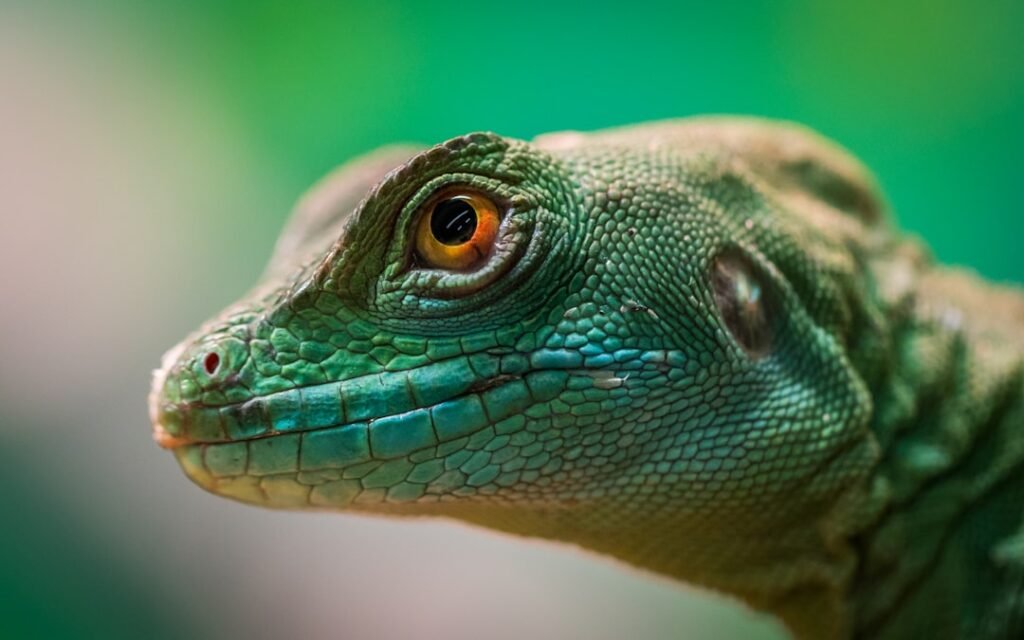
Welcome to the thrilling but demanding world of caiman lizard hatchling care! That tiny, dragon-like creature you just brought home represents one of reptile keeping’s most challenging yet rewarding commitments. The first 30 days are absolutely critical—this period sets the foundation for your hatchling’s long-term health and survival. Caiman lizards are notorious for arriving with heavy parasite loads and extreme sensitivity to environmental stress. According to veterinary experts, improper handling during this initial month is the leading cause of premature death in captives. This guide cuts through the guesswork, giving you precise, vet-backed steps to navigate these crucial first weeks. Forget generic advice; we’re focusing exclusively on the life-or-death details that determine whether your hatchling thrives or becomes another heartbreaking statistic. Let’s get your scaly newcomer through this vulnerable phase successfully.
Quarantine Setup: Your Hatchling’s Safe Space
Forget the “forever enclosure” for now—your hatchling needs a dedicated quarantine tank for the first 30 days. This isn’t optional; it’s essential for monitoring health without cross-contamination risks. Use a simple 20-gallon long terrarium (30″ x 12″ x 12″) with no substrate initially. Bare-bottom enclosures allow you to spot parasites and monitor waste immediately. Line the tank with paper towels changed daily—this prevents impaction from loose substrate and makes hygiene checks effortless. Install a shallow water dish no deeper than 1 inch; hatchlings can drown in deeper water. Add one single hide box made from an upside-down plastic container with a 2″ entrance hole—this mimics burrows and reduces stress. Skip live plants and climbing branches; they complicate cleaning and could injure your fragile hatchling. Position the tank in a quiet room away from foot traffic, with no direct sunlight. Maintain basking temperatures at 88°F (measured with a digital probe thermometer) and ambient temperatures between 80-84°F using a low-wattage ceramic heat emitter controlled by a thermostat. Crucially, avoid UVB lighting during quarantine—many hatchlings arrive stressed and UVB can accelerate dehydration. You’ll introduce lighting gradually after day 15 if health permits.
Feeding Protocol: The First Critical Meals
Feeding a hatchling caiman lizard requires military precision—not a single misstep. For the first two weeks, offer food every 48 hours regardless of apparent appetite. Start with the exact food the breeder used (ask for specifics when purchasing). If unavailable, begin with finely chopped whole prey: pinky mice mixed with 50% snail meat (crushed shells included for calcium). Never offer insects—hatchlings struggle to digest chitin, as noted by Chicago Exotics Animal Hospital. Place food in a shallow ceramic dish at dawn, as this mimics natural feeding rhythms. If your hatchling refuses food, immediately raise water temperature to 86°F in the dish and add floating vegetation for cover—this often triggers feeding instinct. Remove uneaten food after 15 minutes to prevent bacterial growth. By day 10, introduce Mazuri Crocodile Diet moistened to oatmeal consistency—this provides balanced nutrition while easing digestive stress. Hand-feeding is strictly forbidden; use stainless steel tongs to place food near the hide entrance. If refusal persists beyond day 7, consult a reptile vet about appetite stimulants. Remember: obesity isn’t a concern yet, but forced feeding is deadly. Monitor weight weekly with a gram-scale—if weight drops more than 5%, increase meal frequency to every 36 hours.
Hydration and Humidity Management
Humidity control makes or breaks hatchling survival. Caiman lizards require 75-85% humidity during their first month—lower levels cause fatal dehydration within days. Achieve this with a three-pronged approach: First, use a 5-gallon stock tank as your enclosure base (better humidity retention than glass). Second, install a reptile fogger on a 30-minute timer running from dusk until dawn. Third, layer the enclosure with damp sphagnum moss covering 60% of the floor once substrate is introduced after day 10. Check humidity twice daily with a calibrated hygrometer placed at floor level—digital models with external probes prevent false readings from moisture buildup. Water quality is equally critical: change the entire water dish daily using reverse osmosis water to prevent slime buildup from food fats. During water changes, gently rinse your hatchling’s skin with a soft toothbrush dipped in lukewarm water—this removes potentially harmful bacterial films. Never let humidity exceed 90% or condensation forms constantly on walls; this invites fungal infections. If humidity drops below 70%, add a second shallow water dish and reduce ventilation. Mist the moss layer lightly once per day using a hand sprayer, but never spray directly on the lizard.
Worried About Your Reptile's Health?
Upload a photo and get instant AI health analysis. Catch problems before they become expensive vet bills.
Get Free Health Check →Health Monitoring: Spotting Danger Signs Early
Daily health checks are non-negotiable during quarantine. Each morning, observe these critical indicators before disturbing the enclosure: First, check for consistent basking behavior—hatchlings should move to the warm zone within 30 minutes of lights on. Second, examine waste in the paper towel lining; healthy droppings show white urates with firm brown feces. Runny stools or pure urates signal parasites. Third, inspect the eyes—they must be clear and fully open during daylight hours. Sunken eyes indicate severe dehydration. Fourth, monitor appetite progression: refusal on days 1-3 is normal, but consistent refusal after day 5 requires immediate action. Keep a daily log tracking weight, feeding response, and behavior. Pay special attention to these emergency signs requiring same-day vet care: reduced appetite lasting 72+ hours, hiding continuously for 48+ hours, or swollen joints. As highlighted in veterinary studies, hatchlings often hide parasite symptoms until they’re critically ill—hence the 30-day quarantine rule. Schedule a fecal exam with a reptile vet on day 7 regardless of symptoms; most arrive with nematodes needing treatment. Never use over-the-counter dewormers—caiman lizards require species-specific medications administered by professionals.
Handling and Socialization Strategy
Resist the urge to handle your hatchling for the first 21 days—this is the single most common owner mistake. During this period, limit interaction to feeding and health checks only. Approach the enclosure slowly from the side, never overhead (which mimics predator attacks). After day 21, begin brief handling sessions: wash hands thoroughly, approach from the front, and support the entire body with both hands. Never grab the tail—caiman lizards can’t regenerate them. Keep initial sessions under 90 seconds, ending only when the lizard stops struggling. Gradually increase duration weekly, but never exceed 5 minutes daily during month one. Always handle after feeding when the lizard is calm, not during active periods. If your hatchling hisses or flattens its body, return it immediately—these are stress signals. Never handle within 48 hours of veterinary treatment. Remember: trust builds through predictability. Perform all interactions at the same time daily using identical routines. By day 30, your hatchling should tolerate brief handling without defensive behaviors—a crucial milestone before moving to permanent housing.
Transitioning Out of Quarantine
Day 30 isn’t an automatic “all clear”—transition depends entirely on health metrics. Only move your hatchling to its permanent enclosure if it meets all these criteria: consistent weight gain for 14+ days, three consecutive normal fecal tests, daily basking behavior, and acceptance of varied foods (snails, Mazuri, chopped rodents). Before moving, prepare the adult enclosure’s juvenile section: a 4’x2’x2′ space with 8” deep coconut fiber substrate, 50% humidity-controlled coverage, and a 20-gallon water area. Introduce UVB lighting gradually starting at 2% output for 1 hour daily on day 25, increasing by 30 minutes every 3 days. When transferring, do it at dawn using a soft net—never chase the lizard. Place familiar items like the original hide box in the new enclosure. For the first week post-move, maintain the same feeding schedule and skip handling entirely. Monitor closely for stress indicators like refusal to eat or excessive hiding. Only introduce climbing branches after week two in the new space. Remember: your hatchling isn’t “settled” until it consistently eats in the new enclosure for 7 days straight. Rushing this transition causes more failed acclimations than any other factor.
Conclusion: Building Your Foundation for Success
Navigating the first 30 days with a caiman lizard hatchling is undoubtedly intense—but these precise steps transform overwhelming anxiety into confident action. By prioritizing quarantine protocols, disciplined feeding schedules, and proactive health monitoring, you’ve given your hatchling its best possible start. Remember that patience isn’t just a virtue here; it’s a survival requirement. Those initial weeks of minimal handling build the trust that allows for the remarkable intelligence and personality these lizards develop later. Stay vigilant about humidity fluctuations and parasite risks, and never hesitate to consult a specialized reptile vet at the first red flag. As your hatchling doubles in size during this critical period, take pride in knowing you’ve mastered the hardest phase of caiman lizard care. The labor of love begins now, but that dragon-like grin peeking from its hide? That’s your reward for doing the hard work right. Stick to these protocols, and you’ll be well on your way to enjoying decades with one of nature’s most extraordinary reptiles.
Never Miss Early Warning Signs
AI photo analysis catches subtle health issues humans miss 80% of the time. Early detection = healthier reptile + lower vet bills.
Start Free Trial →Ready to Give Your Reptile the Best Care?
Stop guessing and start knowing. Get personalized AI-powered care guidance, photo health analysis, and 24/7 expert advice for YOUR specific reptile.
Get Personalized Care Guidance
AI-powered photo analysis and daily care tracking for YOUR reptile
Try Free for 7 Days →