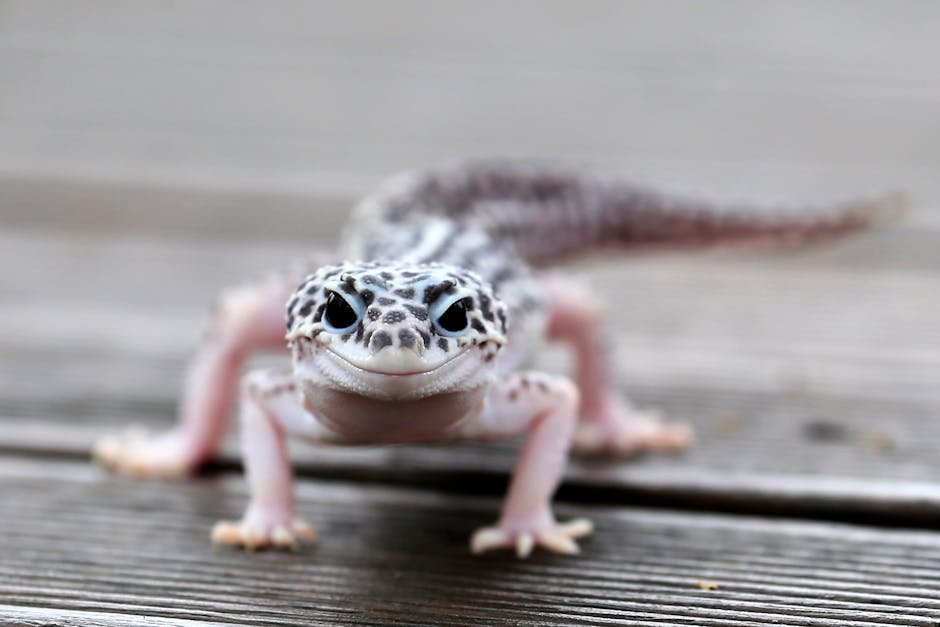
Adopting a leopard gecko with a missing or injured tail isn’t just about giving a second chance—it’s a commitment to specialized care during their most vulnerable time. While a regrown tail might look lumpy or bumpy compared to the original, it’s often a visible sign of past trauma that requires immediate attention. These reptiles store vital fat and nutrients in their tails, so tail loss can trigger serious health complications if not managed correctly. Understanding the nuances of tail injuries in rescue geckos—why they happen, how to support regrowth, and when to seek help—ensures you’re prepared to provide life-saving care from day one. This guide dives deep into the specific challenges of adopting geckos with tail issues, moving beyond basic adoption tips to deliver actionable steps that directly impact their survival and quality of life.
Why Tail Condition Matters in Rescue Geckos
A leopard gecko’s tail isn’t just a decorative feature—it’s a critical survival organ. In the wild, they store up to 70% of their body fat reserves in their tails, acting as an emergency fuel source during food scarcity. When a rescue gecko arrives with a missing tail, it’s often a red flag for deeper issues. Tail drops usually occur due to severe stress, improper handling (like being grabbed by the tail), cohabitation fights, or enclosure hazards like sticky substrates. According to reptile rescue data, over 60% of surrendered geckos with tail injuries also show signs of malnutrition or dehydration because they’ve burned through their nutrient reserves. A freshly dropped tail (still bleeding or moist) indicates recent trauma, while a smooth, knobby regrowth suggests the injury happened weeks or months prior. Crucially, geckos often eat their dropped tails to reclaim nutrients—a “charming” but necessary survival tactic you might witness during rescue intake. This behavior underscores why immediate nutritional support is non-negotiable for adopters.
Immediate Care Steps for New Tail-Injured Rescues
When you bring home a gecko with a fresh tail drop (within 48 hours), your first 72 hours are critical. Start by creating a “hospital setup” in a simple plastic tub lined with paper towels—never loose substrate like sand or coconut fiber, which can trap bacteria in the wound. Isolate the gecko from all stimuli: place the tub in a quiet room away from foot traffic, and avoid handling completely for 5–7 days. Monitor the tail stump closely; minor bleeding usually stops within hours, but persistent oozing or pus requires urgent vet care. During this phase, prioritize hydration and nutrient density. Offer shallow water baths twice daily using a Tupperware lid filled with 1/4 inch of lukewarm water (10 minutes each session), and dust all feeder insects with a 50/50 blend of calcium and multivitamin powder—double the usual amount—to compensate for lost reserves. For geckos refusing food due to stress, try hand-feeding small waxworms (high-fat treats) using tweezers near their hide. Remember: a tailless gecko needs 20–30% more calories daily until regrowth begins. Track weight weekly using a gram-scale; any loss beyond 5% warrants a vet visit.
Managing Tail Regrowth and Long-Term Health
Regrowth typically starts 2–4 weeks post-injury but progresses slowly—often taking 2–3 months for a full (though cosmetically different) tail. During this phase, your focus shifts to preventing complications. First, maintain the paper towel substrate until the stump is fully healed (no pink tissue visible), as loose bedding increases infection risk. Provide a moist hide filled with damp sphagnum moss (not paper towels) on the warm side of the enclosure; this humidity is essential for healthy skin stretching over the regrowing cartilage. Nutritionally, continue high-calorie feeding but transition to a balanced diet: 80% crickets/roaches dusted with calcium (D3-free for juveniles), 20% fatty treats like mealworms. Never skip the vitamin dusting—tail regeneration depletes micronutrients rapidly. Crucially, avoid all cohabitation. Rescues with tail injuries often have heightened stress responses; housing them with other geckos risks renewed aggression and further injury. If your gecko has a regenerated tail (smooth, segmented appearance), handle with extra caution—regrown tails detach more easily. Always scoop from underneath the body, never grab mid-torso. Check weight monthly; a shrinking tail diameter indicates insufficient nutrition, while a bloated tail could signal retained eggs or yolk coelomitis—a life-threatening condition needing immediate surgery.
Worried About Your Reptile's Health?
Upload a photo and get instant AI health analysis. Catch problems before they become expensive vet bills.
Get Free Health Check →Red Flags Requiring Emergency Veterinary Care
Not all tail issues resolve with home care. Recognize these critical warning signs that demand a herp vet within 24 hours: First, blackened or shriveled tail stumps indicate necrosis—dead tissue spreading infection. Second, persistent swelling, oozing yellow/green discharge, or a foul odor signals severe bacterial infection. Third, lethargy combined with refusal to eat for over 7 days (beyond initial stress period) suggests systemic illness. Fourth, a “lumpy” regrowth that stops mid-process or develops open sores may indicate improper cartilage formation. Most urgently, if your gecko’s tail (original or regrown) appears thin while the body wastes away, suspect follicular stasis—a condition where undeveloped eggs constrict the digestive tract. This is especially common in rescue females previously housed with males. As noted by reptile hospitals, untreated follicular stasis leads to yolk coelomitis, where burst egg follicles cause fatal abdominal infections. Do not wait: these geckos need surgical intervention. When choosing a vet, confirm they have reptile-specific experience—many general vets lack protocols for gecko anesthesia or tail-wound debridement. Always call ahead to ensure they accept emergency reptile cases.
Preventing Future Tail Trauma in Your Adopted Gecko
Once your rescue gecko stabilizes, shift focus to prevention. Start with enclosure design: use front-opening glass tanks instead of top-access ones to avoid “predator approach” stress from above. Ensure all hides have multiple entrances/exits so your gecko never feels cornered. Remove all risky decor—sharp rocks, unstable branches, or sticky residues from previous substrates. Critically, never use heat rocks; these unregulated devices cause severe tail burns (a common rescue issue) and should be replaced with under-tank heaters controlled by thermostats. Maintain precise temperatures: 88–92°F on the warm side (with a ceramic heat emitter, not a bulb), 75–80°F on the cool side. Incorrect heat gradients force geckos to press against hot surfaces, risking burns. For handling, limit sessions to 10–15 minutes daily only after 2 weeks of acclimation. Always support the entire body—slide one hand under the chest, the other under the hindquarters—and never lift vertically. If your gecko shows stress signs (hissing, rapid tail vibrations), return them to their hide immediately. Finally, commit to annual vet checkups; rescues often harbor hidden parasites that weaken their stress resilience. Request a fecal exam and weight assessment to catch issues early.
Embracing the Journey: Why Tail-Injured Rescues Thrive
Adopting a leopard gecko with tail damage is a profound act of compassion that transforms both your life and theirs. While their regrown tails may never match store-bought “perfect” geckos, these resilient creatures adapt remarkably well with proper care—often becoming exceptionally tame and trusting companions. Remember that every bump on a regrown tail tells a story of survival, not deficiency. By mastering the specific needs outlined here—from hyper-focused nutrition during regrowth to vigilant infection monitoring—you’re not just treating an injury; you’re rebuilding a foundation of trust that erases past trauma. The veterinary community confirms that tail-injured rescues live full 15–20 year lifespans when given species-appropriate care, debunking myths about their “value.” As you witness your gecko’s confidence grow—accepting food from your hand, basking openly, or even curling their tail gently around your finger—you’ll realize the true reward isn’t a flawless appearance, but the deep bond forged through dedicated, informed care. Choose adoption not despite the tail injury, but as an opportunity to prove that every gecko, regardless of their past, deserves a future defined by compassion and expertise. Your commitment turns survival into thriving, one nutrient-dense meal and gentle handling session at a time.
Ready to Give Your Reptile the Best Care?
Stop guessing and start knowing. Get personalized AI-powered care guidance, photo health analysis, and 24/7 expert advice for YOUR specific reptile.
Get Personalized Care Guidance
AI-powered photo analysis and daily care tracking for YOUR reptile
Try Free for 7 Days →