
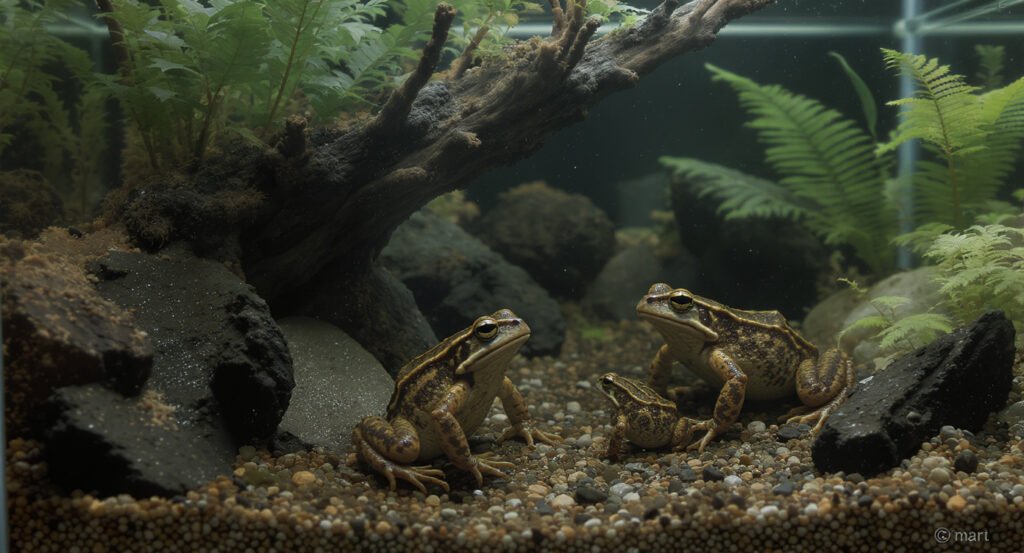
Fire belly toads are among the most captivating amphibians in the pet trade, known for their striking orange and black bellies that serve as a warning to predators. These hardy, active toads make excellent pets for both beginners and experienced keepers. Whether you’re considering your first fire belly toad or looking to refine your care routine, this comprehensive guide will help you provide the best possible environment for these fascinating creatures.
Understanding Fire Belly Toads
Fire belly toads belong to the genus Bombina, with the Oriental fire belly toad (Bombina orientalis) being the most common species in captivity. Native to northeastern China, Korea, and parts of Russia, these semi-aquatic amphibians thrive in cool, moist environments. Adults typically reach 1.5 to 2 inches in length and can live 10-15 years with proper care, making them a long-term commitment.
Setting Up the Perfect Habitat
Tank Size and Type
A 10-gallon aquarium is the minimum size for 2-3 fire belly toads, though larger is always better. These toads are social and do well in small groups. A 20-gallon long tank provides ample space for a group of 4-5 individuals. Since fire belly toads are excellent climbers and jumpers, always use a secure screen lid to prevent escapes.
Creating a Semi-Aquatic Environment
Fire belly toads require both land and water areas. The ideal setup includes:
Worried About Your Reptile's Health?
Upload a photo and get instant AI health analysis. Catch problems before they become expensive vet bills.
Get Free Health Check →- Water section: 2-4 inches deep, covering about 60-70% of the tank floor
- Land area: A sloped beach or platforms where toads can completely exit the water
- Substrate: Smooth river rocks or aquarium gravel for the water section; avoid small gravel that could be ingested
- Plants: Live or artificial plants provide hiding spots and help maintain humidity
Water Quality
Water quality is crucial for fire belly toad health. Use dechlorinated or treated water, as chlorine and chloramines are toxic to amphibians. A small sponge filter helps maintain clean water without creating strong currents. Perform partial water changes (25-30%) weekly, and completely clean the tank monthly.
Temperature and Lighting
Fire belly toads are temperate species that prefer cooler conditions than many tropical amphibians:
- Temperature range: 65-75°F (18-24°C)
- Night temperature: Can drop to 60-65°F (15-18°C)
- Lighting: Standard room lighting or low-wattage LED aquarium lights on a 12-hour cycle
Avoid heat lamps unless your room temperature drops below 60°F. Overheating is more dangerous than cooler temperatures for these toads. If additional heating is needed, use an under-tank heater on one side of the enclosure to create a temperature gradient.
Feeding Your Fire Belly Toads
Diet Basics
Fire belly toads are insectivores with hearty appetites. Feed adults 3-4 times per week, offering a variety of:
Never Miss Early Warning Signs
AI photo analysis catches subtle health issues humans miss 80% of the time. Early detection = healthier reptile + lower vet bills.
Start Free Trial →- Crickets (appropriately sized, no larger than the space between the toad’s eyes)
- Small earthworms
- Waxworms (occasional treat, high in fat)
- Fruit flies (for younger toads)
- Small mealworms
Supplementation
Dust feeder insects with a quality reptile vitamin and calcium supplement. Use calcium with D3 once weekly and a multivitamin once weekly, alternating between the two. This supplementation schedule helps prevent metabolic bone disease and nutritional deficiencies.
Handling and Behavior
Fire belly toads are best appreciated as display animals rather than pets for frequent handling. Their skin secretes mild toxins as a defense mechanism, which can cause irritation to mucous membranes. If you must handle your toads, always:
- Wet your hands first
- Handle them gently and briefly
- Wash your hands thoroughly afterward
- Never touch your face or eyes during or immediately after handling
These toads are most active during dawn and dusk hours. You’ll often see them floating at the water’s surface or basking on land areas during the day.
Health Concerns and Signs of Illness
Fire belly toads are generally hardy, but watch for these warning signs:
Join thousands of successful reptile owners
Try ReptileCoach Free →- Lethargy or lack of appetite for more than a week
- Bloating or sudden weight loss
- Cloudy eyes or skin discoloration
- Excessive skin shedding or retained shed
- Sitting in unusual positions or difficulty swimming
Many health issues stem from poor water quality, improper temperatures, or nutritional deficiencies. Regular maintenance and proper husbandry prevent most problems. If you notice concerning symptoms, consult a veterinarian experienced with amphibians.
Conclusion
Fire belly toads make rewarding pets for keepers who appreciate their vibrant colors, interesting behaviors, and relatively straightforward care requirements. By providing clean water, appropriate temperatures, varied diet, and a properly designed habitat, you’ll enjoy watching these captivating amphibians thrive for many years. Remember that success with fire belly toads—like all reptiles and amphibians—comes down to consistency in care and attention to environmental details.
Ready to take your reptile and amphibian keeping to the next level? Check out the ReptileCoach app for personalized care schedules, feeding reminders, and expert guidance for all your exotic pets. Join thousands of keepers who trust ReptileCoach to help them provide the best care possible.
Ready to Give Your Reptile the Best Care?
Stop guessing and start knowing. Get personalized AI-powered care guidance, photo health analysis, and 24/7 expert advice for YOUR specific reptile.
Get Personalized Care Guidance
AI-powered photo analysis and daily care tracking for YOUR reptile
Try Free for 7 Days →