
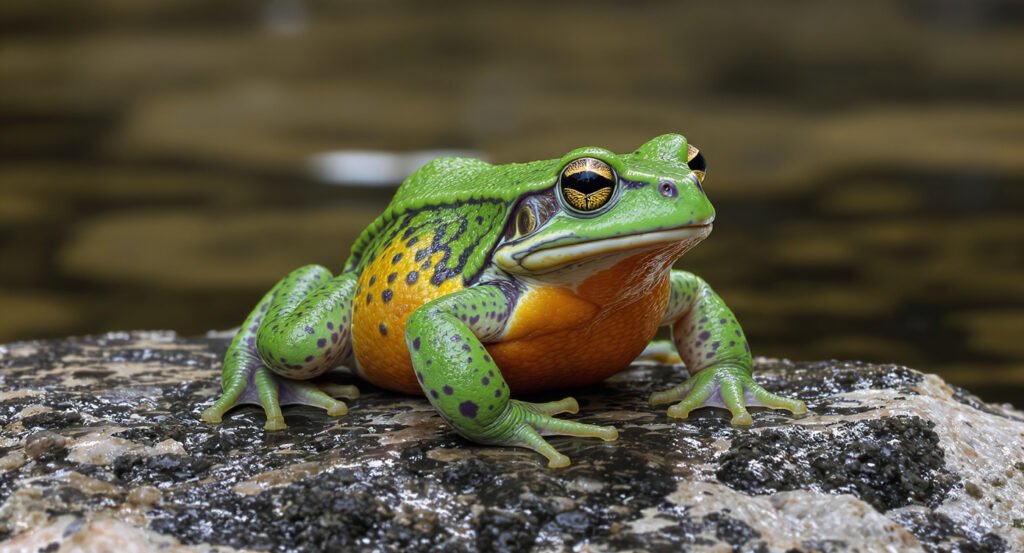
Introduction to Fire Belly Toad Care
Fire belly toads are among the most vibrant and beginner-friendly amphibians you can keep as pets. With their striking orange or red bellies and relatively easy care requirements, these small toads make excellent first pets for aspiring amphibian keepers. This comprehensive guide will walk you through everything you need to know about fire belly toad care, from setting up the perfect habitat to providing proper nutrition.
Understanding Fire Belly Toads
Fire belly toads (Bombina orientalis) are semi-aquatic amphibians native to northeastern China, Korea, and parts of Russia. They typically grow to 1.5-2 inches in length and can live 10-15 years with proper care. Their distinctive bright bellies serve as a warning to predators about the mild toxins they secrete through their skin, so always wash your hands after handling them.
Fire Belly Toad Setup: Creating the Perfect Habitat
A proper fire belly toad setup is crucial for your pet’s health and happiness. These toads need both land and water areas since they’re semi-aquatic creatures.
Tank Size and Type
For 2-3 fire belly toads, start with a minimum 10-gallon aquarium, though a 20-gallon long tank is ideal. The enclosure should be wider than it is tall, as these toads don’t climb much but need adequate floor space. A secure screen lid is essential to prevent escapes while allowing proper ventilation.
Worried About Your Reptile's Health?
Upload a photo and get instant AI health analysis. Catch problems before they become expensive vet bills.
Get Free Health Check →Land and Water Areas
Your fire belly toad setup should include:
- A water section that covers roughly 60-70% of the tank floor
- Water depth of 2-4 inches (toads should be able to touch the bottom)
- A land area with a gradual slope for easy access
- Smooth river rocks or aquarium-safe decorations to create the land portion
- Live or artificial plants for hiding spots and security
Substrate Options
For the land area, use amphibian-safe substrates like:
- Coconut fiber (eco earth)
- Sphagnum moss
- Large smooth river rocks
Avoid gravel small enough to be accidentally ingested, as this can cause impaction.
Water Quality and Filtration
Fire belly toads absorb water through their skin, making water quality critical. Use dechlorinated water or let tap water sit for 24 hours before adding it to the tank. A small aquarium filter helps maintain clean water, but ensure the current isn’t too strong. Perform partial water changes (25-50%) weekly to maintain optimal conditions.
Never Miss Early Warning Signs
AI photo analysis catches subtle health issues humans miss 80% of the time. Early detection = healthier reptile + lower vet bills.
Start Free Trial →Temperature and Lighting
Maintain temperatures between 65-75°F (18-24°C). Fire belly toads can tolerate room temperature in most homes, but avoid placing the tank in direct sunlight or near heat sources. They don’t require UVB lighting but benefit from a standard day-night cycle (12 hours light, 12 hours dark).
Humidity Requirements
Keep humidity levels between 50-70%. The water section naturally provides humidity, but you can mist the tank daily if needed. A hygrometer helps monitor humidity levels accurately.
Fire Belly Toad Diet: Feeding Your Pet Properly
A varied fire belly toad diet is essential for long-term health. These carnivorous toads have hearty appetites and enthusiastic feeding responses.
Primary Food Sources
Fire belly toads thrive on live prey, including:
Join thousands of successful reptile owners
Try ReptileCoach Free →- Crickets (appropriately sized – no larger than the space between the toad’s eyes)
- Small earthworms
- Bloodworms
- Blackworms
- Fruit flies (for younger toads)
- Small waxworms (occasional treat only)
Feeding Schedule and Portions
Adult fire belly toads should be fed every 2-3 days, while juveniles eat daily. Offer as much as they’ll consume in 15 minutes, typically 3-6 appropriately sized insects per feeding. Remove uneaten food to prevent water quality issues.
Supplementation
Dust feeder insects with reptile calcium powder (without D3) at every feeding. Use a multivitamin supplement once weekly. This ensures your toads receive essential nutrients that might be lacking in captive-bred prey.
Feeding Tips
- Use feeding tongs to prevent accidental bites
- Gut-load insects 24 hours before feeding for better nutrition
- Offer variety to prevent nutritional deficiencies
- Never feed wild-caught insects that may contain pesticides
Health and Maintenance
Common Health Issues
Watch for signs of illness including lethargy, loss of appetite, skin discoloration, or difficulty swimming. Red leg disease (bacterial infection) and fungal infections are the most common health problems, usually caused by poor water quality.
Tank Maintenance Schedule
- Daily: Check temperature, remove uneaten food, spot-clean waste
- Weekly: Partial water change (25-50%), clean decorations
- Monthly: Deep clean of land area, replace substrate as needed
Handling Best Practices
Minimize handling as amphibian skin is sensitive and they can become stressed. When necessary, use wet hands and handle gently for short periods. Always wash hands before and after to protect both you and your toad.
"This app saved my bearded dragon's life. The AI caught early MBD in photos I thought looked completely normal. Worth every penny!"
— Sarah K., ReptileCoach User
Get Your Free 7-Day Trial →Behavior and Compatibility
Fire belly toads are social creatures that do well in small groups of 2-4 individuals. They’re most active during dawn and dusk, often floating at the water surface or resting on land areas. Their distinctive croaking is normal behavior, especially during breeding season.
Ready to Become a Fire Belly Toad Expert?
Now that you understand the fundamentals of fire belly toad care, you’re well-equipped to provide an excellent home for these fascinating amphibians. Remember that successful fire belly toad setup requires attention to both aquatic and terrestrial needs, while a proper fire belly toad diet ensures long-term health and vitality. For personalized care schedules, feeding reminders, and expert guidance tailored to your specific setup, check out the Reptile Coach app. Our comprehensive tools help both beginners and experienced keepers track husbandry parameters, log feedings, and maintain optimal care routines for their amphibian companions.
Ready to Give Your Reptile the Best Care?
Stop guessing and start knowing. Get personalized AI-powered care guidance, photo health analysis, and 24/7 expert advice for YOUR specific reptile.
Get Personalized Care Guidance
AI-powered photo analysis and daily care tracking for YOUR reptile
Try Free for 7 Days →