
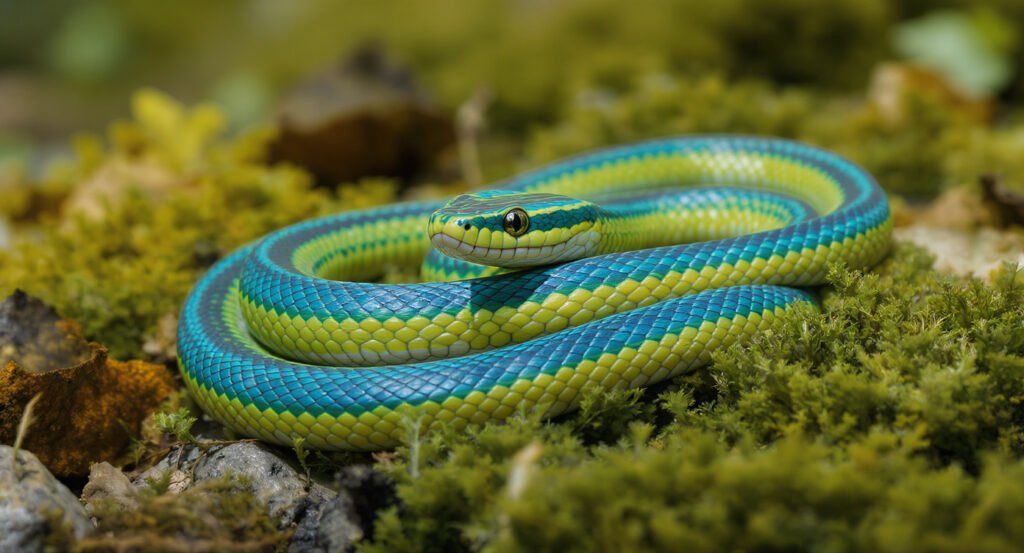
Garter snakes are among the most popular starter snakes for beginner reptile enthusiasts, and for good reason. These small, docile serpents are hardy, relatively easy to care for, and make excellent pets for those new to snake keeping. Whether you’ve just brought home your first garter snake or you’re considering adding one to your family, this comprehensive care guide will help you provide the best possible environment for your new scaled companion.
Why Garter Snakes Make Perfect Beginner Pets
Before diving into care requirements, it’s worth understanding what makes garter snakes such ideal reptiles for newcomers. These North American natives typically grow to 18-26 inches in length, remain relatively inexpensive to maintain, and have calm temperaments when regularly handled. Unlike some larger snake species, garter snakes rarely bite and adapt well to captive environments when provided with proper care.
Setting Up the Perfect Garter Snake Habitat
Creating an appropriate enclosure is the foundation of successful garter snake care. Your setup will directly impact your snake’s health, stress levels, and overall quality of life.
Enclosure Size and Type
A 20-gallon long aquarium or terrarium is the minimum recommended size for an adult garter snake. Juveniles can start in smaller 10-gallon enclosures, but they’ll quickly outgrow this space. Glass aquariums work well because they maintain humidity, provide excellent visibility, and are easy to clean. Ensure your enclosure has a secure, escape-proof lid with ventilation—garter snakes are notorious escape artists!
Worried About Your Reptile's Health?
Upload a photo and get instant AI health analysis. Catch problems before they become expensive vet bills.
Get Free Health Check →Substrate Options
Choose substrates that maintain humidity while being safe for your snake. Aspen shavings, cypress mulch, and coconut fiber are all excellent choices. Avoid cedar and pine shavings, as these contain oils toxic to reptiles. Paper towels work well for quarantine or temporary housing and make it easier to monitor your snake’s health during the adjustment period.
Temperature and Lighting Requirements
Garter snakes are ectothermic, meaning they rely on external heat sources to regulate body temperature. Create a thermal gradient with a basking spot of 85-90°F on one end and a cooler area of 70-75°F on the other. Use an under-tank heating pad or ceramic heat emitter rather than heat rocks, which can cause burns. Nighttime temperatures can drop to 65-70°F. While garter snakes don’t require UVB lighting like some reptiles, providing a low-level UVB bulb can benefit their overall health and natural behavior.
Humidity and Water
Maintain humidity levels between 40-60% by misting the enclosure daily and providing a large water bowl. Garter snakes love to soak, especially before shedding, so ensure the water dish is large enough for your snake to submerge its entire body. Change the water daily to prevent bacterial growth.
Hiding Spots and Enrichment
Provide at least two hiding spots—one on the warm side and one on the cool side of the enclosure. Commercial reptile caves, cork bark, or even cardboard boxes work well. Add climbing branches and artificial plants to create a more stimulating environment. Garter snakes are more active than many snake species and will appreciate the enrichment.
Never Miss Early Warning Signs
AI photo analysis catches subtle health issues humans miss 80% of the time. Early detection = healthier reptile + lower vet bills.
Start Free Trial →Feeding Your Garter Snake: A Complete Nutrition Guide
Proper nutrition is crucial for your garter snake’s growth and longevity. In the wild, these snakes have diverse diets including earthworms, small fish, and amphibians.
What to Feed
Captive garter snakes thrive on a diet of appropriately-sized fish (minnows, guppies), earthworms, and occasionally pinkie mice. Many keepers use thawed frozen fish to avoid potential parasite transmission from live prey. Avoid feeding goldfish exclusively, as they contain thiaminase, an enzyme that breaks down vitamin B1 and can cause nutritional deficiencies.
Feeding Schedule
Juvenile garter snakes should eat every 3-4 days, while adults can be fed once or twice weekly. Adjust portions based on your snake’s body condition—you should see a slight taper from the head to the tail without prominent ribs or a saggy appearance. Remove uneaten food after 30 minutes to prevent water quality issues.
Handling and Temperament Tips
Garter snakes generally tolerate handling well, though individual personalities vary. Allow your new snake 5-7 days to settle into its enclosure before attempting to handle it. Start with short 5-10 minute sessions and gradually increase duration as your snake becomes comfortable. Always support the snake’s body and avoid restraining the head, which can cause stress. Some garter snakes may release musk when frightened—this is a defense mechanism and typically decreases with regular, gentle handling.
Join thousands of successful reptile owners
Try ReptileCoach Free →Common Health Issues and Prevention
While garter snakes are generally hardy, watch for these common health concerns:
Respiratory Infections
Symptoms include wheezing, mucus around the nostrils, and open-mouth breathing. These often result from temperatures that are too low or excessive humidity. Maintain proper environmental conditions and consult a reptile veterinarian if symptoms appear.
Parasites
Wild-caught garter snakes may harbor internal parasites. Even captive-bred specimens can develop issues. Annual fecal examinations by a qualified vet help catch problems early.
Shedding Problems
Incomplete sheds (dysecdysis) usually indicate inadequate humidity. If your snake has stuck shed, especially around the eyes, provide a humid hide box and consider a lukewarm bath to help loosen the skin.
"This app saved my bearded dragon's life. The AI caught early MBD in photos I thought looked completely normal. Worth every penny!"
— Sarah K., ReptileCoach User
Get Your Free 7-Day Trial →Taking Your Reptile Care to the Next Level
As you gain confidence with your garter snake, you might want to optimize every aspect of their care. The Reptile Coach app provides personalized care schedules, feeding reminders, health tracking, and expert guidance tailored specifically to your snake’s needs. It’s like having a reptile specialist in your pocket!
Final Thoughts on Garter Snake Care
Garter snakes offer reptile enthusiasts an engaging, manageable introduction to snake keeping. By providing appropriate housing, nutrition, and regular health monitoring, your garter snake can thrive for 10-15 years in captivity. Remember that every snake has unique preferences and personality traits—observe your pet closely and adjust care as needed. With patience and attention to detail, you’ll develop a rewarding relationship with your garter snake that deepens your appreciation for these fascinating reptiles.
Ready to Give Your Reptile the Best Care?
Stop guessing and start knowing. Get personalized AI-powered care guidance, photo health analysis, and 24/7 expert advice for YOUR specific reptile.
Get Personalized Care Guidance
AI-powered photo analysis and daily care tracking for YOUR reptile
Try Free for 7 Days →