
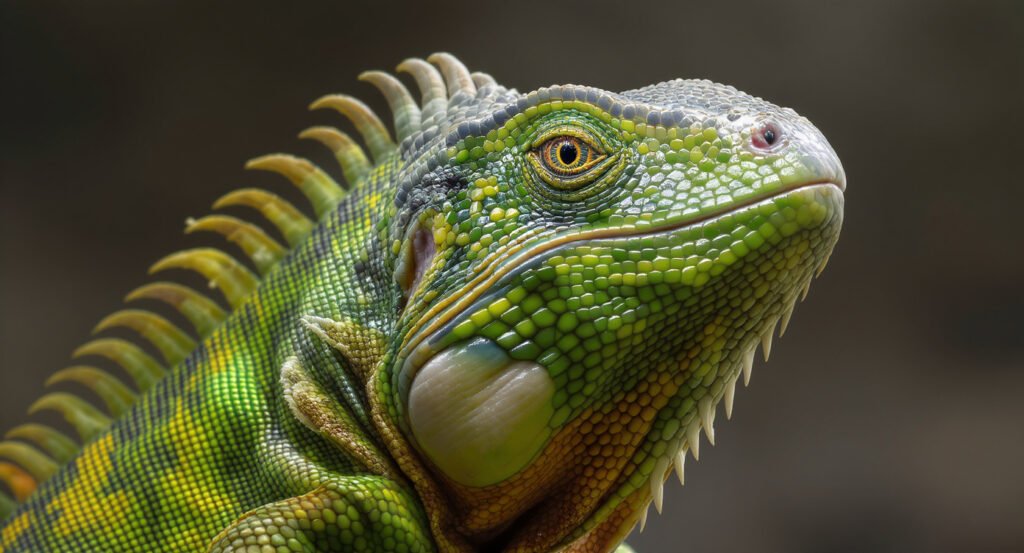
Understanding Your Green Iguana’s Nutritional Needs
Green iguanas are strict herbivores that require a carefully balanced diet to thrive in captivity. Many new reptile owners struggle with providing proper nutrition, leading to common health issues like metabolic bone disease and vitamin deficiencies. This comprehensive guide will help you create the perfect feeding plan for your green iguana.
What Do Green Iguanas Eat in the Wild?
In their natural habitat throughout Central and South America, green iguanas consume a wide variety of leaves, flowers, and fruits. Understanding their wild diet helps us replicate proper nutrition in captivity. Wild iguanas are opportunistic feeders that favor:
- Fresh leaves from trees and shrubs
- Flowers and flower buds
- Occasional fruits during fruiting seasons
- Tender shoots and young plant growth
The Ideal Captive Green Iguana Diet
A proper captive diet should consist of approximately 80-90% leafy greens and vegetables, with 10-20% fruits and flowers. The key is variety and proper calcium-to-phosphorus ratios.
Best Staple Greens for Daily Feeding
These calcium-rich greens should form the foundation of your iguana’s diet:
Worried About Your Reptile's Health?
Upload a photo and get instant AI health analysis. Catch problems before they become expensive vet bills.
Get Free Health Check →- Collard greens
- Mustard greens
- Turnip greens
- Dandelion greens
- Escarole
- Endive
- Butternut squash (cooked)
Supplementary Vegetables and Greens
Rotate these options to add variety and additional nutrients:
- Green beans
- Bell peppers (red, yellow, orange)
- Carrots (shredded, occasional)
- Squash varieties
- Okra
- Parsley (in moderation)
Safe Fruits for Green Iguanas
Fruits should be offered sparingly as treats, comprising no more than 10-15% of the total diet:
- Mango
- Papaya
- Figs
- Berries (strawberries, blueberries)
- Melon
- Banana (occasional)
Foods to Avoid
Certain foods are toxic or nutritionally inappropriate for green iguanas. Never feed your iguana:
- Animal protein (insects, meat, eggs, dairy)
- Spinach and beet greens (high oxalates)
- Iceberg lettuce (no nutritional value)
- Avocado (toxic)
- Rhubarb
- Processed human foods
Calcium and Vitamin Supplementation
Even with a perfect diet, captive iguanas require supplementation to prevent metabolic bone disease. Dust fresh foods with calcium powder (without phosphorus) 5-7 times per week. Use a vitamin D3 supplement 2-3 times per week, and a multivitamin once weekly.
Never Miss Early Warning Signs
AI photo analysis catches subtle health issues humans miss 80% of the time. Early detection = healthier reptile + lower vet bills.
Start Free Trial →The Calcium-to-Phosphorus Ratio
Green iguanas need a calcium-to-phosphorus ratio of approximately 2:1 in their overall diet. This prevents bone disease and supports proper growth. Choose foods naturally high in calcium and low in phosphorus, and always supplement appropriately.
Feeding Schedule and Portion Sizes
Young iguanas (under 1 year) should be fed daily, while adults can be fed 5-6 times per week. Offer a salad bowl that equals approximately 10-15% of your iguana’s body weight. Remove uneaten food after 12 hours to prevent bacterial growth.
Proper Food Preparation
To maximize nutrition and digestibility:
- Chop all foods into bite-sized pieces appropriate for your iguana’s size
- Mix ingredients thoroughly so your iguana can’t pick out only favorite items
- Lightly mist the salad to provide hydration
- Serve at room temperature
- Present food in shallow dishes at floor level
Hydration Requirements
While iguanas obtain most hydration from their leafy diet, always provide a large, shallow water dish. Many iguanas prefer to soak in their water, so ensure the dish is large enough for soaking but shallow enough to prevent drowning. Mist your iguana daily and maintain proper humidity levels of 65-75%.
Join thousands of successful reptile owners
Try ReptileCoach Free →Common Dietary Mistakes
Many well-intentioned iguana owners make these feeding errors:
- Feeding too much fruit, leading to obesity and nutritional imbalances
- Providing animal protein, which damages kidneys
- Inconsistent supplementation
- Offering foods with poor calcium ratios
- Not providing enough variety
- Feeding inappropriate grocery store greens
Track Your Iguana’s Health and Diet
Monitoring your green iguana’s diet, weight, and overall health is essential for catching problems early. Track your reptile’s health on ReptileCoach App to maintain detailed feeding logs, set supplementation reminders, and monitor growth patterns. Our app helps you ensure your iguana receives consistent, balanced nutrition year-round.
Signs of Proper Nutrition
A well-fed green iguana displays these healthy characteristics:
- Bright, alert eyes
- Strong, straight limbs with no bowing
- Smooth, vibrant skin
- Regular defecation
- Steady growth rate (in juveniles)
- Active behavior and good appetite
- Proper body condition (not thin or obese)
Conclusion
Providing a proper diet is the foundation of green iguana care. By offering a varied selection of calcium-rich greens, appropriate vegetables, and occasional fruits—while avoiding harmful foods—you’ll support your iguana’s long-term health. Remember to supplement appropriately, maintain feeding schedules, and monitor your pet’s condition regularly. With dedication and knowledge, your green iguana can thrive for 15-20 years or more in captivity.
"This app saved my bearded dragon's life. The AI caught early MBD in photos I thought looked completely normal. Worth every penny!"
— Sarah K., ReptileCoach User
Get Your Free 7-Day Trial →Ready to Give Your Reptile the Best Care?
Stop guessing and start knowing. Get personalized AI-powered care guidance, photo health analysis, and 24/7 expert advice for YOUR specific reptile.
Get Personalized Care Guidance
AI-powered photo analysis and daily care tracking for YOUR reptile
Try Free for 7 Days →