
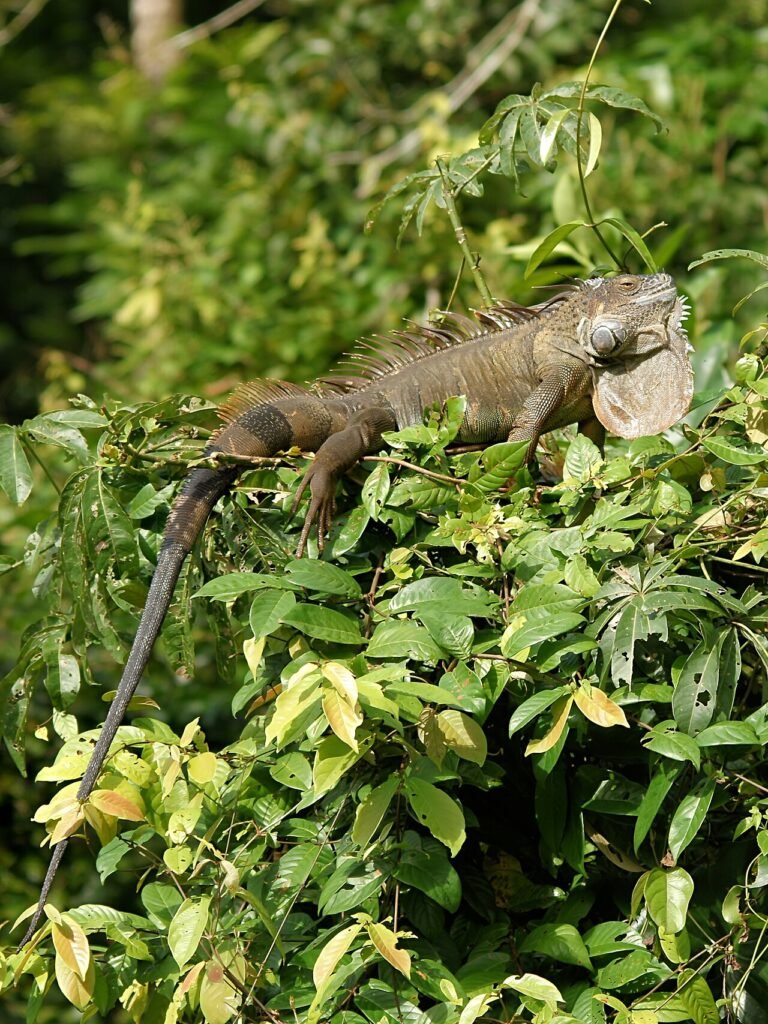
Green iguanas are popular reptile pets known for their impressive size and vibrant coloration, but their dietary needs are often misunderstood. Feeding your green iguana the wrong foods can lead to serious health problems, including metabolic bone disease and organ failure. This comprehensive guide will help you understand exactly what your green iguana needs to thrive.
Understanding Green Iguana Nutritional Needs
Green iguanas are strict herbivores, meaning they eat only plant-based foods. In the wild, they consume a variety of leaves, flowers, and fruits. Their digestive system is specifically designed to break down plant matter, and feeding them animal protein can cause kidney damage over time.
The key to a healthy green iguana diet is variety and balance. Your iguana needs the right calcium-to-phosphorus ratio (ideally 2:1), adequate fiber for digestion, and essential vitamins for metabolic function.
What to Feed Your Green Iguana
Staple Greens (70-80% of Diet)
The foundation of your iguana’s diet should consist of dark, leafy greens that are high in calcium and nutrients:
Worried About Your Reptile's Health?
Upload a photo and get instant AI health analysis. Catch problems before they become expensive vet bills.
Get Free Health Check →- Collard greens
- Mustard greens
- Turnip greens
- Dandelion greens
- Endive
- Escarole
- Arugula
- Watercress
These greens should be fresh, thoroughly washed, and chopped into manageable pieces. Rotate between different greens daily to provide nutritional variety.
Vegetables (15-20% of Diet)
Add these vegetables to provide additional nutrients and variety:
- Butternut squash (grated or steamed)
- Yellow squash
- Green beans
- Bell peppers (red, yellow, or orange)
- Carrots (grated, in moderation)
- Sweet potato (cooked, occasionally)
Fruits (5-10% of Diet)
Fruits should be treated as occasional treats due to their high sugar content. Offer small amounts 1-2 times per week:
- Figs
- Papaya
- Mango
- Berries (strawberries, blueberries)
- Melon
Foods to Avoid
Some foods are toxic or harmful to green iguanas and should never be offered:
Never Miss Early Warning Signs
AI photo analysis catches subtle health issues humans miss 80% of the time. Early detection = healthier reptile + lower vet bills.
Start Free Trial →- Spinach and chard (high in oxalates that bind calcium)
- Lettuce (iceberg or romaine – minimal nutritional value)
- Cabbage and broccoli (goitrogens that interfere with thyroid function)
- Animal protein (insects, meat, eggs, or dairy)
- Processed human foods
- Avocado (toxic to reptiles)
Feeding Schedule and Portion Sizes
Young iguanas (under 2 years) should be fed daily, while adults can be fed every other day. Offer a portion roughly the size of your iguana’s head. Remove uneaten food after a few hours to prevent spoilage and bacterial growth.
Always provide fresh, clean water in a large bowl. Many iguanas will also soak in their water dish, so change the water daily.
Calcium and Vitamin Supplementation
Even with a balanced diet, green iguanas often need calcium supplementation. Dust their food with calcium powder (without vitamin D3 for iguanas with UVB exposure) 3-4 times per week for juveniles and 2-3 times per week for adults.
A multivitamin supplement should be added once per week. Be cautious not to over-supplement, as this can cause health issues.
Join thousands of successful reptile owners
Try ReptileCoach Free →Signs of Poor Nutrition
Watch for these warning signs that indicate dietary problems:
- Lethargy and weakness
- Swollen limbs or jaw (metabolic bone disease)
- Weight loss or failure to grow
- Soft or rubbery bones
- Lack of appetite
- Abnormal feces
If you notice any of these symptoms, consult a reptile veterinarian immediately. Early intervention can prevent permanent damage.
Preparing Iguana Meals
Creating balanced meals for your iguana doesn’t have to be complicated. Follow this simple formula: mix 3-4 types of staple greens as your base, add 1-2 vegetables, and occasionally include a small amount of fruit. Chop everything into bite-sized pieces and toss together in a bowl.
Many iguana owners prepare meals in advance by chopping and mixing greens for the week, storing them in airtight containers in the refrigerator. This saves time and ensures you always have fresh food ready.
"This app saved my bearded dragon's life. The AI caught early MBD in photos I thought looked completely normal. Worth every penny!"
— Sarah K., ReptileCoach User
Get Your Free 7-Day Trial →Hydration Matters
Green iguanas get moisture from their food and water bowl, but they also benefit from daily misting. Spray your iguana lightly with water each day, or provide soaking opportunities 2-3 times per week in lukewarm water. Proper hydration supports digestion, shedding, and overall health.
Final Thoughts
Feeding your green iguana properly is one of the most important aspects of reptile care. By providing a varied diet of calcium-rich greens, appropriate vegetables, and occasional fruits, along with proper supplementation, you’ll help your iguana live a long, healthy life. Remember that diet is just one component—adequate UVB lighting, proper temperatures, and regular veterinary care are equally essential.
Ready to track your reptile’s health and feeding schedule? Try ReptileCoach App — the all-in-one care tool for reptile owners.
Ready to Give Your Reptile the Best Care?
Stop guessing and start knowing. Get personalized AI-powered care guidance, photo health analysis, and 24/7 expert advice for YOUR specific reptile.
Get Personalized Care Guidance
AI-powered photo analysis and daily care tracking for YOUR reptile
Try Free for 7 Days →