Understanding Your Green Iguana’s Nutritional Needs
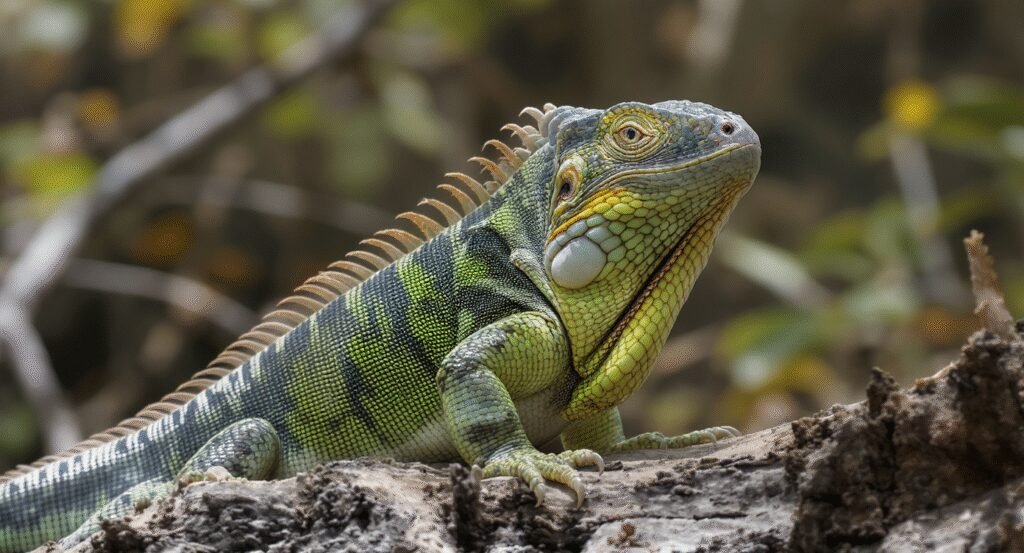
Green iguanas are strict herbivores that require a carefully balanced diet to thrive in captivity. Unlike many other reptiles, these magnificent creatures need a plant-based diet rich in calcium, fiber, and essential vitamins. Getting their nutrition right is the foundation of iguana health and longevity.
In the wild, green iguanas spend their days foraging through tropical canopies, selecting from hundreds of plant species. As a reptile keeper, your goal is to recreate this nutritional diversity using readily available vegetables, greens, and occasional fruits.
The 80-10-10 Rule for Green Iguana Diet
The ideal green iguana diet follows the 80-10-10 principle: 80% dark leafy greens, 10% vegetables, and 10% fruits. This ratio ensures your iguana receives adequate calcium, minimizes oxalates and goitrogens, and prevents obesity from excessive sugar intake.
Best Leafy Greens (80% of Diet)
Dark leafy greens should form the bulk of every meal. The best options include:
Worried About Your Reptile's Health?
Upload a photo and get instant AI health analysis. Catch problems before they become expensive vet bills.
Get Free Health Check →- Collard greens – Excellent calcium-to-phosphorus ratio
- Mustard greens – High in calcium and vitamin A
- Turnip greens – Nutrient-dense and readily accepted
- Dandelion greens – Wild or organic sources are best
- Escarole – Great variety option with good nutritional profile
Rotate between 3-4 types of greens daily to provide nutritional variety and prevent selective eating habits.
Vegetables to Include (10% of Diet)
Add color and texture with these nutritious vegetables:
- Butternut squash – Rich in vitamin A
- Green beans – Good fiber source
- Bell peppers (red, yellow, orange) – High in vitamins
- Snap peas – Enjoyed by most iguanas
- Okra – Excellent nutritional profile
Fruits as Occasional Treats (10% of Diet)
While iguanas love fruit, it should be limited due to high sugar content. Safe options include strawberries, mango, papaya, figs, and blueberries. Offer fruits 2-3 times per week, not daily.
Foods to Avoid Completely
Several common foods are toxic or harmful to green iguanas:
Never Miss Early Warning Signs
AI photo analysis catches subtle health issues humans miss 80% of the time. Early detection = healthier reptile + lower vet bills.
Start Free Trial →- Animal proteins – No insects, meat, eggs, or dairy. Iguanas cannot digest animal protein properly.
- Spinach and Swiss chard – High in oxalates that bind calcium
- Kale and cabbage – Goitrogens interfere with thyroid function when fed frequently
- Avocado – Toxic to iguanas
- Rhubarb – Contains toxic oxalic acid
- Onions and garlic – Toxic to reptiles
Calcium and Vitamin Supplementation
Even with a perfect diet, captive iguanas need calcium supplementation. Dust food with calcium powder (without phosphorus) 3-4 times weekly for juveniles and 2-3 times weekly for adults.
Provide a multivitamin supplement designed for herbivorous reptiles once or twice weekly. Avoid over-supplementation, which can cause health problems.
Proper UVB Lighting and Diet Absorption
Diet alone isn’t enough. Green iguanas require high-quality UVB lighting to synthesize vitamin D3, which is essential for calcium absorption. Without adequate UVB (10-12 hours daily of 10-12% UVB bulbs), even a perfect diet will result in metabolic bone disease.
Replace UVB bulbs every 6-12 months even if they still produce visible light, as UVB output degrades over time.
Join thousands of successful reptile owners
Try ReptileCoach Free →Feeding Schedule and Portion Sizes
Young iguanas (under 18 months) should have fresh food available throughout the day. Adults can be fed once daily in the morning after they’ve warmed up under their basking light.
A good rule of thumb: offer a portion roughly the size of your iguana’s body (not including the tail) daily. Remove uneaten food after 2-3 hours to prevent spoilage.
Hydration Matters
Fresh, clean water should always be available in a sturdy bowl large enough for your iguana to soak in. Many iguanas will both drink and defecate in their water bowl, so check and change it daily.
Mist your iguana and their enclosure daily. Some iguanas prefer to drink water droplets from leaves rather than from a bowl.
"This app saved my bearded dragon's life. The AI caught early MBD in photos I thought looked completely normal. Worth every penny!"
— Sarah K., ReptileCoach User
Get Your Free 7-Day Trial →Common Diet-Related Health Issues
Watch for these signs of nutritional problems:
- Soft or curved jaw and limbs indicate metabolic bone disease
- Lethargy and weight loss suggest inadequate nutrition
- Retained shed or dull coloration may signal vitamin deficiencies
- Obesity from excessive fruit or improper diet ratios
Regular veterinary checkups with a reptile specialist can catch nutritional issues early.
Track Your Iguana’s Health Journey
Maintaining proper nutrition for your green iguana requires consistent monitoring and record-keeping. From tracking feeding schedules to noting changes in appetite or behavior, organized health records help you provide the best possible care.
Track your reptile’s health with our free app and never miss a feeding, supplementation day, or important health milestone. Join thousands of reptile keepers who use ReptileCoach to ensure their scaly friends thrive.
Worried About Your Reptile's Health?
Upload a photo and get instant AI health analysis. Catch problems before they become expensive vet bills.
Get Free Health Check →Ready to Give Your Reptile the Best Care?
Stop guessing and start knowing. Get personalized AI-powered care guidance, photo health analysis, and 24/7 expert advice for YOUR specific reptile.
Get Personalized Care Guidance
AI-powered photo analysis and daily care tracking for YOUR reptile
Try Free for 7 Days →