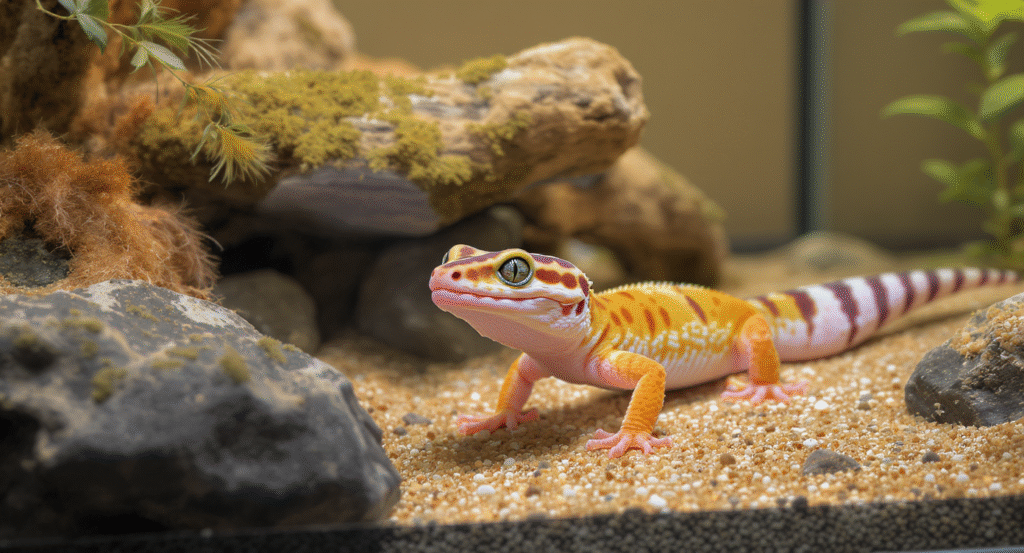
Leopard geckos are one of the most popular reptile pets for beginners, and for good reason. These charming, docile lizards are relatively easy to care for, but setting up their habitat correctly is crucial for their health and happiness. Whether you’re bringing home your first leopard gecko or looking to upgrade your current setup, this comprehensive guide will walk you through everything you need to create the perfect leopard gecko tank.
Choosing the Right Tank Size
The foundation of any successful leopard gecko habitat starts with selecting an appropriately sized enclosure. While leopard geckos aren’t particularly large reptiles, they do need adequate space to thrive.
Minimum Tank Requirements
- Adult leopard geckos: Minimum 20-gallon long tank (30″ x 12″ x 12″)
- Juvenile leopard geckos: Can start in a 10-gallon tank, but will need upgrading
- Multiple geckos: Add 10 gallons per additional gecko (females only – never house males together)
A 20-gallon long tank is preferred over a tall tank because leopard geckos are terrestrial creatures that need floor space rather than height. Many experienced keepers recommend going larger if possible, with 40-gallon tanks providing even better enrichment opportunities.
Essential Temperature and Heating Setup
As cold-blooded reptiles, leopard geckos rely on external heat sources to regulate their body temperature. Creating proper temperature gradients is one of the most critical aspects of tank setup.
Worried About Your Reptile's Health?
Upload a photo and get instant AI health analysis. Catch problems before they become expensive vet bills.
Get Free Health Check →Temperature Zones
Your leopard gecko tank needs three distinct temperature zones:
- Warm side: 88-92°F (31-33°C) surface temperature
- Cool side: 75-80°F (24-27°C)
- Basking spot: 90-95°F (32-35°C)
Heating Equipment
The best heating options for leopard gecko tanks include:
- Under-tank heaters (UTH): Attached to the bottom of the tank on one side, covering about 1/3 of the floor space
- Heat mats: Similar to UTH, provide belly heat crucial for digestion
- Ceramic heat emitters: Provide overhead heat without light, useful for ambient temperature
- Deep heat projectors: Modern option that provides penetrating warmth
Important: Always use a thermostat with your heating elements to prevent overheating and potential burns. Digital thermostats with probes are essential safety equipment, not optional accessories.
Temperature Monitoring
Invest in reliable temperature measurement tools:
Never Miss Early Warning Signs
AI photo analysis catches subtle health issues humans miss 80% of the time. Early detection = healthier reptile + lower vet bills.
Start Free Trial →- Digital thermometers with probes for each temperature zone
- Infrared temperature gun for checking surface temperatures
- Avoid stick-on analog thermometers as they’re often inaccurate
Substrate Selection: What to Put on the Tank Floor
Substrate choice is hotly debated in the leopard gecko community, but safety should always be your top priority.
Recommended Substrates for Beginners
- Reptile carpet: Reusable, safe, easy to clean (have two to rotate during washing)
- Tile (ceramic or slate): Excellent heat retention, easy to clean, helps file nails naturally
- Paper towels: Inexpensive, safe, allows easy monitoring of feces, perfect for quarantine
- Excavator clay: Allows for burrow creation, more naturalistic (for experienced keepers)
Substrates to Avoid
- Sand: High impaction risk, especially calcium sand marketed for reptiles
- Wood shavings: Can cause impaction and respiratory issues
- Walnut shell: Sharp edges can cause injuries and impaction
For beginners, tile or reptile carpet provides the best combination of safety, ease of maintenance, and cost-effectiveness.
Hides and Enrichment: Creating Security
Leopard geckos are naturally shy creatures that require multiple hiding spots to feel secure and manage their body temperature.
The Three-Hide Minimum
Every leopard gecko tank needs at least three hides:
Join thousands of successful reptile owners
Try ReptileCoach Free →- Warm hide: Placed on the warm side of the tank for thermoregulation
- Cool hide: Located on the cool side for temperature regulation
- Moist hide: Filled with damp sphagnum moss or paper towels to aid shedding
Hide Characteristics
Effective hides should be:
- Snug-fitting with only one entrance (geckos feel safer in tight spaces)
- Opaque to block light and provide darkness
- Stable and won’t tip over
- Easy to clean and disinfect
You can purchase commercial reptile hides or create DIY options using ceramic pots, plastic containers with cut entrances, or cork bark pieces.
Lighting Requirements
Leopard geckos are crepuscular (most active at dawn and dusk), so their lighting needs differ from many other reptiles.
Do Leopard Geckos Need UVB?
While leopard geckos can survive without UVB lighting if properly supplemented with vitamin D3, recent research suggests that low-level UVB (2-5% output) can provide health benefits including:
"This app saved my bearded dragon's life. The AI caught early MBD in photos I thought looked completely normal. Worth every penny!"
— Sarah K., ReptileCoach User
Get Your Free 7-Day Trial →- More natural vitamin D3 synthesis
- Improved calcium metabolism
- Enhanced natural behaviors
- Better overall wellbeing
Lighting Setup
- Optional UVB: 2-5% UVB tube light for 10-12 hours daily
- Day/night cycle: Use a simple LED or low-wattage bulb on a timer (12 hours on/off)
- No nighttime lighting: Leopard geckos need complete darkness to sleep properly
Water and Humidity Management
Water Dish
Provide a shallow, sturdy water dish that:
- Is large enough for your gecko to soak in if desired
- Cannot be easily tipped over
- Is cleaned and refilled with fresh water daily
- Is placed on the cool side of the tank
Humidity Levels
Leopard geckos need relatively low humidity with specific exceptions:
- General tank humidity: 30-40%
- Moist hide humidity: 70-80% (crucial during shedding)
- Monitoring: Use a digital hygrometer to track humidity levels
Maintain the moist hide by spraying it with dechlorinated water every 2-3 days or when the substrate feels dry.
Additional Tank Accessories
Enrichment Items
Beyond the essentials, consider adding:
Worried About Your Reptile's Health?
Upload a photo and get instant AI health analysis. Catch problems before they become expensive vet bills.
Get Free Health Check →- Climbing branches or rocks: Provide exercise and behavioral enrichment
- Background decorations: Create visual interest and security
- Multiple levels: Low platforms or flat rocks (nothing too high as they can fall)
- Calcium dish: Small dish with pure calcium powder (no D3) available at all times
Tank Placement in Your Home
Where you place the tank matters for your gecko’s wellbeing:
- Avoid direct sunlight: Can cause dangerous temperature spikes
- Keep away from drafts: Air conditioning vents, windows, and doors
- Minimize vibrations: Away from speakers, washing machines, and high-traffic areas
- Stable surface: Ensure the stand can support the tank’s weight
- Quiet area: Reduces stress from household activity
Initial Setup Checklist
Before bringing your leopard gecko home, verify you have:
- ☐ Appropriate-sized tank (minimum 20-gallon long)
- ☐ Under-tank heater or heat mat
- ☐ Thermostat to regulate heating
- ☐ Digital thermometers for warm and cool sides
- ☐ Safe substrate
- ☐ Three hides (warm, cool, and moist)
- ☐ Water dish
- ☐ Optional: UVB lighting on timer
- ☐ Calcium powder (without D3) in small dish
- ☐ Calcium powder with D3 for feeding (separate container)
- ☐ Hygrometer for humidity monitoring
Quarantine Period Setup
For your gecko’s first 30-60 days, maintain a simpler quarantine setup:
- Use paper towels as substrate for easy monitoring of feces
- Provide basic hides and minimal decorations
- Keep setup simple to monitor health and reduce stress
- Gradually introduce enrichment items after quarantine
This simpler environment helps you identify potential health issues early and allows your gecko to acclimate without overwhelming stimulation.
Never Miss Early Warning Signs
AI photo analysis catches subtle health issues humans miss 80% of the time. Early detection = healthier reptile + lower vet bills.
Start Free Trial →Ongoing Maintenance Tips
Once your tank is set up, maintain it with regular care:
- Daily: Check temperatures, refill water, remove feces, spot clean
- Weekly: Replace moist hide substrate, clean water dish thoroughly
- Monthly: Deep clean entire tank, replace reptile carpet or clean tiles with reptile-safe disinfectant
- As needed: Replace damaged items, adjust decorations for enrichment
Get Personalized Guidance for Your Leopard Gecko
Setting up the perfect leopard gecko tank can feel overwhelming with so many variables to consider—from temperature gradients to substrate choices to humidity levels. While this guide provides comprehensive information to get you started, every gecko and living situation is unique, and you may have specific questions about your particular setup.
That’s where ReptileCoach.com comes in. Our AI-powered reptile care chat provides personalized advice tailored to your specific situation. Whether you’re troubleshooting temperature issues, wondering if your tank setup is optimal, or need guidance on upgrading your enclosure, our intelligent chat system can provide immediate, customized recommendations based on the latest reptile husbandry practices. Visit ReptileCoach.com today and get expert-level guidance for your leopard gecko’s care—because your scaly friend deserves the best possible home!
Ready to Give Your Reptile the Best Care?
Stop guessing and start knowing. Get personalized AI-powered care guidance, photo health analysis, and 24/7 expert advice for YOUR specific reptile.
Get Personalized Care Guidance
AI-powered photo analysis and daily care tracking for YOUR reptile
Try Free for 7 Days →