
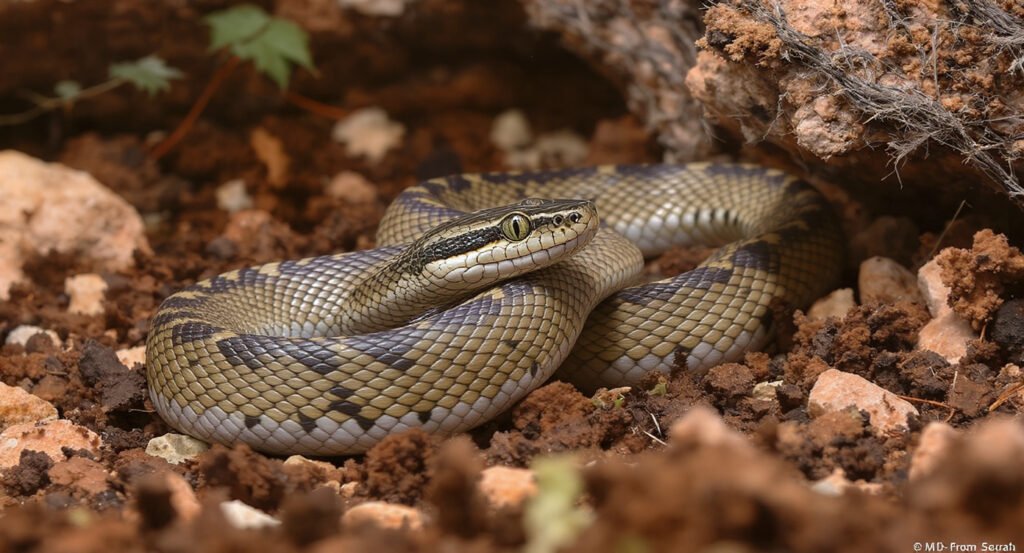
King snakes are among the most popular pet reptiles for both beginners and experienced keepers. These beautiful, docile constrictors are hardy, relatively low-maintenance, and come in stunning color variations. Whether you’re considering a California king snake, a Mexican black king snake, or any other subspecies, this comprehensive care guide will help you provide the best environment for your scaly companion.
Why King Snakes Make Excellent Pet Reptiles
King snakes have earned their reputation as ideal pet snakes for several reasons. They’re generally calm and tolerate handling well once acclimated. Unlike some snake species, king snakes rarely bite defensively and adapt quickly to captive environments. Their moderate size—typically reaching 3 to 4 feet in length, with some subspecies growing up to 6 feet—makes them manageable without requiring massive enclosures.
Another advantage is their feeding response. King snakes are enthusiastic eaters with strong prey drives, making feeding time straightforward compared to finicky species. They’re also immune to rattlesnake venom in the wild, though this trait is more fascinating than practical for captive care.
Setting Up the Perfect King Snake Enclosure
A proper habitat is fundamental to king snake health and longevity. For adult king snakes, a 40-gallon terrarium or enclosure measuring at least 36 inches long provides adequate space. Juveniles can start in smaller 20-gallon enclosures and be upgraded as they grow.
Worried About Your Reptile's Health?
Upload a photo and get instant AI health analysis. Catch problems before they become expensive vet bills.
Get Free Health Check →Essential Enclosure Components
Your king snake enclosure should include several key elements:
- Secure lid: King snakes are escape artists. Ensure your enclosure has a locking or weighted lid with no gaps.
- Substrate: Aspen shavings, cypress mulch, or reptile-safe paper products work well. Avoid cedar and pine, which contain harmful oils.
- Hide boxes: Provide at least two hides—one on the warm side and one on the cool side of the enclosure.
- Water dish: A heavy, shallow water bowl large enough for your snake to soak in but difficult to tip over.
- Climbing branches: While terrestrial, king snakes appreciate occasional climbing opportunities.
Temperature and Humidity Requirements
Proper thermal regulation is critical for king snake health, digestion, and overall well-being. Create a temperature gradient in the enclosure with a basking spot of 85-90°F on the warm end and 75-80°F on the cool end. This allows your snake to thermoregulate by moving between zones.
Use an under-tank heating pad or heat tape controlled by a thermostat—never rely on guesswork. Overhead heat lamps can also work but may dry out the enclosure. Always monitor temperatures with reliable thermometers placed at both ends of the tank.
King snakes thrive in moderate humidity levels of 40-60%. Most household environments naturally fall within this range. Provide a humid hide filled with moist sphagnum moss during shedding periods to prevent stuck shed and eye cap retention.
Never Miss Early Warning Signs
AI photo analysis catches subtle health issues humans miss 80% of the time. Early detection = healthier reptile + lower vet bills.
Start Free Trial →Feeding Your King Snake: Diet and Schedule
King snakes are carnivorous constrictors that primarily eat rodents in captivity. Feed appropriately sized frozen-thawed mice or rats—the prey item should be roughly the same width as the snake’s body at its widest point.
Feeding Schedule Guidelines
- Hatchlings: One pinky mouse every 5-7 days
- Juveniles: One appropriately sized mouse every 7-10 days
- Adults: One large mouse or small rat every 10-14 days
Always thaw frozen rodents completely and warm them to approximately 100°F before offering. Use feeding tongs to prevent accidental bites. Never feed live prey, as rodents can injure your snake. After feeding, avoid handling your king snake for 48 hours to prevent regurgitation and allow proper digestion.
Handling and Temperament
King snakes generally have calm dispositions and tolerate regular handling well. However, hatchlings may be nippy or defensive initially. With consistent, gentle handling sessions of 10-15 minutes several times per week, most king snakes become docile pets.
Handle your snake with confidence but gentleness. Support its body, allow it to move through your hands, and never restrain it tightly. Avoid handling during shedding periods or within 48 hours after feeding. Watch for stress signals like defensive posturing, hissing, or rapid tongue flicking, and return the snake to its enclosure if these occur.
Join thousands of successful reptile owners
Try ReptileCoach Free →Health Concerns and Common Issues
King snakes are hardy reptiles but can experience health problems with improper care. Watch for signs of illness including:
- Respiratory infections (wheezing, mucus around nostrils, mouth breathing)
- Mouth rot (swelling, discoloration around the mouth)
- Parasites (weight loss despite eating, visible parasites in feces)
- Stuck shed (retained eye caps or skin, often from low humidity)
- Regurgitation (usually from handling too soon after eating or improper temperatures)
Establish a relationship with a reptile veterinarian before emergencies arise. Annual check-ups can catch potential problems early and ensure your king snake remains healthy.
Shedding: What to Expect
King snakes shed their skin regularly as they grow, with juveniles shedding every 4-6 weeks and adults every 6-8 weeks. The shedding process takes about a week from start to finish. You’ll notice your snake’s colors dulling and eyes turning milky blue several days before the actual shed.
During this time, increase humidity slightly and ensure the humid hide is available. Most king snakes shed in one complete piece if husbandry is correct. Incomplete sheds indicate humidity problems that need addressing.
"This app saved my bearded dragon's life. The AI caught early MBD in photos I thought looked completely normal. Worth every penny!"
— Sarah K., ReptileCoach User
Get Your Free 7-Day Trial →Take Your Reptile Care to the Next Level
Caring for a king snake requires attention to detail, proper equipment, and ongoing education. Whether you’re a first-time reptile owner or expanding your collection, having expert guidance makes all the difference. The ReptileCoach app provides personalized care schedules, feeding reminders, health tracking, and direct access to experienced reptile keepers. Download the app today and ensure your king snake receives the best care possible throughout its 15-20 year lifespan.
Conclusion
King snakes represent an excellent choice for reptile enthusiasts at any experience level. With proper housing, consistent temperatures, appropriate feeding, and regular handling, these beautiful constrictors thrive in captivity and provide years of enjoyment. By following this care guide and staying informed about your specific king snake subspecies, you’ll build a rewarding relationship with one of herpetology’s most beloved species.
Ready to Give Your Reptile the Best Care?
Stop guessing and start knowing. Get personalized AI-powered care guidance, photo health analysis, and 24/7 expert advice for YOUR specific reptile.
Get Personalized Care Guidance
AI-powered photo analysis and daily care tracking for YOUR reptile
Try Free for 7 Days →