
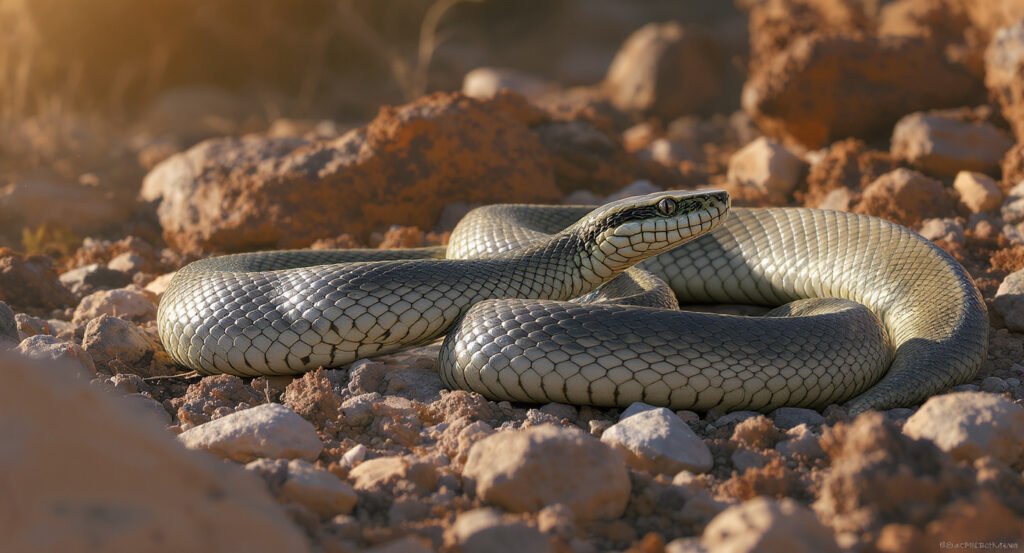
King snakes are among the most popular pet snakes for beginners, and for good reason. These docile, hardy reptiles are relatively easy to care for, come in stunning color variations, and rarely bite. Whether you’re considering your first snake or adding to your collection, this comprehensive king snake care guide will help you provide the best possible home for your new companion.
Why King Snakes Make Great Beginner Pets
King snakes have earned their reputation as ideal starter snakes through several key characteristics. They’re naturally calm and tolerate handling well, making them perfect for new reptile owners still learning proper snake interaction. Their moderate size—typically 3 to 4 feet for most species—makes them manageable without requiring enormous enclosures. King snakes are also incredibly hardy, adapting well to captive environments and forgiving minor care mistakes that beginners might make.
Another major advantage is their feeding response. King snakes are enthusiastic eaters who rarely refuse meals, eliminating one of the most stressful aspects of snake ownership for newcomers.
Essential King Snake Housing Requirements
Choosing the Right Enclosure
Your king snake’s enclosure is their entire world, so getting it right matters. For adult king snakes, a 20 to 40-gallon terrarium provides adequate space. Hatchlings can start in smaller 10-gallon enclosures, but be prepared to upgrade as they grow rapidly during their first year.
Worried About Your Reptile's Health?
Upload a photo and get instant AI health analysis. Catch problems before they become expensive vet bills.
Get Free Health Check →Glass terrariums with secure screen tops are the most common choice, offering excellent visibility and easy maintenance. The enclosure must have a tight-fitting lid with clamps, as king snakes are notorious escape artists who can push through surprising small gaps.
Temperature and Lighting Setup
Proper temperature gradients are critical for your king snake’s health. Create a warm basking spot at 85-90°F on one end of the enclosure, while maintaining the cool end at 75-80°F. This allows your snake to thermoregulate by moving between zones.
You can achieve these temperatures using:
- Under-tank heating pads controlled by a thermostat
- Ceramic heat emitters for overhead heating
- Basking bulbs during daylight hours
Always use a reliable digital thermometer to monitor temperatures at both ends. Nighttime temperatures can drop to 70-75°F safely. King snakes don’t require UVB lighting, though some keepers provide low-level UVB for potential health benefits.
Never Miss Early Warning Signs
AI photo analysis catches subtle health issues humans miss 80% of the time. Early detection = healthier reptile + lower vet bills.
Start Free Trial →Substrate and Furnishings
Several substrate options work well for king snakes. Aspen shavings are popular because they’re absorbent, allow burrowing, and are easy to spot-clean. Cypress mulch retains humidity well, while reptile carpet offers a reusable, low-maintenance alternative. Avoid cedar or pine shavings, which contain harmful oils.
Essential furnishings include:
- Two hide boxes (one on warm side, one on cool side)
- A water bowl large enough for soaking
- Optional climbing branches or cork bark for enrichment
- Artificial plants for added security
Feeding Your King Snake
King snakes are carnivorous constrictors that eat appropriately-sized rodents. Hatchlings start with pinky mice, while adults typically eat adult mice or small rats. The prey item should be roughly the same width as the thickest part of your snake’s body.
Feed juveniles every 5-7 days, while adults eat every 7-10 days. Most keepers prefer frozen-thawed rodents over live prey for safety and convenience. Thaw frozen mice in warm water, then offer them with feeding tongs to avoid accidental bites.
Join thousands of successful reptile owners
Try ReptileCoach Free →After feeding, avoid handling your snake for 48 hours to prevent regurgitation. Always provide fresh water, as king snakes often drink after meals.
Handling and Temperament
King snakes generally have calm dispositions, though individual personalities vary. Hatchlings may be defensive initially but typically settle down with regular, gentle handling. Handle your snake 2-3 times per week for 10-15 minutes once they’re established and feeding regularly.
Support your snake’s body properly, allowing them to move freely through your hands. Never grab them by the head or make sudden movements. If your king snake musks (releases a foul-smelling fluid) when handled, this is a stress response that usually decreases with time and patience.
Health and Maintenance
Healthy king snakes have clear eyes, smooth scales, a rounded body, and an alert demeanor. Common health issues include respiratory infections (often from improper temperatures), mites, and retained shed (usually due to low humidity).
"This app saved my bearded dragon's life. The AI caught early MBD in photos I thought looked completely normal. Worth every penny!"
— Sarah K., ReptileCoach User
Get Your Free 7-Day Trial →Maintain humidity levels between 40-60%, increasing slightly during shedding. When your snake’s eyes turn cloudy blue, it’s entering shed cycle. Provide a humid hide box with damp sphagnum moss to ensure a clean shed.
Clean and disinfect the water bowl daily, spot-clean waste immediately, and perform a complete substrate change monthly. Deep clean the entire enclosure every 3-4 months with reptile-safe disinfectant.
Take Your Reptile Care to the Next Level
Caring for a king snake becomes even easier when you have the right tools at your fingertips. The ReptileCoach App helps beginners track feeding schedules, monitor shedding cycles, record weight changes, and set reminders for maintenance tasks. With care sheets, troubleshooting guides, and a supportive community, you’ll have expert advice whenever you need it—making your journey as a reptile keeper smoother and more rewarding.
Final Thoughts
King snakes represent an excellent entry point into reptile keeping. Their manageable size, hardy nature, and docile temperament make them forgiving companions for beginners while still being fascinating pets for experienced keepers. By providing proper housing, consistent temperatures, appropriate feeding, and regular maintenance, your king snake can thrive for 15-20 years or more. Start with these fundamentals, observe your individual snake’s preferences, and enjoy the rewarding experience of keeping one of nature’s most beautiful constrictors.
Worried About Your Reptile's Health?
Upload a photo and get instant AI health analysis. Catch problems before they become expensive vet bills.
Get Free Health Check →Ready to Give Your Reptile the Best Care?
Stop guessing and start knowing. Get personalized AI-powered care guidance, photo health analysis, and 24/7 expert advice for YOUR specific reptile.
Get Personalized Care Guidance
AI-powered photo analysis and daily care tracking for YOUR reptile
Try Free for 7 Days →