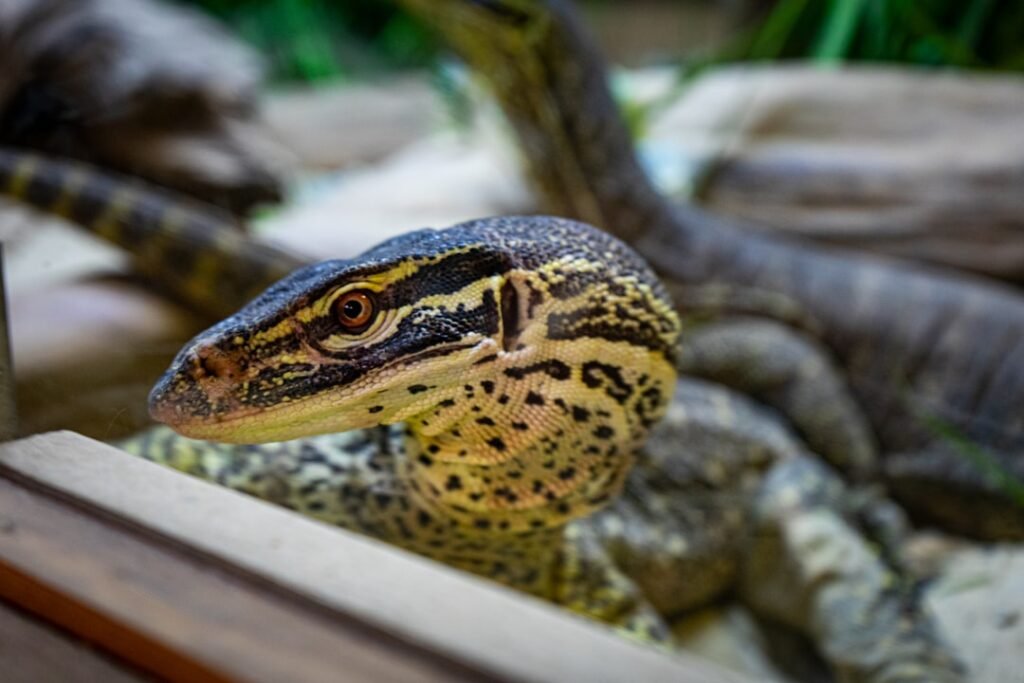
Watching your spunky Ackie Monitor suddenly seem “off” is gut-wrenching. These clever little lizards are masters at hiding illness—a survival trick from the wild that makes early detection a nightmare for owners. Respiratory infections (RIs) are among the most common and dangerous health issues for Ackies, often starting subtly before exploding into life-threatening emergencies. Ignoring a sniffle or slight wheeze could mean the difference between a quick vet fix and losing your pet. This isn’t just about knowing symptoms—it’s about catching them before your Ackie stops eating, struggles to breathe, or worse. Let’s cut through the panic and give you the straight talk you need to protect your scaly buddy.
Early Warning Signs: The Subtle Clues You Might Miss
Respiratory infections in Ackies rarely announce themselves with dramatic flair. The earliest signs are so easy to brush off as “just tired” or “shedding weird.” But catching these red flags early is your golden ticket to simpler, cheaper treatment. Start monitoring daily:
- Nostril clogging or mucus: That tiny bit of clear or bubbly discharge around the nose? That’s not normal. Gently check if one or both nostrils seem blocked—your Ackie might rub its snout on surfaces trying to clear it.
- Slight head tilt or raised posture: If your lizard’s holding its head higher than usual while resting or moving, it’s likely struggling to get air. It’s their instinctive way to open airways.
- Minor appetite dip: Skipping one meal isn’t alarming, but refusing insects for 2-3 days? Red flag. Respiratory discomfort makes swallowing painful.
- Unusual lethargy: Ackies are active hunters. If yours is spending way more time buried or motionless—even during peak activity hours—something’s wrong.
Keep a simple log: note weight weekly (sudden loss = bad news), feeding success, and breathing patterns. A 10% weight drop in two weeks screams “vet now.” Don’t wait for obvious symptoms—by then, the infection’s likely deep in the lungs.
Advanced Symptoms: When It’s Time to Drop Everything
If early signs get ignored, RIs escalate fast. These aren’t “maybe” symptoms—they’re emergencies requiring same-day vet care. Your Ackie won’t “tough it out.” Here’s what demands immediate action:
Worried About Your Reptile's Health?
Upload a photo and get instant AI health analysis. Catch problems before they become expensive vet bills.
Get Free Health Check →- Open-mouth breathing: Healthy Ackies breathe quietly through their nose. Gasping with mouth open, especially while resting, means they’re oxygen-deprived.
- Wheezing or clicking sounds: That audible “click” or wet wheeze when exhaling? It’s mucus rattling in infected airways. Film this if possible—it helps vets diagnose.
- Bubbly mucus in mouth/nose: Thick, stringy, or foamy discharge (white, yellow, or clear) is a dead giveaway of advanced infection.
- Swollen eyes or weepy eyes: Inflammation from respiratory distress often causes puffy, runny eyes that look “sick.”
- Severe weight loss: Rapid muscle wasting, especially along the spine or tail, means the infection’s burning energy reserves.
Here’s the brutal truth: If your Ackie shows open-mouth breathing or wheezing, it’s already in critical condition. Bacteria are likely multiplying in the lungs, and every hour counts. Don’t Google “home remedies”—you’ll waste precious time. Call your exotic vet while you’re reading this.
Why Ackies Get RIs: It’s Usually Your Setup (Not Bad Luck)
Blaming “bad genes” or “just happened” is a trap. RIs in Ackies are almost always husbandry-related. Your lizard’s immune system gets crushed by preventable stressors. Let’s fix the root causes:
- Temperature disasters: Too-cool basking spots (<85°F) or no thermal gradient (must have 90°F cool zone to 110°F+ basking zone) cripple immune function. Night drops below 75°F? Big risk.
- Humidity rollercoaster: Wild Ackies thrive in stable 60-80% humidity. Fluctuating levels (from dry air to soggy substrate) irritate airways. Use a digital hygrometer—guessing is dangerous.
- Poor airflow: Stagnant air traps bacteria. Screen tops help, but avoid drafts. Enclosures should feel humid but not stuffy.
- Stress overload: Loud noises, too-frequent handling, or cage mates cause chronic stress. Stressed lizards = weak immune systems.
Spot an RI? Don’t just treat the lizard—audit your setup. Was the humidity at 40% last week? Did you skip checking basking temps for a month? Own the mistake. Fixing husbandry isn’t optional; it’s how you prevent relapse after antibiotics.
What to Do RIGHT NOW: Emergency First Steps
Found advanced symptoms? Panic helps no one. Follow this checklist while prepping for the vet:
Never Miss Early Warning Signs
AI photo analysis catches subtle health issues humans miss 80% of the time. Early detection = healthier reptile + lower vet bills.
Start Free Trial →- Call your exotic vet immediately: Describe symptoms honestly. Say “open-mouth breathing” or “wheezing.” If they’re not available, find a 24/7 reptile ER. No vet? Search “exotic vet near me” NOW.
- Raise nighttime temps: Bump ambient temps to 80-85°F using a ceramic heat emitter (no light!). Warmer temps boost immune response and antibiotic effectiveness. Use a separate thermostat—never trust the built-in probe.
- Isolate your Ackie: Move them to a simple “hospital tank” (plastic tub with paper towels, hide, and heat source). Reduces stress and prevents spreading infection if you have multiple lizards.
- Hydrate gently: Offer shallow water soaks (85°F water) for 15-20 minutes. Lightly mist the enclosure—damp air soothes airways. Never force water into the mouth.
- Document everything: Note symptom progression, temps/humidity logs, and feeding history. Vets need this to diagnose faster.
Do NOT try home antibiotics, nebulizers, or “natural cures.” Reptile RIs need prescription meds. Delaying vet care to “try one thing” risks permanent lung damage. Your job now is to stabilize and transport safely.
Vet Visit Decoded: What to Expect (and Demand)
Not all vets are equal with reptiles. A general “dog/cat” vet might miss critical details. Here’s how to ensure your Ackie gets proper care:
- Insist on diagnostics: A good reptile vet will do radiographs (X-rays) to check lung inflammation and possibly a “lung wash” to identify bacteria. Don’t skip this—wrong antibiotics kill lizards.
- Ask about specific drugs: Enrofloxacin (Baytril) or ceftazidime are common first-line antibiotics, but some vets now prefer Fortum for stubborn RIs. Confirm it’s injectable (not oral)—reptiles absorb it better.
- Discuss probiotics: Antibiotics wreck gut bacteria. Demand NutriBAC df or similar added to food to prevent appetite loss during treatment.
- Review husbandry IN CLINIC: Bring your temp/humidity logs. A vet worth their salt will adjust your care plan during recovery (e.g., “keep basking spot at 115°F for 2 weeks”).
Costs add up ($150-$400+), but it’s cheaper than losing your pet. If your vet balks at diagnostics or suggests “just watch it,” find another vet. Recovery takes 4-6 weeks—stick to the full antibiotic course even if symptoms vanish early.
Recovery Roadmap: Getting Your Ackie Back to Normal
Post-vet, your job shifts to creating a healing fortress. Mess this up, and the RI returns stronger. Nail these steps:
Join thousands of successful reptile owners
Try ReptileCoach Free →- Temperature is non-negotiable: Maintain basking spots at 110-115°F day and night during treatment. Use a temp gun to verify spots hourly. Too cool = treatment fails.
- Humidity control: Keep levels at 70-80% with daily misting. Add a humid hide filled with damp sphagnum moss for relief.
- Stress elimination: No handling for 3+ weeks. Cover three sides of the enclosure with paper to reduce visual stress.
- Appetite support: Offer favorite foods (roaches, crickets) by hand. If refusing food, try critical care formula like Recovery RF with a syringe (ask vet first).
- Track progress: Weigh your Ackie twice weekly. Weight gain = healing. Stagnation = vet recheck.
Relapses happen if you ease up too soon. Wait 2 weeks after symptoms disappear before returning to “normal” temps. If your Ackie’s still wheezing after 10 days of antibiotics, demand a recheck—resistant bacteria might need new meds.
Prevention: Building an RI-Proof Habitat
Once your Ackie recovers, overhaul your setup to avoid repeat visits. Prevention isn’t hard—it’s consistent:
- Invest in digital tools: Buy a $20 Zoo Med thermo-hygrometer. Check temps/humidity daily. Record it in a notebook.
- Master the gradient: Cool zone 75-85°F, warm zone 85-95°F, basking 105-120°F. Use deep substrate (coconut fiber) for burrowing thermoregulation.
- Spot-clean daily: Remove feces and uneaten food immediately. Deep-clean monthly with F10SC disinfectant (safe for reptiles).
- Quarantine new arrivals: Isolate new lizards for 90 days in a separate room. RIs spread fast.
Think of your enclosure like a hospital ICU—stable, clean, and stress-free. Your Ackie’s immune system will thank you with decades of vibrant health.
Final Thoughts: Vigilance Saves Lives
Respiratory infections in Ackie Monitors aren’t random tragedies—they’re warnings about gaps in care. That clogged nostril or slight head tilt? It’s your lizard screaming for help in the only way it can. By learning these signs, fixing husbandry, and acting fast with vet care, you turn panic into power. Remember: Early detection means simpler treatment, lower costs, and a happier, healthier companion. Keep that thermometer handy, trust your gut when something feels off, and never underestimate the power of a swift vet call. Your Ackie’s next decade of zoomies depends on it.
"This app saved my bearded dragon's life. The AI caught early MBD in photos I thought looked completely normal. Worth every penny!"
— Sarah K., ReptileCoach User
Get Your Free 7-Day Trial →Ready to Give Your Reptile the Best Care?
Stop guessing and start knowing. Get personalized AI-powered care guidance, photo health analysis, and 24/7 expert advice for YOUR specific reptile.
Get Personalized Care Guidance
AI-powered photo analysis and daily care tracking for YOUR reptile
Try Free for 7 Days →