
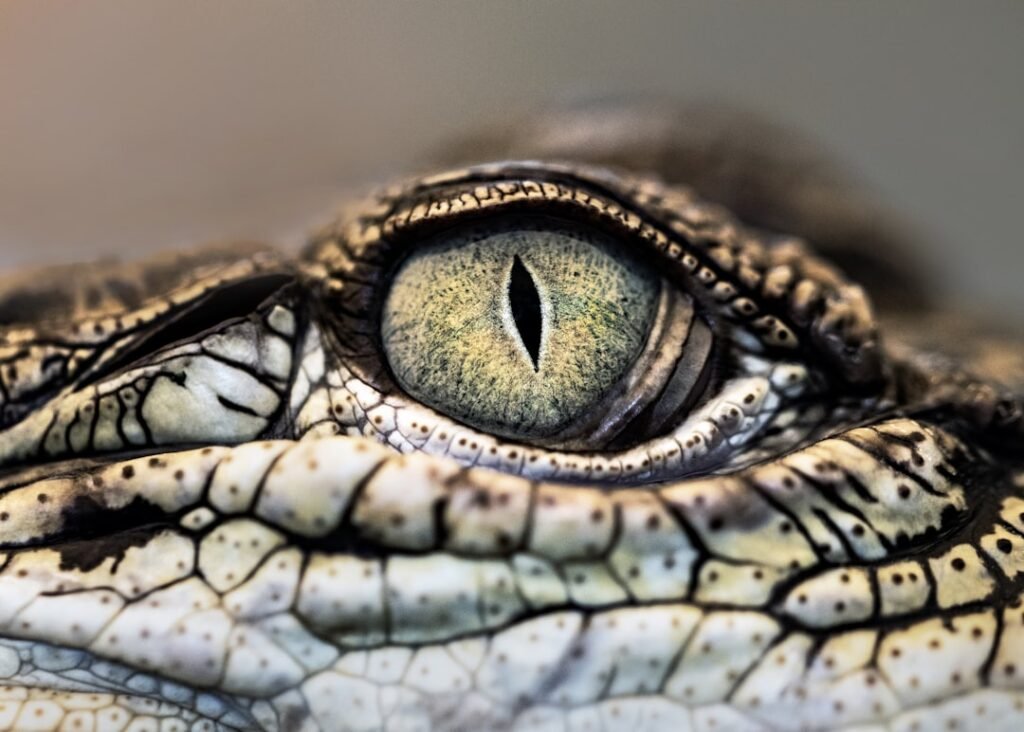
When your alligator shows signs of illness, temperature management isn’t just helpful—it’s often the cornerstone of recovery. As ectothermic animals, alligators rely entirely on their environment to regulate bodily functions. A slight temperature shift can mean the difference between life and death when they’re sick. This guide cuts through the confusion with practical, science-backed steps you can implement immediately. Whether you’re a zookeeper, wildlife rehabilitator, or private owner, understanding how to use temperature therapy correctly could save your alligator’s life. We’ll cover everything from recognizing when thermal intervention is needed to creating precise recovery environments, all based on the latest reptile physiology research.
Recognizing When Temperature Therapy Is Needed
Spotting illness early in alligators requires knowing their normal behaviors. Healthy alligators actively thermoregulate—they’ll move between water and basking areas to maintain optimal body temperature. When sick, they often lose this ability. Watch for lethargy, refusal to bask, or unusual positioning (like floating listlessly instead of diving). Dehydration is a common secondary issue; check for sunken eyes, dry skin folds, or reduced skin elasticity. Salt-loading complications—which occur when alligators can’t access freshwater—are particularly dangerous and often mimic general illness. If your alligator isn’t using water to cool down despite warm conditions (a behavior documented in wild populations), it’s a major red flag. Remember, juvenile alligators are especially vulnerable to temperature fluctuations, as their smaller bodies heat and cool faster than adults.
Creating the Perfect Thermal Gradient
Thermal gradients aren’t optional—they’re non-negotiable for recovery. Your sick alligator must have choices: a warm basking zone (28-30°C/82-86°F), a neutral mid-zone (26°C/79°F), and a cool water refuge (24-25°C/75-77°F). This mirrors natural behaviors observed in studies where alligators use water to lower body temperature during stress. Position heat lamps to cover only 30-40% of the enclosure floor, ensuring shadows and cooler spots exist. Use thermostats—not timers—for both water heaters and basking lamps; wild fluctuations worsen stress. For water areas, maintain 26-32°C as recommended for tropical crocodilians, but lean toward the lower end (26-28°C) for sick animals to prevent overheating. Always place thermometers at multiple points: near the basking lamp, in the water’s deepest point, and midway between zones. Glass thermometers are unreliable; invest in digital probes with remote displays.
Step-by-Step Temperature Adjustment Protocol
Never rush thermal changes—gradual shifts are critical. If your alligator is hypothermic (common after transport or cold exposure), increase temperatures by no more than 1°C (1.8°F) every 12 hours. For example, if the current water is 22°C (72°F) but should be 26°C (79°F), add 0.5°C increments every 6 hours. Sudden warming can shock weakened organs. Conversely, for overheating (signs include gaping mouth or frantic water splashing), cool the environment by 0.5°C hourly. Always adjust water temperature before air temperature—water changes affect alligators more immediately. During dehydration treatment, start with a slightly warmer basking zone (29°C/84°F) to encourage digestion, but ensure cool water remains accessible. If salt-loading is suspected (common in coastal habitats), provide immediate freshwater access while maintaining the thermal gradient—studies show salt-stressed alligators prioritize temperature regulation over hydration.
Worried About Your Reptile's Health?
Upload a photo and get instant AI health analysis. Catch problems before they become expensive vet bills.
Get Free Health Check →Monitoring Behavior During Recovery
Your alligator’s movements tell the real story. Track these key indicators daily:
- Basking duration: Sick alligators often bask longer than healthy ones to boost immunity. But if they stay on the basking plate >80% of daylight hours, lower the temperature slightly—they’re overheating.
- Water immersion frequency: Note how often they submerge fully. Increased diving suggests they’re using water to combat fever (as wild alligators do).
- Feeding response: Offer food when they’re in the warm zone. If they ignore food despite being warm, temperature isn’t the only issue.
- Eye condition: Check for clarity every morning. Cloudy eyes improving within 48 hours of correct temperatures indicate successful therapy.
Keep a logbook—note temperature settings alongside behavior changes. This reveals patterns invisible in single observations. If lethargy persists after 72 hours of proper thermal therapy, consult a reptile vet; temperature alone won’t fix infections or parasites.
Special Considerations for Juveniles and Critical Cases
Baby alligators need tighter temperature control—their survival hinges on precision. For juveniles under 2 feet long, narrow the thermal gradient: basking zone at 29°C (84°F), water at 25°C (77°F), with no zone below 24°C (75°F). Their higher metabolism means they dehydrate faster; mist the basking area lightly twice daily to maintain 70-80% humidity. In critical dehydration cases, add electrolyte solution to their freshwater (1 tsp reptile electrolyte powder per gallon), but never force fluids—that risks aspiration. If an alligator refuses to leave water despite being chilled, gently place it on a warm towel (30°C/86°F) for 15 minutes—this mimics the “thermal rescue” technique used in wildlife rehab. Never use direct heat sources like heating pads; alligators can’t feel burns on their armored skin. Remember, saltwater-adapted alligators may need longer acclimation—studies show they reduce thermal preferences when salt-loaded, so monitor behavior more closely.
Avoiding Common Temperature Therapy Mistakes
Even experienced keepers make these errors:
Never Miss Early Warning Signs
AI photo analysis catches subtle health issues humans miss 80% of the time. Early detection = healthier reptile + lower vet bills.
Start Free Trial →- Overheating during recovery: Assuming “warmer = better” causes organ stress. Never exceed 32°C (90°F) in the basking zone for sick alligators.
- Neglecting nighttime cooling: Alligators need a 3-5°C (5-9°F) drop at night. Constant heat disrupts circadian rhythms and weakens immunity.
- Using inconsistent measurement tools: Mixing Celsius and Fahrenheit readings causes dangerous errors. Standardize to one system.
- Ignoring humidity: Dry air worsens dehydration. Pair thermal therapy with 60-80% humidity using misters or damp substrate.
- Skipping gradual adjustments: Changing temperatures >1°C daily risks thermal shock—especially fatal for dehydrated alligators.
One rehab center reported a 40% mortality increase when they raised temperatures too quickly during a cold-stress outbreak. Patience saves lives.
Integrating Temperature Therapy with Other Treatments
Temperature management works best alongside other care. When administering antibiotics, time doses for when the alligator is warmest (typically midday)—this boosts drug metabolism. For fungal infections, maintain the basking zone at 30°C (86°F) but add UVB lighting; the combined warmth and UV exposure inhibits fungal growth. If treating saltwater Crocodilian species, alternate freshwater soaks with thermal therapy—15 minutes in freshwater at 26°C (79°F) followed by 30 minutes on a 28°C (82°F) basking platform. Studies confirm this mimics natural behaviors where alligators use water to thermoregulate during salinity stress. Never combine heat therapy with fasting; sick alligators need small, frequent meals (every 3 days) to fuel recovery. Offer soft foods like minced fish when they’re warmest—they’ll digest it more efficiently.
Long-Term Thermal Management After Recovery
Just because your alligator seems better doesn’t mean therapy ends. For 2-3 weeks post-recovery, maintain a slightly wider thermal gradient (24-31°C/75-88°F) to support immune resilience. Gradually return to standard ranges over 10 days. Monitor for relapse signs: if they suddenly avoid the warm zone, recheck for residual illness. Document everything—this data helps predict seasonal vulnerabilities. One zoo reduced winter illness by 60% after tracking that their alligators needed 2°C warmer basking zones during cold snaps. Also, consider environmental enrichment; add floating platforms at varying depths so alligators can self-regulate more naturally. Remember, temperature isn’t just treatment—it’s prevention. Consistent thermal gradients year-round build physiological resilience against future sickness.
Final Thoughts on Temperature Therapy Success
Mastering temperature therapy transforms how you care for sick alligators. By creating precise thermal gradients, adjusting temperatures gradually, and reading behavioral cues, you harness their natural biology to drive recovery. Remember that every alligator—whether juvenile or adult, freshwater or saltwater-adapted—communicates through its thermoregulatory choices. Your role isn’t to control their temperature but to provide the right options and observe what they choose. Combine this approach with consistent monitoring and slow adjustments, and you’ll see remarkable turnarounds even in severe cases. Most importantly, recognize that temperature therapy isn’t a standalone fix but the foundation upon which all other treatments build. When done correctly, it empowers your alligator’s body to heal itself using the same mechanisms that have sustained crocodilians for millions of years. Stay patient, stay precise, and let thermoregulation do the work nature designed it to do.
Join thousands of successful reptile owners
Try ReptileCoach Free →Ready to Give Your Reptile the Best Care?
Stop guessing and start knowing. Get personalized AI-powered care guidance, photo health analysis, and 24/7 expert advice for YOUR specific reptile.
Get Personalized Care Guidance
AI-powered photo analysis and daily care tracking for YOUR reptile
Try Free for 7 Days →