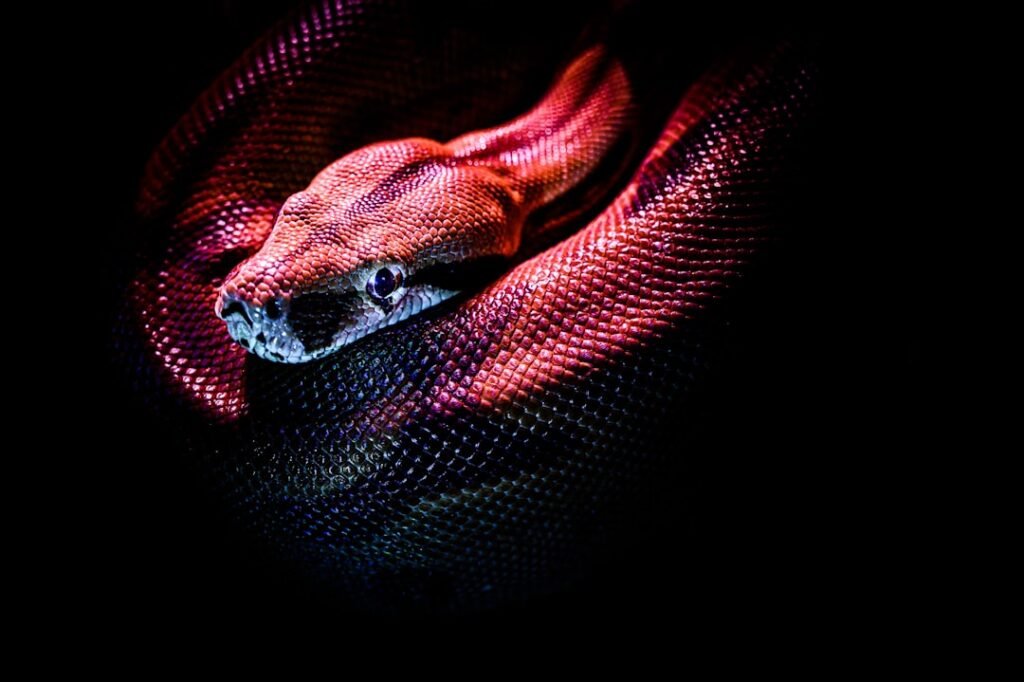
Every year, countless rainbow boas end up in rescues or shelters due to underestimated care needs. These stunning serpents with iridescent scales often fall victim to the “too pretty to research” syndrome – where new owners fall for their beauty but aren’t prepared for their demanding humidity requirements. As someone who’s helped rehabilitate over 30 rescued rainbow boas, I’ve seen firsthand how proper adoption preparation transforms lives. Whether you’re considering adopting or have just brought home a rescue, this guide gives you the actionable steps to ensure your boa thrives. Understanding their specific needs isn’t just helpful – it’s often the difference between life and death for these sensitive tropical snakes.
Spotting a Rainbow Boa in Need: Critical Warning Signs
Before adopting, recognize these urgent red flags that indicate a boa requires immediate intervention. Dehydration is the #1 killer of rescued rainbow boas – check for wrinkled, dry-looking skin (especially around the neck), incomplete sheds where patches of old skin remain stuck, and sunken eyes. Lift the snake gently; a healthy boa feels firm and muscular, while neglected ones often feel bony with visible spine ridges. Listen for wheezing or clicking sounds during breathing, which signal respiratory infections from improper humidity. Many rescues arrive with chronic regurgitation issues because previous owners fed prey that was too large or too frequently – a single regurgitation episode requires veterinary attention. If the boa hasn’t eaten for over 6 weeks or shows mouth rot (white/yellow cheesy substance in mouth), consider it a medical emergency. Always ask for veterinary records during adoption and never skip a pre-adoption vet check – many rescues hide underlying parasites.
Your Pre-Adoption Rescue Checklist: Must-Have Supplies
Never bring a rescue home without these essentials already set up and tested. Start with an escape-proof enclosure – a 4ft x 2ft x 2ft terrarium minimum for adults, with secure sliding doors (hinged lids are boa escape artist favorites). Install two digital thermometers (one at each end) and a hygrometer with external probe before bringing your snake home. Your humidity system must maintain 70-80% average with near 100% at night – this means a large water tub (big enough for full submersion), daily misting capability, and backup options like a humidifier on a hygrostat. Prepare a quarantine area completely separate from other reptiles – this includes dedicated tools, separate footwear, and no shared airspace. Stock up on frozen-thawed rodents appropriate for the boa’s size (never live prey for rescues), soft-tipped feeding tongs, reptile-safe disinfectant like Rescue, and paper towel rolls for temporary substrate. Crucially, have a reptile vet’s contact information and emergency fund ready – rescues often need immediate care. The enclosure should cycle for 48 hours before arrival, with temperatures stabilized between 72-80°F ambient and 85°F basking spot.
Quarantine Protocol: The First 90 Critical Days
Treat every rescue as potentially contagious for the first three months. House them in a simple setup: paper towels over solid substrate, with only one hide box and the water bowl. This makes health monitoring effortless – you’ll immediately spot parasites or abnormal droppings. Clean the entire enclosure weekly using the strict disinfection process from exotic vets:
Worried About Your Reptile's Health?
Upload a photo and get instant AI health analysis. Catch problems before they become expensive vet bills.
Get Free Health Check →- Remove the boa to a secure temporary container
- Discard all substrate and scrub every surface with 3% bleach solution (or Rescue disinfectant)
- Let solution sit for 10+ minutes for full sterilization
- Rinse thoroughly until no chemical smell remains
- Air dry completely before adding fresh paper towels
During quarantine, weigh your boa weekly using a digital scale – note any weight loss exceeding 5%. Collect fecal samples for parasite testing at weeks 2, 6, and 12. Never handle during the first week – let them acclimate to sounds and feeding routines first. If they refuse food, try scenting prey with fish or chicken broth (rescues often respond to novel scents). Remember: no shared equipment with other reptiles, and wash hands thoroughly before/after handling. This period isn’t just for disease prevention – it’s when most rescues reveal their true personality.
Rehabbing Humidity Damage: Step-by-Step Recovery
Most rescued rainbow boas arrive with humidity-related trauma. If you spot dry, patchy sheds or respiratory issues, implement this 30-day rehab protocol immediately. First, create a “hospital enclosure” – a plastic tub with air holes containing damp sphagnum moss, a shallow water dish, and no substrate. Maintain 90-100% humidity here using a hygrometer. Place the boa in this humid hide for 12 hours daily, always monitoring to prevent overheating. For stuck shed, give lukewarm soaks for 15-20 minutes using plain water (no additives), then gently roll off loosened skin with a cotton swab – never pull. Combat dehydration with oral electrolyte solutions like Lectade administered via syringe (1ml per 100g body weight) before vet visits. Adjust your main enclosure by adding a second water bowl on the warm side, layering 4+ inches of moisture-retaining substrate like coconut fiber, and installing automatic misting twice daily (dawn and dusk). Track humidity meticulously – if levels dip below 70%, add a water feature or reduce ventilation. Remember: consistent humidity prevents regurgitation, as stressed boas often vomit when environmental needs aren’t met.
Feeding Troubleshooting: From Refusal to Regular Meals
Rescued rainbow boas commonly refuse food due to stress or past trauma. Start with these proven techniques: Offer prey at night using feeding tongs – wave the thawed rodent (warmed to 100°F in a sealed bag) gently to mimic movement. If ignored, try “braining” the prey by making a small hole in the skull to release scent. For persistent refusers, scent prey with fish oil or bird feathers using a Q-tip. Never hand-feed – your body heat confuses them. Feed in a separate “feeding container” (like a dark plastic bin) to trigger hunting instincts. Adjust portions carefully: juveniles need prey 1.25x their midsection width weekly; adults every 2-4 weeks. If regurgitation occurs, skip two feedings and reduce portion size by 25%. Supplement occasionally with calcium-dusted prey using Arcadia RevitaliseD3, but never force-feed. Track progress in a journal – note date, prey size, and any issues. If three consecutive meals are refused after 6 weeks in your care, consult a reptile vet immediately. Patience is key; many rescues take 8-12 weeks to establish reliable feeding.
Building Trust: Handling Your Rescued Rainbow Boa
Never handle during the first two weeks – this is when most rescues regurgitate due to stress. When starting, limit sessions to 5 minutes maximum, 2x weekly. Approach slowly from the side (never overhead), supporting the entire body with both hands. Watch for stress signals: hissing, tail vibration, or rapid tongue-flicking – stop immediately if seen. Focus on calm, predictable movements; never chase or grab. For nippy juveniles (common in under-1-year-olds), wear thin gloves initially while they learn you’re not food. Always wash hands with unscented soap before handling – strong smells trigger defensiveness. Remember: these aren’t domesticated pets but wild animals learning trust. Some rescues never become “cuddly,” and that’s okay! Respect their boundaries – a relaxed boa moves smoothly through your hands without freezing. Over time, consistent gentle handling builds confidence, but never force interaction. If they hide immediately after returning to enclosure, you’ve exceeded their tolerance.
Never Miss Early Warning Signs
AI photo analysis catches subtle health issues humans miss 80% of the time. Early detection = healthier reptile + lower vet bills.
Start Free Trial →Long-Term Success: Creating a Thriving Environment
Once acclimated, transform their enclosure into a stimulating habitat. Add horizontal branches for climbing (they’re semi-arboreal) and replace one hide with a hollow log for enrichment. Use chemical-free leaf litter over substrate to provide novel scents. Rotate decorations monthly – a simple rearrangement reignites their curiosity. Maintain humidity through strategic design: place the water bowl on the warm side, use a drip system over moss, and ensure 50% of the enclosure floor stays moist. Monitor with a data logger to catch humidity dips overnight. For adults, introduce shallow swimming sessions weekly in a large tub – many rescues rediscover their natural love for water. Schedule annual vet checkups even when healthy, as boas hide illness well. Join rescue networks like Rainbow Boa Rescue Alliance for ongoing support. Remember: your rescued boa isn’t “lucky you saved them” – you’re lucky to steward such a magnificent creature. Their trust is earned daily through consistent, knowledgeable care.
Adopting a rainbow boa rescue is a profound responsibility that pays immeasurable rewards. By recognizing dehydration signs early, implementing strict quarantine, and mastering humidity control, you transform a neglected snake into a thriving companion. Remember the critical sequence: stabilize environment first, then address feeding, then build trust. Every rescued boa carries stories we’ll never know, but through patient rehabilitation, you give them a new chapter. Keep detailed records, connect with experienced keepers, and never hesitate to seek vet help – these sensitive snakes deserve nothing less. As they glide confidently through their enriched habitat, their iridescent scales catching the light, you’ll witness the true magic of rescue: not just saving a life, but restoring a wild spirit. Your journey with a rescued rainbow boa isn’t about ownership; it’s about becoming a humble witness to resilience.
Ready to Give Your Reptile the Best Care?
Stop guessing and start knowing. Get personalized AI-powered care guidance, photo health analysis, and 24/7 expert advice for YOUR specific reptile.
Get Personalized Care Guidance
AI-powered photo analysis and daily care tracking for YOUR reptile
Try Free for 7 Days →