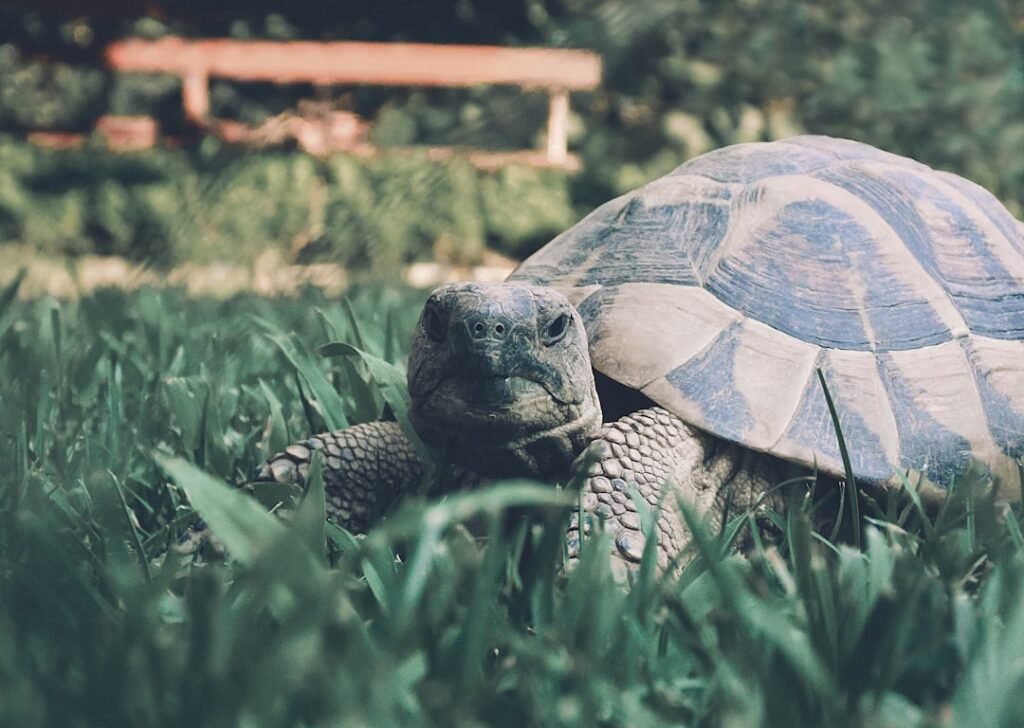
Understanding your Sulcata tortoise’s emotional state can feel like deciphering an ancient code. These gentle giants communicate through subtle movements and habits rather than vocal cues, leaving many caregivers wondering: Is my tortoise happily exploring or secretly stressed? Recognizing the difference between natural curiosity and distress signals isn’t just fascinating—it’s critical for their wellbeing. Sulcatas live for decades, and their quality of life depends heavily on how well we interpret their silent language. This guide cuts through the confusion with clear, actionable insights straight from tortoise behavior experts, helping you create a thriving environment where your spiky companion feels both safe and stimulated.
Decoding Natural Curiosity: Healthy Exploration Signs
When your Sulcata tortoise is genuinely curious, it engages with its surroundings in specific, confident ways. A curious tortoise will move purposefully toward new objects or scents rather than hesitating at the edge of its enclosure. Watch for the “stand tall” posture where they lift their entire body off the ground, stretching their neck fully to get a better view—this is their equivalent of standing on tiptoes for a better look. Head craning is another reliable indicator; they’ll extend their neck in slow, deliberate movements toward points of interest like fresh vegetation or your hand approaching their space.
Curious Sulcatas often exhibit investigative nibbling, gently testing textures with their beak on safe items like rocks or logs. Unlike stress-related mouth gaping, this is a soft, exploratory action. You’ll notice increased daytime activity during optimal temperatures (75-90°F), with purposeful wandering rather than frantic pacing. Their eyes remain bright and alert, tracking movements without the cloudy appearance associated with illness. Most tellingly, curious tortoises maintain regular eating habits—they might even investigate food offerings with extra enthusiasm, especially when presented with new leafy greens. These behaviors show your tortoise feels secure enough to engage with its world, a fundamental sign of good mental health.
Recognizing Stress Signals: When Exploration Turns Worrisome
Stress in Sulcata tortoises manifests through behaviors that often mimic curiosity at first glance but carry critical differences. One major red flag is repetitive pacing along enclosure boundaries—unlike purposeful exploration, this involves following the same path relentlessly without investigating objects. Excessive hiding beyond normal thermoregulation needs (more than 6-8 hours daily) indicates anxiety, especially if they’re wedged into corners rather than using designated shelters. Watch for abnormal foot movements like “piano playing” (rapidly lifting alternate front legs) which signals deep discomfort with their environment.
Worried About Your Reptile's Health?
Upload a photo and get instant AI health analysis. Catch problems before they become expensive vet bills.
Get Free Health Check →Stress-related shelling up differs significantly from curiosity postures. A stressed tortoise will tuck tightly with force, sometimes emitting hissing sounds from rapidly expelled air, and may remain withdrawn for hours even when undisturbed. Another critical sign is refusal to eat familiar foods they previously enjoyed, particularly when combined with lethargy. Pay attention to respiratory changes: gaping mouths not related to thermoregulation (when ambient temps are comfortable) or wheezing sounds indicate serious distress. Unlike the bright eyes of a curious tortoise, stressed individuals often develop dull, half-closed eyes with possible mucus discharge. These signals require immediate environmental assessment and potentially veterinary consultation if persistent.
Practical Enrichment Strategies to Encourage Healthy Curiosity
Boosting your Sulcata’s natural curiosity requires thoughtful environmental tweaks that mimic their native Saharan habitat. Start with scent stimulation: bury chopped prickly pear pads or hibiscus flowers just beneath the soil surface in their enclosure—this encourages natural foraging behavior as they sniff and dig. Rotate novel safe objects weekly, like untreated wooden logs of varying textures or large, smooth river stones, placing them along established pathways to prompt investigation. Create a “digging pit” using a shallow container filled with a sand-soil mix where they can safely express their instinctive burrowing behavior without damaging your landscape.
For mental challenges, construct simple obstacle courses using low, stable ramps made from slate tiles. Place edible rewards like dandelion greens at the end to motivate exploration. Introduce sensory variety through safe plants: grow patches of different grasses (orchard grass, timothy) that rustle in the wind, providing auditory stimulation. During supervised outdoor time, lay out a “food trail” leading to new areas of the yard—this builds positive associations with exploration. Remember to maintain consistent temperature gradients (basking zone 95-100°F, cool zone 75-85°F) as tortoises won’t engage curiously if thermally uncomfortable. These activities should be introduced gradually, observing your tortoise’s response to avoid overwhelming them.
Distinguishing Between Normal Behaviors and Danger Signs
Some Sulcata behaviors cause unnecessary panic among new caregivers. Head bobbing, often mistaken for distress, is typically a positive sign—they’re seeking attention or signaling hunger, especially when accompanied by following you around their enclosure. Digging is instinctive; the concern arises only when it becomes obsessive (digging 12+ hours daily) or targets fence lines exclusively. Occasional animal matter consumption (like earthworms) is natural for Sulcatas and indicates dietary intelligence, not illness. Similarly, spur rubbing against objects is normal territorial marking, distinct from stress-related shell banging which involves forceful, repeated impacts.
Never Miss Early Warning Signs
AI photo analysis catches subtle health issues humans miss 80% of the time. Early detection = healthier reptile + lower vet bills.
Start Free Trial →True danger signs require immediate action: persistent refusal to eat for 48+ hours, nasal discharge indicating respiratory infection, or shell pyramiding (abnormal growth ridges) signaling chronic dietary issues. Watch for “bubble head” swelling around the eyes—a critical sign of vitamin A deficiency. Stress becomes dangerous when combined with physical symptoms: if your tortoise is hiding excessively AND has sunken eyes (dehydration sign) or labored breathing, contact a reptile vet within 24 hours. Understanding these distinctions prevents both overreaction to normal behaviors and dangerous dismissal of serious issues.
Creating a Stress-Reduced Environment for Optimal Curiosity
Minimizing stress starts with enclosure design that respects Sulcata instincts. Provide multiple hiding spots oriented in different directions—tortoises feel safest when they can choose shelter positions without being “cornered.” Use visual barriers like artificial rock formations to break line-of-sight throughout large enclosures, reducing perceived exposure. Maintain strict separation if housing multiple tortoises; Sulcatas are solitary by nature and forced cohabitation causes chronic stress even without visible aggression. For indoor setups, position enclosures away from high-traffic areas and loud appliances—these tortoises hear low-frequency vibrations humans can’t detect.
Environmental consistency proves crucial: change only one element at a time (new substrate, rearranged rocks) to avoid overwhelming their sense of security. During temperature transitions (dawn/dusk), provide covered basking areas so they can thermoregulate without feeling exposed. Use substrate that allows natural digging behavior—50% play sand mixed with 50% topsoil prevents frustration that leads to stress pacing. Crucially, establish predictable interaction routines; sudden handling or feeding schedule changes disrupt their circadian rhythms. A stable environment doesn’t mean stagnant—it means changes happen gradually, allowing your tortoise to remain curious rather than fearful.
When to Seek Professional Help: Beyond Behavioral Observation
Even experienced keepers reach points where veterinary expertise becomes essential. Seek immediate help if you observe swollen limbs (possible metabolic bone disease), unexplained weight loss despite normal eating, or persistent lethargy where your tortoise doesn’t respond to environmental changes. Chronic stress often manifests as secondary health issues—watch for irregular shell growth during molting periods or sudden changes in fecal consistency. Document concerning behaviors with timestamped videos showing full context (temperature readings, recent diet changes) to give your vet critical diagnostic information.
Join thousands of successful reptile owners
Try ReptileCoach Free →Choose reptile specialists who understand Sulcata-specific needs; a general “exotics” vet may lack experience with this species’ unique physiology. During consultations, emphasize behavioral observations over assumptions—”He’s been hiding 10 hours daily for 3 days” is more useful than “He seems depressed.” Preventative care matters immensely: schedule annual fecal tests to catch parasites before symptoms appear, and maintain vitamin D3 supplementation records. Remember that prolonged stress suppresses immune function, making routine checkups non-negotiable even for seemingly healthy tortoises. Your observational skills combined with professional guidance create the ultimate safety net for your companion.
Conclusion: Building a Language of Trust with Your Sulcata
Reading your Sulcata tortoise’s behavior is less about memorizing isolated signs and more about understanding the complete emotional narrative they’re communicating. True curiosity blossoms only when foundational needs—space, temperature, diet, and security—are consistently met. By learning to distinguish between a purposeful “stand tall” investigation and a stress-induced shell retreat, you transform from a caretaker into a true partner in their wellbeing. These ancient creatures thrive not through constant stimulation, but through environments that honor their innate rhythms while offering safe avenues for exploration. As you implement these practical observations and enrichment strategies, you’ll notice subtle shifts: longer periods of alert engagement, confident exploration of new spaces, and that unmistakable sparkle in their eyes when they recognize you as part of their safe world. This is the language of trust—spoken not in words, but in the quiet confidence of a tortoise who knows it’s understood.
Ready to Give Your Reptile the Best Care?
Stop guessing and start knowing. Get personalized AI-powered care guidance, photo health analysis, and 24/7 expert advice for YOUR specific reptile.
Get Personalized Care Guidance
AI-powered photo analysis and daily care tracking for YOUR reptile
Try Free for 7 Days →