Understanding Your Leopard Gecko’s Hiding and Eating Behavior
If you’ve noticed your leopard gecko spending all day in its hide and refusing food, you’re likely concerned. While this behavior can be worrying for reptile owners, it’s not always a sign of serious illness. Understanding the difference between normal behavior and genuine health concerns is crucial for providing the best care for your pet.
In this comprehensive guide, we’ll explore the various reasons why leopard geckos hide and stop eating, when you should be concerned, and what steps you can take to help your gecko return to normal behavior.
Is It Normal for Leopard Geckos to Hide During the Day?
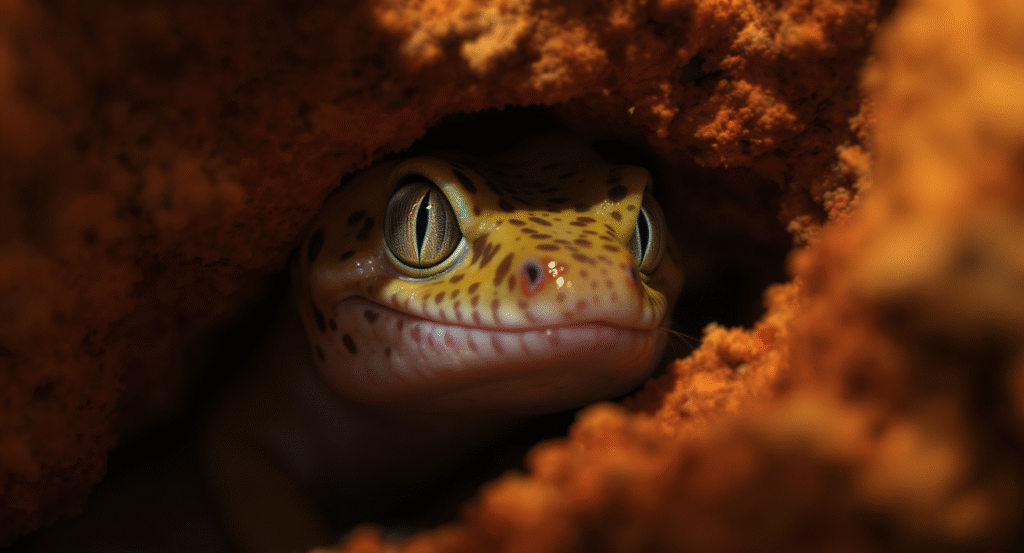
Yes, it’s completely normal for leopard geckos to hide during daylight hours. As crepuscular animals, leopard geckos are naturally most active during dawn and dusk. In the wild, they spend their days sheltered under rocks, in burrows, or in other protected spaces to avoid predators and extreme temperatures.
Your leopard gecko hiding during the day is actually a sign of healthy, instinctive behavior. However, if your gecko is hiding excessively, even during their active hours, or showing other concerning symptoms, there may be an underlying issue.
Worried About Your Reptile's Health?
Upload a photo and get instant AI health analysis. Catch problems before they become expensive vet bills.
Get Free Health Check →Common Reasons Why Leopard Geckos Stop Eating
1. Environmental Stress and Temperature Issues
Temperature plays a critical role in leopard gecko digestion and appetite. These reptiles require a thermal gradient in their enclosure, with a warm side (88-92°F) and a cool side (75-80°F). If temperatures are incorrect, your gecko may refuse food because:
- They cannot properly digest food without adequate heat
- They’re too cold and their metabolism has slowed down
- The enclosure is too hot, causing stress and discomfort
- There’s no proper temperature gradient for thermoregulation
Always use reliable thermometers (preferably digital with probes) to monitor temperatures accurately. Under-tank heaters with thermostats are the preferred heating method for leopard geckos.
2. Shedding Cycle
One of the most common reasons for temporary appetite loss is shedding. Leopard geckos typically stop eating 24-48 hours before they shed and may not resume eating until a day or two after the shed is complete. During this time, they may also hide more than usual.
Signs your gecko is about to shed include:
Never Miss Early Warning Signs
AI photo analysis catches subtle health issues humans miss 80% of the time. Early detection = healthier reptile + lower vet bills.
Start Free Trial →- Dulled, greyish coloration
- Cloudy or milky-looking eyes
- Increased hiding behavior
- Decreased activity levels
- Loss of appetite
This is completely normal and not a cause for concern. Ensure your gecko has a humid hide (with damp moss or paper towels) to help with the shedding process.
3. Seasonal Changes and Brumation
Leopard geckos may experience a natural slowdown in appetite during winter months, even when kept indoors. This semi-hibernation state called brumation can cause geckos to eat less frequently or stop eating altogether for several weeks.
During brumation, leopard geckos may:
- Spend nearly all their time hiding
- Refuse food for extended periods
- Show decreased activity levels
- Sleep more than usual
Brumation is generally only a concern for geckos under 6 months old or those who are underweight, as they don’t have sufficient fat reserves.
Join thousands of successful reptile owners
Try ReptileCoach Free →4. Stress from Environmental Changes
Leopard geckos are sensitive creatures that can become stressed by changes in their environment. Common stressors include:
- Recent relocation or new enclosure
- Changes in tank setup or decoration
- New tank mates (leopard geckos are solitary and territorial)
- Excessive handling
- Loud noises or vibrations near the enclosure
- Too much foot traffic in the room
- Bright lights or lack of hiding spots
If you’ve recently made changes to your gecko’s environment, give them time to adjust. It may take a week or two for them to settle in and resume normal eating habits.
5. Health Issues and Illness
While less common, refusing food and excessive hiding can indicate health problems. Potential health concerns include:
- Impaction: Blockage in the digestive system from substrate ingestion, dehydration, or low temperatures
- Parasites: Internal parasites can cause loss of appetite, weight loss, and lethargy
- Respiratory infections: Symptoms include labored breathing, mucus around the nose/mouth, and lethargy
- Metabolic bone disease: Caused by calcium/vitamin D3 deficiency
- Mouth rot: Bacterial infection of the mouth
- Tail loss or injury: Recent trauma can cause stress and appetite loss
When Should You Be Concerned?
While hiding during the day is normal, you should be concerned if you notice:
"This app saved my bearded dragon's life. The AI caught early MBD in photos I thought looked completely normal. Worth every penny!"
— Sarah K., ReptileCoach User
Get Your Free 7-Day Trial →- No eating for more than two weeks (outside of brumation or shedding)
- Significant weight loss or sunken appearance
- Lethargic behavior even during active hours (dusk/dawn)
- Visible signs of illness (discharge, labored breathing, abnormal feces)
- Closed or swollen eyes
- Refusing to leave the hide at all, even at night
- Tail thinning significantly
- Mucus around the nose or mouth
If any of these symptoms are present, consult a reptile veterinarian as soon as possible.
How to Encourage Your Leopard Gecko to Eat
Check and Optimize Husbandry
First, ensure all basic care requirements are met:
- Proper temperature gradient (verify with accurate thermometers)
- Appropriate lighting schedule (12 hours on, 12 hours off)
- Clean water available at all times
- At least three hides: warm hide, cool hide, and humid hide
- Appropriate substrate (tile, paper towels, or reptile carpet)
- Proper enclosure size (minimum 20-gallon long for adults)
Offer Variety in Diet
Try offering different feeder insects to stimulate appetite:
- Crickets (gut-loaded)
- Dubia roaches
- Mealworms
- Hornworms (as occasional treats)
- Black soldier fly larvae
Ensure all insects are appropriately sized (no larger than the space between your gecko’s eyes) and properly gut-loaded and dusted with calcium and vitamin D3 supplements.
Worried About Your Reptile's Health?
Upload a photo and get instant AI health analysis. Catch problems before they become expensive vet bills.
Get Free Health Check →Try Different Feeding Methods
Some geckos respond better to different feeding approaches:
- Hand-feeding with tongs
- Leaving insects in a bowl overnight
- Free-roaming insects in the enclosure (supervise to prevent escapes)
- Feeding during their peak activity times (early evening)
Frequently Asked Questions
How long can a leopard gecko go without eating?
Healthy adult leopard geckos can survive for several weeks to a few months without food, though this isn’t ideal. Juveniles have smaller fat reserves and shouldn’t go more than a week without eating. If your gecko refuses food for more than two weeks, consult a veterinarian.
Should I be worried if my leopard gecko stays in one hide all day?
Not necessarily. Leopard geckos naturally hide during daylight hours. Check if your gecko emerges during dawn or dusk hours. If they never leave their hide, even during active periods, or show other symptoms, there may be a problem requiring veterinary attention.
Can stress cause leopard geckos to stop eating?
Absolutely. Stress is one of the most common causes of appetite loss in leopard geckos. Environmental changes, over-handling, improper temperatures, or lack of adequate hiding spaces can all cause stress-related appetite loss.
Never Miss Early Warning Signs
AI photo analysis catches subtle health issues humans miss 80% of the time. Early detection = healthier reptile + lower vet bills.
Start Free Trial →My leopard gecko hasn’t eaten in a week. What should I do?
First, verify all husbandry parameters are correct. Check if your gecko is shedding or may be entering brumation. If temperatures are correct and there are no signs of shedding, monitor for another week while offering food every 2-3 days. If the gecko still refuses food after two weeks, consult a reptile veterinarian.
How do I know if my leopard gecko is sick or just hiding normally?
Observe your gecko during their active hours (dawn and dusk). A healthy gecko should emerge, explore, and show interest in their environment. Look for additional symptoms like weight loss, lethargy during active hours, abnormal feces, discharge, or difficulty moving. When in doubt, consult a veterinarian.
Do leopard geckos hide more in winter?
Yes, many leopard geckos experience reduced activity and increased hiding during winter months due to brumation, even in captivity. This is normal for healthy adult geckos but should be monitored in juveniles or underweight animals.
Take Your Reptile Care to the Next Level
Understanding your leopard gecko’s behavior can be challenging, especially for new reptile owners. While hiding during the day is perfectly normal, distinguishing between healthy behavior and warning signs requires knowledge and experience.
Join thousands of successful reptile owners
Try ReptileCoach Free →That’s where ReptileCoach AI comes in. Our advanced AI-powered platform provides personalized guidance for your leopard gecko’s specific needs, helping you:
- Troubleshoot feeding and behavioral issues in real-time
- Get instant answers to your reptile care questions 24/7
- Receive customized care recommendations based on your gecko’s age, size, and symptoms
- Access a comprehensive database of reptile health information
- Track your gecko’s feeding schedule, weight, and health milestones
Try ReptileCoach AI free for 14 days and gain the confidence you need to provide exceptional care for your leopard gecko. No credit card required – just expert reptile guidance whenever you need it.
Don’t wait until a small concern becomes a serious health issue. Start your free trial today and ensure your leopard gecko thrives in your care!
Ready to Give Your Reptile the Best Care?
Stop guessing and start knowing. Get personalized AI-powered care guidance, photo health analysis, and 24/7 expert advice for YOUR specific reptile.
Get Personalized Care Guidance
AI-powered photo analysis and daily care tracking for YOUR reptile
Try Free for 7 Days →