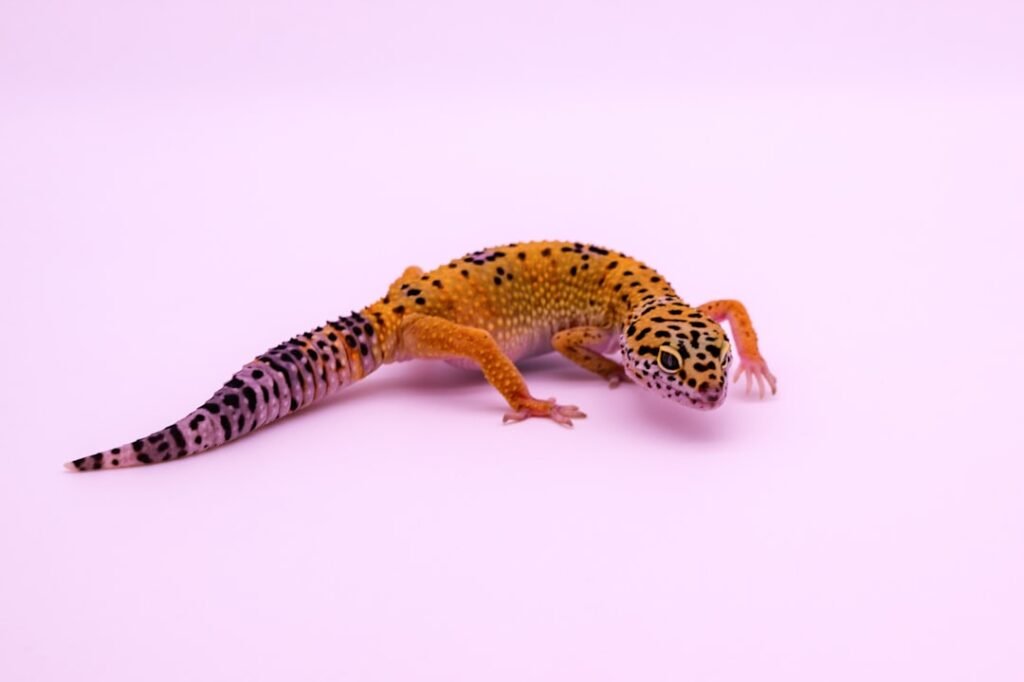
When your leopard gecko refuses food, it can be incredibly stressful. These normally enthusiastic feeders can suddenly turn their noses up at meals, leaving owners worried and confused. Understanding the nutritional factors behind appetite loss is crucial for getting your gecko back on track. Whether your leopard gecko has stopped eating entirely or is just showing decreased interest in food, addressing the underlying nutritional and environmental causes can make all the difference in restoring their health and feeding response.
Understanding Normal Leopard Gecko Feeding Patterns
Before diagnosing a problem, it’s essential to understand what constitutes normal eating behavior. Leopard geckos don’t eat on a rigid schedule like mammals. Adult leopard geckos typically eat every 2-4 days, while juveniles require daily feeding. However, temporary fasting is completely normal and doesn’t always indicate a problem.
Healthy leopard geckos may refuse food during breeding season, shedding cycles, or winter cooling periods. Adults can safely go 10-14 days without eating, though this should be monitored closely. The key difference between normal fasting and problematic appetite loss lies in accompanying symptoms: weight loss, lethargy, sunken eyes, or visible bone structure all signal that intervention is needed.
Temperature-Related Nutritional Problems
Temperature is the single most common cause of feeding refusal in leopard geckos, and it directly impacts their nutritional metabolism. These ectothermic reptiles rely entirely on external heat sources to digest food properly. Without adequate temperatures, their digestive enzymes don’t function, leading to appetite suppression as a protective mechanism.
Worried About Your Reptile's Health?
Upload a photo and get instant AI health analysis. Catch problems before they become expensive vet bills.
Get Free Health Check →The warm side of your gecko’s enclosure must reach 88-92°F, measured with a digital thermometer placed directly on the surface. The cool side should remain between 75-80°F. Many owners make the critical error of measuring air temperature instead of surface temperature, creating a false sense of security. If your leopard gecko’s basking spot isn’t warm enough, they simply won’t feel hungry because their body knows it can’t process food.
Invest in a quality thermostat-controlled heat source, preferably an under-tank heater or ceramic heat emitter. Check temperatures with an infrared temperature gun for accuracy. If you’ve been guessing at temperatures or relying on cheap stick-on thermometers, this could be your culprit. Within 24-48 hours of correcting temperature issues, most leopard geckos resume eating.
Nutritional Deficiencies and Supplementation Errors
Improper supplementation can paradoxically cause feeding refusal. Leopard geckos have sensitive taste receptors, and over-supplemented prey items taste chalky and unappetizing. Conversely, deficiencies in calcium, vitamin D3, or vitamin A can lead to metabolic issues that suppress appetite.
The correct supplementation schedule involves dusting prey with pure calcium powder at most feedings, calcium with D3 once weekly, and a multivitamin once weekly. Many owners either dust too heavily or mix all supplements together, creating an unpalatable coating. The key is light dusting—just enough to barely see a white coating on the insects.
Never Miss Early Warning Signs
AI photo analysis catches subtle health issues humans miss 80% of the time. Early detection = healthier reptile + lower vet bills.
Start Free Trial →If your leopard gecko has been refusing heavily dusted prey, try offering plain insects for one feeding to gauge interest. If they eat enthusiastically, you’ve identified the problem. Gradually reintroduce supplements using a lighter hand. For geckos showing signs of metabolic bone disease (tremors, kinked tail, weak limbs), consult a reptile veterinarian immediately as force-feeding supplemented slurries may be necessary.
Prey Size and Variety Optimization
Feeding inappropriately sized prey is a frequently overlooked nutritional issue. The general rule states that prey items should be no wider than the space between your gecko’s eyes. Oversized prey can cause impaction, intimidation, or simply lack of interest. Undersized prey may not satisfy hunger, leading to nutritional deficiencies despite regular feeding.
Leopard geckos also experience feeding boredom. A gecko fed exclusively medium crickets for months may lose interest. Nutritional optimization requires variety: crickets, dubia roaches, mealworms, superworms, hornworms, and black soldier fly larvae all offer different nutritional profiles. Rotating between 3-4 feeder types provides better nutrient balance and maintains feeding interest.
Gut-loading your feeder insects is equally critical. Insects raised on nutritionally void substrates transfer minimal nutrition to your gecko. Feed your crickets and roaches high-quality gut-load diet containing vegetables, grains, and commercial gut-load products for 24-48 hours before offering them. This transforms them into nutrient-dense meals rather than empty calories.
Join thousands of successful reptile owners
Try ReptileCoach Free →Hydration and Its Impact on Appetite
Dehydration profoundly affects feeding behavior but is often missed by owners. Leopard geckos obtain most moisture from prey items, but they also need access to clean water. More importantly, humidity levels affect their overall hydration status and willingness to eat.
While leopard geckos require dry environments (30-40% humidity), their humid hide must maintain 70-80% humidity to support proper shedding and hydration. A gecko experiencing shedding difficulties due to inadequate humidity often refuses food. Check that your humid hide contains moist sphagnum moss or paper towels that are refreshed daily.
Dehydrated geckos show sunken eyes, wrinkled skin, and lethargy. Offering a shallow water dish isn’t always sufficient. Some geckos benefit from gentle misting during shedding periods or even assisted baths in shallow lukewarm water for 10-15 minutes. Once hydration improves, appetite typically returns within a few days.
Stress Factors Affecting Nutritional Intake
Environmental stress creates a cascade of hormonal responses that suppress appetite. Recent enclosure changes, new tank mates, excessive handling, loud noises, or even repositioning the tank can trigger feeding refusal. Leopard geckos need stability and predictability to feel secure enough to eat.
"This app saved my bearded dragon's life. The AI caught early MBD in photos I thought looked completely normal. Worth every penny!"
— Sarah K., ReptileCoach User
Get Your Free 7-Day Trial →Provide at least three hides: one on the warm side, one on the cool side, and one humid hide. Your gecko should feel completely concealed in each hide—if you can see them, the hide isn’t adequate. Some naturally shy geckos won’t eat in exposed areas and require feeding in their hides or during evening hours when they feel safer.
Cohabitation stress is particularly problematic. Even geckos that appear to tolerate each other may experience feeding suppression from competition. The submissive gecko often eats less or refuses food entirely. If you house multiple geckos together and one isn’t eating, separation is the immediate solution.
Seasonal and Reproductive Influences on Nutrition
Leopard geckos experience natural seasonal rhythms that affect appetite, even in captivity with controlled temperatures. During winter months (November through February in the Northern Hemisphere), many geckos naturally reduce food intake. This brumation-like behavior is normal and doesn’t require intervention unless weight loss becomes concerning.
Breeding-age females often refuse food before, during, and immediately after egg laying. The physical demands of egg production can suppress appetite for 1-2 weeks. Ensure these females receive extra calcium supplementation when they do eat, and monitor weight closely. Post-lay appetite suppression lasting beyond two weeks warrants veterinary attention, as egg binding or follicular stasis may be present.
Worried About Your Reptile's Health?
Upload a photo and get instant AI health analysis. Catch problems before they become expensive vet bills.
Get Free Health Check →Male leopard geckos during breeding season (January through September) may also show reduced appetite while focusing energy on reproduction. This is normal provided they maintain body condition and don’t lose significant weight.
Health Issues Requiring Veterinary Intervention
When nutritional optimization and environmental corrections don’t restore appetite within 2-3 weeks, underlying health problems may be responsible. Parasitic infections, particularly cryptosporidiosis and pinworms, commonly cause appetite loss. Fecal examinations by a reptile veterinarian can identify and treat these issues.
Impaction from substrate ingestion, constipation, or organ dysfunction all prevent normal eating behavior. Warning signs include visible bulges in the abdomen, straining to defecate, or lethargy combined with appetite loss. Never attempt home remedies like oil administration—these can worsen the condition. Professional diagnosis through radiographs may be necessary.
Respiratory infections manifest as open-mouth breathing, mucus around the nostrils, and wheezing, all of which suppress appetite. These require antibiotics prescribed by a veterinarian. Mouth rot (infectious stomatitis) causes painful eating and obvious oral inflammation with cheese-like discharge along the gum line.
Never Miss Early Warning Signs
AI photo analysis catches subtle health issues humans miss 80% of the time. Early detection = healthier reptile + lower vet bills.
Start Free Trial →Reintroducing Food After Extended Fasting
Once you’ve identified and corrected the underlying cause, reintroducing food requires patience and strategy. Don’t immediately offer large meals—this can overwhelm a gecko with a shrunken stomach. Start with 2-3 appropriately sized insects and gradually increase over several feedings.
Some geckos respond better to live prey after fasting, as the movement triggers predatory instincts. Wiggling prey with tongs near their face can spark interest. For extremely reluctant feeders, waxworms serve as appetite stimulants due to their high fat content and strong scent, but should be used sparingly as they’re nutritionally incomplete.
Feed during evening hours when leopard geckos are naturally active. Darken the room except for their tank lighting, minimize disturbances, and give them 30-45 minutes of privacy with prey items. Some geckos won’t eat while being watched.
Monitoring Progress and Long-Term Nutritional Health
Track your leopard gecko’s weight weekly using a digital gram scale. Adult weight fluctuations of 5-10% are normal, but losses exceeding this indicate continued problems. Maintain a feeding log documenting what was offered, what was consumed, and any unusual behaviors. This data proves invaluable when consulting veterinarians.
Join thousands of successful reptile owners
Try ReptileCoach Free →Assess body condition by gently examining the tail thickness—it should be plump and rounded, not thin or bony. The hip bones shouldn’t be prominently visible, and the spine shouldn’t create a visible ridge. A healthy leopard gecko has smooth, full contours rather than angular features.
Long-term nutritional success requires consistent schedules, high-quality feeders, proper supplementation, and optimal environmental conditions. Regular veterinary check-ups annually or when problems arise ensure you catch issues early before they severely impact health.
Conclusion: Taking Action for Your Leopard Gecko
Addressing a leopard gecko’s feeding refusal requires systematic evaluation of temperature, supplementation practices, prey quality, hydration, stress factors, and potential health issues. Start by verifying your heat sources provide adequate basking temperatures of 88-92°F, as this single factor resolves the majority of feeding problems. Next, assess your supplementation routine and prey variety, ensuring you’re offering appropriately sized, well-gut-loaded insects with light, balanced dusting. Monitor your gecko’s hydration status and ensure their humid hide maintains proper moisture levels. If environmental and nutritional corrections don’t restore appetite within 2-3 weeks, or if your gecko shows concerning symptoms like weight loss, lethargy, or visible illness, seek immediate veterinary care from a reptile specialist. With patience, attention to detail, and proper husbandry, most feeding issues resolve completely, returning your leopard gecko to optimal health and enthusiastic eating.
Ready to Give Your Reptile the Best Care?
Stop guessing and start knowing. Get personalized AI-powered care guidance, photo health analysis, and 24/7 expert advice for YOUR specific reptile.
Get Personalized Care Guidance
AI-powered photo analysis and daily care tracking for YOUR reptile
Try Free for 7 Days →