
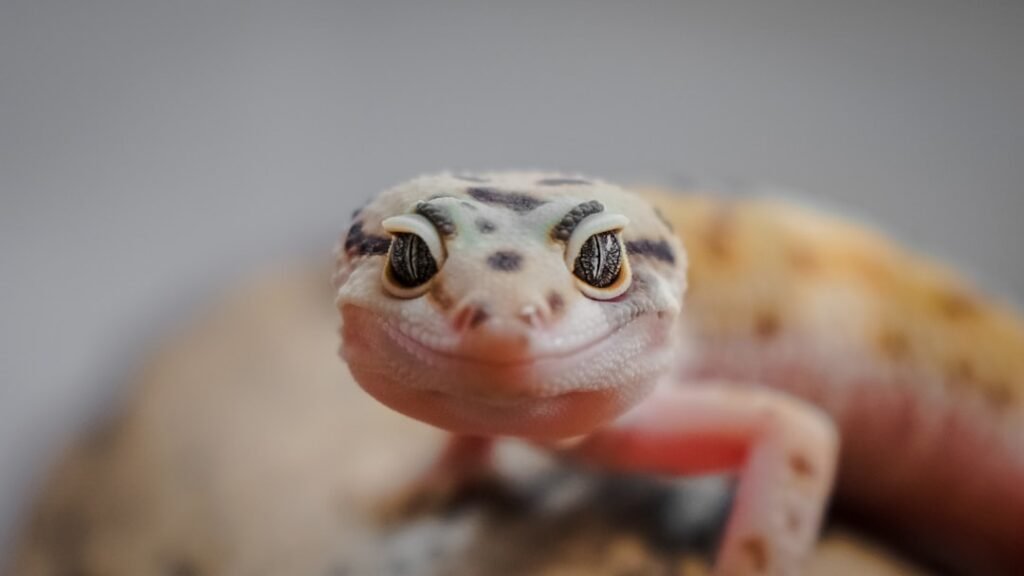
When your leopard gecko falls ill, one of the most powerful tools in your recovery arsenal is something you might already have in your terrarium: proper temperature control. Temperature therapy, also known as thermal support, can significantly boost your gecko’s immune system and speed up recovery from various illnesses. Understanding how to adjust and maintain optimal temperatures during sickness can mean the difference between a quick recovery and prolonged suffering for your beloved pet.
Why Temperature Matters for Sick Leopard Geckos
Leopard geckos are ectothermic creatures, meaning they rely entirely on external heat sources to regulate their body temperature. Unlike mammals, they cannot generate their own body heat through metabolism. This makes temperature control absolutely critical, especially when they’re fighting off infections, parasites, or recovering from injuries.
When a leopard gecko is sick, its immune system works overtime to combat the illness. This process requires energy, and that energy comes from proper metabolic function, which is directly tied to body temperature. A gecko kept at suboptimal temperatures while sick will have a sluggish immune response, slower digestion, and reduced ability to heal. Conversely, appropriate temperature therapy can supercharge their natural healing processes.
Understanding Optimal Temperature Ranges
For a healthy leopard gecko, the standard temperature gradient includes a basking spot of 88-92°F, a warm side of 85-88°F, and a cool side of 75-80°F. However, when your gecko is sick, these numbers may need adjustment depending on the specific condition.
Worried About Your Reptile's Health?
Upload a photo and get instant AI health analysis. Catch problems before they become expensive vet bills.
Get Free Health Check →During illness, many experienced reptile veterinarians recommend maintaining the warm side at the higher end of the normal range or slightly elevated to around 90-93°F. This slightly elevated temperature helps boost metabolic activity and immune function without causing stress. The key is consistency and monitoring rather than extreme heat.
Temperature Adjustments for Specific Conditions
Different illnesses may benefit from slightly different temperature approaches:
- Respiratory infections: Maintain warm side at 90-92°F to help thin mucus and improve breathing
- Digestive issues: Keep temperatures at 88-90°F to support proper digestion and gut motility
- Parasitic infections: Elevated temperatures of 90-93°F can help the immune system fight parasites more effectively
- Post-surgery recovery: Maintain stable 88-90°F to promote healing without overheating
- General weakness or lethargy: Consistent 88-91°F to support overall metabolic function
Setting Up a Hospital Tank
Creating a dedicated hospital tank for your sick leopard gecko ensures you can maintain precise temperature control without the variables of a fully decorated terrarium. A hospital tank should be simple, clean, and focused entirely on recovery.
Use a 10-20 gallon tank with paper towel substrate for easy cleaning and monitoring of feces. Install a quality under-tank heater covering one-third to one-half of the tank bottom, controlled by a reliable thermostat. Place a flat hide on the warm side where your gecko can rest while absorbing heat. Include a shallow water dish with fresh water changed daily.
Never Miss Early Warning Signs
AI photo analysis catches subtle health issues humans miss 80% of the time. Early detection = healthier reptile + lower vet bills.
Start Free Trial →The simplicity of a hospital tank eliminates places where bacteria can hide and makes it easier to observe your gecko’s behavior, eating habits, and waste production. Most importantly, it allows for precise temperature management throughout the recovery period.
Monitoring and Maintaining Proper Temperatures
Accurate temperature monitoring is non-negotiable when using temperature therapy. Invest in quality equipment including a digital thermometer with a probe for surface temperature readings and an infrared temperature gun for spot-checking various areas of the enclosure.
Take temperature readings at least three times daily: morning, midday, and evening. Record these measurements to track any fluctuations. Your thermostat should maintain consistency, but environmental factors like room temperature changes can affect the enclosure.
Essential Equipment Checklist
- High-quality thermostat (never run heat sources without one)
- Under-tank heater or heat mat appropriate for tank size
- Digital thermometer with probe
- Infrared temperature gun
- Backup heating source in case of equipment failure
- Timer for maintaining consistent day/night cycles
Signs Your Temperature Therapy Is Working
As your leopard gecko responds to proper temperature therapy, you should notice gradual improvements over several days to weeks, depending on the severity of the illness. Increased alertness is often the first positive sign, with your gecko becoming more aware of its surroundings and showing interest when you approach.
Join thousands of successful reptile owners
Try ReptileCoach Free →Improved appetite typically follows, though this may take several days. Don’t be discouraged if your gecko doesn’t eat immediately. Focus on maintaining proper hydration and temperatures. You should also see more regular bowel movements as digestive function improves, and the gecko may begin spending time actively thermoregulating between warm and cool areas rather than remaining lethargic in one spot.
Common Mistakes to Avoid
The most dangerous mistake is overheating. Some well-meaning owners think “if warm is good, warmer must be better,” but temperatures above 95°F can cause severe stress, organ damage, or death. Always use a thermostat and never rely on heat sources without temperature regulation.
Another common error is removing the temperature gradient entirely. Even sick geckos need the ability to move to cooler areas if they become too warm. Maintain at least a small cool zone in the hospital tank where temperatures don’t exceed 80-82°F.
Inconsistent temperatures can actually hinder recovery. Dramatic fluctuations stress the gecko’s system and prevent the stable metabolic function needed for healing. If your heating equipment is unreliable, replace it immediately rather than trying to make do.
"This app saved my bearded dragon's life. The AI caught early MBD in photos I thought looked completely normal. Worth every penny!"
— Sarah K., ReptileCoach User
Get Your Free 7-Day Trial →Supporting Temperature Therapy with Other Care
Temperature therapy works best when combined with comprehensive supportive care. Ensure your gecko has access to clean, fresh water at all times. Dehydration severely impacts recovery, and you may need to offer water via dropper or even provide assisted baths if your gecko isn’t drinking independently.
Minimize stress by keeping the hospital tank in a quiet area away from loud noises, vibrations, and excessive activity. Handle your gecko only when necessary for medication administration or health checks. Maintain a consistent 12-hour light/dark cycle to support natural circadian rhythms.
If your veterinarian has prescribed medications, administer them exactly as directed and at the same times each day. The improved metabolic function from proper temperatures will help your gecko process and benefit from these medications more effectively.
When to Adjust Your Approach
Not every gecko responds identically to temperature therapy. Monitor your pet closely for signs that adjustments are needed. If your gecko constantly hides on the cool side and avoids the warm area, temperatures may be too high. Conversely, if it remains constantly on the heat source and never moves to cooler areas, you might need to increase the warm side temperature slightly.
Worried About Your Reptile's Health?
Upload a photo and get instant AI health analysis. Catch problems before they become expensive vet bills.
Get Free Health Check →Rapid breathing, gaping mouth, or signs of distress indicate overheating and require immediate temperature reduction. Move your gecko to the cool side and reduce the thermostat setting by a few degrees.
Long-Term Recovery Considerations
Temperature therapy isn’t a quick fix. Most illnesses require 1-4 weeks of consistent supportive care before significant improvement occurs. Maintain your temperature protocol throughout the entire treatment period recommended by your veterinarian, even if your gecko seems improved.
As your leopard gecko recovers and your vet gives the all-clear, gradually transition back to normal enclosure temperatures over 3-5 days rather than making abrupt changes. This allows the gecko’s system to readjust without stress.
Conclusion
Temperature therapy is one of the most effective tools for supporting your sick leopard gecko’s recovery. By understanding the crucial role temperature plays in immune function and metabolism, maintaining precise control through quality equipment, and avoiding common pitfalls like overheating or inconsistency, you can significantly improve your gecko’s chances of a full recovery. Remember that temperature therapy should always complement, not replace, proper veterinary care. When combined with appropriate medications, supportive care, and patience, optimal temperature management can help your leopard gecko return to full health and vitality. Monitor closely, maintain consistency, and don’t hesitate to consult your reptile veterinarian if you have concerns about your gecko’s progress or temperature management approach.
Never Miss Early Warning Signs
AI photo analysis catches subtle health issues humans miss 80% of the time. Early detection = healthier reptile + lower vet bills.
Start Free Trial →Ready to Give Your Reptile the Best Care?
Stop guessing and start knowing. Get personalized AI-powered care guidance, photo health analysis, and 24/7 expert advice for YOUR specific reptile.
Get Personalized Care Guidance
AI-powered photo analysis and daily care tracking for YOUR reptile
Try Free for 7 Days →