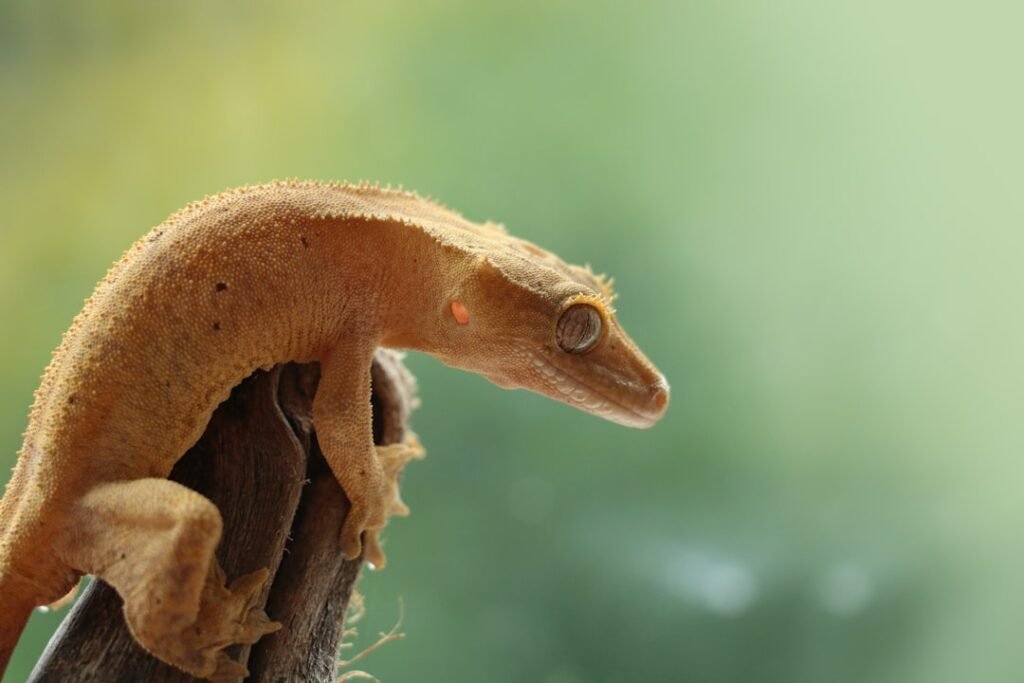
Watching your tiny mourning gecko colony thrive is incredibly rewarding, but these miniature marvels can’t tell you when they’re unwell. Their small size makes subtle health issues easy to miss until they become serious. Understanding common diseases and their treatments isn’t just helpful—it’s essential for keeping your parthenogenic colony healthy for years. With proper knowledge, you can catch problems early, provide effective care, and enjoy these fascinating geckos as low-maintenance yet captivating pets. Let’s dive into the most frequent health challenges and exactly how to address them.
Metabolic Bone Disease: The Silent Threat
Metabolic Bone Disease (MBD) is the most common and serious health issue for mourning geckos, caused by calcium or vitamin D3 deficiency. Without proper treatment, it can be fatal. Recognizing the symptoms early is critical for your gecko’s survival. Watch for a kinked or wavy tail—this is often the first visible sign. Check your gecko’s calcium sacs by gently looking at the underside of her throat; healthy sacs appear as two distinct white ovals. If they’re small or missing, MBD is likely present. Other symptoms include curved limbs, loss of coordination, seizures, lethargy, and appetite loss.
Treatment requires immediate action. Start by installing a 5-7% UVB bulb like the Zoo Med Reptisun Compact 5.0 over the enclosure mesh—UVB is non-negotiable for healing MBD as it enables natural vitamin D3 synthesis. Replace UVB bulbs every 6 months, as they lose effectiveness even if still emitting light. Simultaneously, offer a shallow dish of calcium powder with added vitamin D3, and dust every feeder insect with the same supplement. For severe cases, consult a reptile veterinarian who may administer injectable calcium and fluid therapy. Recovery takes weeks to months, so maintain consistent UVB exposure and supplementation throughout.
Shedding Troubles and How to Fix Them
Stuck shed (dysecdysis) is frustratingly common in mourning geckos due to improper humidity or dehydration. Unlike larger geckos, they can’t easily rub off retained skin, leading to constrictions on toes or eyes. Symptoms include opaque patches of unshed skin, especially on digits or the head, and geckos rubbing against surfaces excessively.
Worried About Your Reptile's Health?
Upload a photo and get instant AI health analysis. Catch problems before they become expensive vet bills.
Get Free Health Check →Prevention is your best defense. Maintain 70-80% humidity using daily misting (twice a day) and a bioactive setup with live plants like pothos. Include moist micro-hides filled with sphagnum moss for shedding spots. If stuck shed occurs, gently mist the affected area and use a cotton swab dipped in lukewarm water to loosen the skin—never pull it off. For eye caps, apply a single drop of sterile saline solution to soften the shed. Never use oils, as they can clog pores. Persistent shedding issues often signal underlying dehydration, so double-check your enclosure’s moisture levels and ensure a wall-mounted water dish is available.
Tail and Limb Loss: Natural Defense and Recovery
Tail loss (autotomy) is a natural defense mechanism mourning geckos use when stressed or handled roughly. While alarming, it’s rarely life-threatening. Unlike some geckos, mourning geckos don’t regenerate tails fully—they’ll grow a shorter, cartilaginous replacement. Limb loss is less common but can occur from enclosure hazards like sharp decorations or aggressive tank mates.
Prevent injuries by minimizing handling—these are display-only pets due to their speed and fragility. Secure all decor to avoid shifting, and avoid sharp-edged plants or branches. If tail or limb loss occurs, isolate the gecko immediately to prevent infection. Clean the wound by increasing misting frequency (no direct spraying) to keep it moist. Monitor for redness, swelling, or pus, which indicate infection requiring veterinary antibiotics. Most geckos adapt well post-injury, but ensure easy access to food and water by placing them lower in the enclosure.
Seizures and Neurological Issues
Seizures in mourning geckos are often linked to advanced MBD or severe dehydration. During an episode, your gecko may twitch uncontrollably, flip onto her back, or become temporarily paralyzed. While frightening, staying calm is crucial—never restrain a seizing gecko.
Never Miss Early Warning Signs
AI photo analysis catches subtle health issues humans miss 80% of the time. Early detection = healthier reptile + lower vet bills.
Start Free Trial →Address the root cause immediately. If MBD is suspected, implement UVB and calcium supplementation as outlined earlier. For dehydration, offer a shallow dish of electrolyte solution (1 tsp unflavored Pedialyte to 1 cup water) for 30 minutes, then replace with fresh water. Ensure ambient temperatures stay within 77-82°F daytime (72°F at night)—extreme heat can trigger neurological stress. If seizures persist beyond 2 minutes or recur frequently, seek urgent veterinary care for injectable calcium or fluid therapy. Prevent future episodes by maintaining stable temperatures and consistent supplementation.
Preventing Disease Through Smart Husbandry
Most mourning gecko health issues stem from preventable husbandry mistakes. A bioactive enclosure is your strongest ally—it maintains humidity, provides natural foraging, and reduces stress. Here’s how to build a disease-resistant habitat:
- UVB is mandatory: Use a 5-7% linear UVB tube (not compact bulbs) covering ⅓ of the enclosure. Mount it 6-8 inches above the basking area through mesh.
- Diet diversity saves lives: Feed high-quality crested gecko diet (CGD) like Repashy or Pangea daily, replacing it every 24-48 hours. Supplement with calcium-dusted insects (flightless fruit flies, pinhead crickets) 1-2x weekly. Never skip gut-loading insects!
- Humidity control: Aim for 70-80% via daily misting and a drainage layer with live plants. Use a digital hygrometer for accuracy.
- Temperature precision: Keep daytime temps at 77-82°F with a low-wattage heat mat on one side. Night drops to 72°F are acceptable.
Remember: mourning geckos are parthenogenic and colony-oriented. Stress from isolation or overcrowding weakens immunity. Start with 2-3 adults in a 12x12x18″ enclosure, adding 5 gallons per extra gecko. Avoid handling—observe instead!
Proactive Health Monitoring Routine
Catch problems before they escalate with these simple weekly checks:
Join thousands of successful reptile owners
Try ReptileCoach Free →- Weight tracking: Use a gram scale to monitor weekly. Sudden loss (>10%) signals illness.
- Calcium sac check: Gently lift your gecko to view throat sacs under a lamp. White ovals = healthy.
- Stool inspection: Runny or white feces indicate parasites or dehydration.
- Behavior log: Note activity levels, feeding frequency, and shedding success.
Keep a dedicated health journal—patterns emerge over time. Thin tails often precede MBD, while lethargy may indicate temperature issues. If you spot concerns, adjust husbandry first before assuming disease. For example, a gecko refusing food might need warmer basking spots rather than medical intervention.
When to See a Reptile Vet
Some situations demand professional help. Seek immediate veterinary care if you observe:
- Prolonged seizures (>2 minutes)
- Open wounds with pus or swelling
- Blood in stool or mouth
- Complete appetite loss for 7+ days
- Sudden limb paralysis
Prepare for the visit by noting symptoms, temperature/humidity logs, and photos. Most vets will perform fecal tests, blood work, and possibly X-rays to diagnose issues like advanced MBD or infections. Treatment may include injectable antibiotics, antiparasitics, or calcium gluconate. While costs vary, early intervention is far more affordable than emergency care for advanced conditions.
Ensuring Lifelong Colony Wellness
Mourning geckos can live 5-10 years with proper care, but their health hinges on your consistency. By prioritizing UVB lighting, calcium-rich nutrition, and stress-free environments, you’ll prevent 90% of common diseases. Remember that their parthenogenic nature means your initial pair can become dozens—plan enclosure space accordingly to avoid overcrowding stress. Regularly review your setup: replace UVB bulbs on schedule, refresh bioactive substrates annually, and diversify their diet with new insect types. Most importantly, observe your geckos daily; their subtle behaviors are the earliest warning signs. With attentive care, your mourning gecko colony will thrive as a vibrant, self-sustaining ecosystem in your home—a testament to your dedication as a reptile keeper.
"This app saved my bearded dragon's life. The AI caught early MBD in photos I thought looked completely normal. Worth every penny!"
— Sarah K., ReptileCoach User
Get Your Free 7-Day Trial →Ready to Give Your Reptile the Best Care?
Stop guessing and start knowing. Get personalized AI-powered care guidance, photo health analysis, and 24/7 expert advice for YOUR specific reptile.
Get Personalized Care Guidance
AI-powered photo analysis and daily care tracking for YOUR reptile
Try Free for 7 Days →