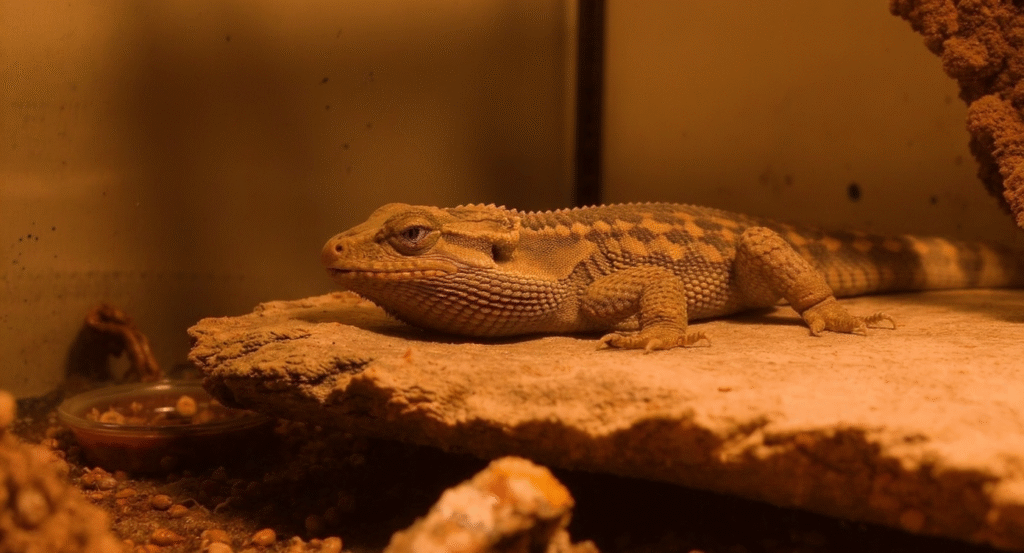
When your bearded dragon suddenly loses interest in food, it’s natural to feel concerned. As a reptile owner, you’ve likely established a feeding routine, so when your scaly companion refuses their favorite insects or greens, alarm bells start ringing. The good news? Loss of appetite in bearded dragons is common and often temporary. However, understanding the underlying causes and knowing when to take action is crucial for your pet’s health.
In this comprehensive guide, we’ll explore why bearded dragons stop eating, what steps you should take immediately, and how to prevent future feeding issues.
Common Reasons Why Bearded Dragons Stop Eating
Before you panic, it’s important to understand that bearded dragons can refuse food for numerous reasons—many of which are completely normal and temporary.
1. Brumation (Reptile Hibernation)
Brumation is perhaps the most common reason for decreased appetite in bearded dragons, particularly during winter months. This natural process is similar to hibernation in mammals, where your dragon’s metabolism slows down significantly.
Worried About Your Reptile's Health?
Upload a photo and get instant AI health analysis. Catch problems before they become expensive vet bills.
Get Free Health Check →Signs of brumation include:
- Increased sleeping and lethargy
- Reduced or complete loss of appetite
- Spending more time in cooler areas of the enclosure
- Less frequent bowel movements
Brumation typically occurs in adult bearded dragons (over 12-18 months old) and can last anywhere from a few weeks to several months. During this period, it’s completely normal for your dragon to eat very little or nothing at all.
2. Temperature and Lighting Issues
Bearded dragons are ectothermic, meaning they rely on external heat sources to regulate their body temperature. Improper temperatures can severely impact their appetite and digestion.
Ideal temperature ranges:
Never Miss Early Warning Signs
AI photo analysis catches subtle health issues humans miss 80% of the time. Early detection = healthier reptile + lower vet bills.
Start Free Trial →- Basking spot: 95-105°F (35-40°C)
- Cool side: 75-85°F (24-29°C)
- Nighttime: 70-75°F (21-24°C)
Additionally, UVB lighting is essential for calcium metabolism and overall health. Without adequate UVB exposure (10-12 hours daily), bearded dragons may lose their appetite. Replace UVB bulbs every 6-12 months, as their effectiveness diminishes over time even when they still produce visible light.
3. Stress and Environmental Changes
Bearded dragons are creatures of habit, and changes in their environment can cause significant stress leading to appetite loss. Common stressors include:
- Moving to a new enclosure or home
- Changes in tank placement or decoration
- Presence of other pets or excessive handling
- Loud noises or excessive activity near their habitat
- Reflections in glass that they perceive as rival dragons
New bearded dragons often refuse food for the first few days to weeks after being brought home as they acclimate to their new surroundings.
4. Impaction and Digestive Issues
Impaction occurs when your bearded dragon cannot pass something through their digestive system. This serious condition requires immediate attention and commonly results from:
Join thousands of successful reptile owners
Try ReptileCoach Free →- Ingesting substrate (sand, wood chips, etc.)
- Eating insects that are too large
- Insufficient hydration
- Inadequate basking temperatures affecting digestion
Warning signs of impaction:
- No bowel movements for several days
- Dragging or limp back legs
- Lethargy and reduced activity
- Visible lump in the abdomen
5. Illness and Parasites
Various health conditions can cause loss of appetite in bearded dragons, including respiratory infections, metabolic bone disease, mouth rot, and internal parasites. If appetite loss is accompanied by other symptoms like weight loss, lethargy, unusual feces, or behavioral changes, a veterinary visit is essential.
6. Shedding
During the shedding process, many bearded dragons eat less or refuse food entirely. This is normal behavior and appetite typically returns once shedding is complete. Ensure proper humidity levels (30-40%) and provide a rough surface for rubbing to facilitate the shedding process.
What to Do When Your Bearded Dragon Won’t Eat
Now that you understand potential causes, let’s discuss the practical steps you should take when your bearded dragon refuses food.
"This app saved my bearded dragon's life. The AI caught early MBD in photos I thought looked completely normal. Worth every penny!"
— Sarah K., ReptileCoach User
Get Your Free 7-Day Trial →Step 1: Monitor and Document
Keep a detailed log including:
- How many days without eating
- Last bowel movement
- Behavioral changes
- Weight (weigh weekly using a digital scale)
- Any other symptoms
This information will be invaluable if you need to consult a veterinarian.
Step 2: Check Environmental Conditions
Use a temperature gun or reliable thermometer to verify your basking and ambient temperatures. Check that:
- Your UVB bulb is functioning and not expired
- The basking spot reaches appropriate temperatures
- There’s a proper temperature gradient in the enclosure
- Lighting is on a proper day/night cycle (12-14 hours on, 10-12 hours off)
Step 3: Assess for Stress Factors
Examine your dragon’s environment for potential stressors:
Worried About Your Reptile's Health?
Upload a photo and get instant AI health analysis. Catch problems before they become expensive vet bills.
Get Free Health Check →- Is the enclosure in a high-traffic area?
- Can they see their reflection in the glass?
- Have there been any recent changes?
- Is the enclosure large enough? (Adults need minimum 75 gallons, ideally 120 gallons)
Step 4: Try Appetite Stimulation Techniques
If environmental factors are correct and your dragon seems otherwise healthy, try these tactics:
- Offer favorite foods: Try particularly enticing insects like hornworms or waxworms (in moderation)
- Provide variety: Introduce new vegetables or insects
- Warm bath: A 15-20 minute soak in warm water (90-95°F) can stimulate appetite and help with hydration
- Hand feeding: Some bearded dragons respond better to hand-fed insects
- Movement: Wiggle greens with tongs to trigger hunting instinct
Step 5: Know When to See a Vet
Schedule a veterinary appointment if:
- Your dragon hasn’t eaten for more than two weeks (if not brumating)
- Significant weight loss occurs (more than 10%)
- Other symptoms appear (lethargy, discharge, labored breathing, etc.)
- No bowel movements for over a week
- Your dragon is a juvenile (they shouldn’t go long without eating)
- Signs of impaction are present
Prevention: Maintaining a Healthy Appetite
Prevention is always better than treatment. Here’s how to maintain optimal feeding habits:
Proper Husbandry
Maintain correct temperatures, lighting, and humidity levels consistently. Invest in quality equipment and backup bulbs so you’re never caught without proper heating or UVB.
Never Miss Early Warning Signs
AI photo analysis catches subtle health issues humans miss 80% of the time. Early detection = healthier reptile + lower vet bills.
Start Free Trial →Appropriate Diet
Feed age-appropriate diet ratios:
- Juveniles (0-12 months): 80% protein (insects), 20% vegetables
- Adults (12+ months): 20-30% protein, 70-80% vegetables
Dust insects with calcium powder (without D3) daily and with vitamin D3 supplement 2-3 times weekly.
Hydration
Provide fresh water daily, offer regular baths, and mist vegetables to encourage water intake. Proper hydration is essential for digestion and overall health.
Regular Health Checks
Schedule annual veterinary checkups and fecal parasite testing. Early detection of health issues can prevent serious problems that lead to appetite loss.
Join thousands of successful reptile owners
Try ReptileCoach Free →FAQ: Bearded Dragon Feeding Issues
How long can a bearded dragon go without eating?
Adult bearded dragons can safely go several weeks without food, especially during brumation. However, juveniles should not go more than a few days without eating. If your adult dragon hasn’t eaten for more than two weeks and isn’t brumating, consult a veterinarian.
Should I force-feed my bearded dragon?
Never attempt force-feeding without veterinary guidance. Force-feeding can cause injury, extreme stress, and aspiration. If your dragon requires assisted feeding, your vet will show you proper techniques.
Will my bearded dragon starve itself?
Bearded dragons will not deliberately starve themselves unless something is wrong. If they’re refusing food, there’s always an underlying reason—environmental, behavioral, or medical—that needs to be identified and addressed.
Can I give my bearded dragon appetite stimulants?
Some veterinarians may prescribe appetite stimulants in certain situations, but these should only be used under professional supervision. Never give over-the-counter medications without consulting a reptile veterinarian.
"This app saved my bearded dragon's life. The AI caught early MBD in photos I thought looked completely normal. Worth every penny!"
— Sarah K., ReptileCoach User
Get Your Free 7-Day Trial →Is my bearded dragon just being picky?
Bearded dragons can develop food preferences, but true pickiness is less common than husbandry-related issues. If your dragon consistently refuses appropriate foods, first rule out environmental and health problems before concluding they’re simply being selective.
Take Control of Your Bearded Dragon’s Health Today
Watching your bearded dragon refuse food can be stressful, but armed with the right knowledge, you can identify the cause and take appropriate action. Remember that patience is key—many appetite issues resolve on their own once environmental conditions are optimized and stress factors are removed.
Want personalized guidance for your bearded dragon’s specific situation? ReptileCoach AI provides 24/7 expert advice tailored to your pet’s unique needs. Our advanced AI system analyzes your dragon’s symptoms, environment, and behavior to provide actionable recommendations instantly.
Start your free trial of ReptileCoach AI today and get:
Worried About Your Reptile's Health?
Upload a photo and get instant AI health analysis. Catch problems before they become expensive vet bills.
Get Free Health Check →- Instant answers to your reptile care questions
- Personalized feeding schedules and diet plans
- Environmental setup recommendations
- Health symptom analysis and vet guidance
- Access to a community of experienced reptile keepers
Don’t wait until a minor issue becomes a major problem. Try ReptileCoach AI free for 14 days and ensure your bearded dragon gets the expert care they deserve. Your scaly friend is counting on you—let us help you be the best reptile parent possible!
Ready to Give Your Reptile the Best Care?
Stop guessing and start knowing. Get personalized AI-powered care guidance, photo health analysis, and 24/7 expert advice for YOUR specific reptile.
Get Personalized Care Guidance
AI-powered photo analysis and daily care tracking for YOUR reptile
Try Free for 7 Days →